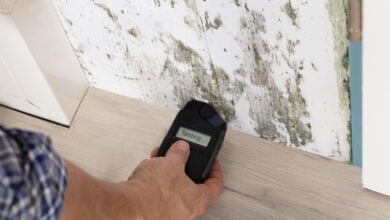
Water damage can cause big problems in your home. Water leaks affect many houses every year, leading to costly repairs. This post shows you easy ways to stop water damage and what to do if it happens.
Keep reading to protect your home from water troubles.
Key Steps to Prevent Home Water Damage
Taking simple actions can keep your home safe from water damage. Regular care and smart tools help spot problems early and protect your home.
Install smart water leak detectors and shutoff systems
Smart water leak detectors catch leaks early. They send alerts to your phone. This stops small leaks from causing major damage. These devices monitor moisture levels and sound alarms when they detect water.
Shutoff systems work with detectors to stop water flow fast. They close valves automatically if a leak happens. This cuts off the water before flooding begins, protecting your home’s foundation and plumbing.
Installing these tools helps with flood prevention and moisture control in your house. Early leak detection saves money and prevents costly repairs.
Replace old hoses with braided stainless steel lines
After setting up water leak detectors and shutoff systems, inspect your hoses. Old rubber hoses can wear out fast. Braided stainless steel lines last longer and resist damage better. They help reduce the risk of leaks that can cause water damage in your home.
Braided lines handle pressure well and do not burst easily. This boosts moisture control by preventing sudden bursts or drips near appliances like washing machines and dishwashers. Using these durable hoses supports plumbing maintenance efforts to keep your property safe from flooding and costly repairs.
Insulate exposed pipes to prevent freezing
Exposed pipes can freeze in cold weather. Frozen pipes may burst, causing water damage and costly repairs. Use foam pipe insulation or heat tape to cover pipes outside or in unheated areas like basements and attics. This helps keep the water flowing and protects your plumbing system.
Insulating pipes improves moisture control by reducing condensation that can lead to mold growth. Proper sealing around insulated pipes also supports waterproofing efforts inside your home.
Regular maintenance of pipe insulation aids long-term foundation protection from water leaks and flooding risks during winter months.
Clean gutters and direct downspouts away from the foundation
Clogged gutters can cause water to overflow near your home’s foundation. This can lead to water damage and mold growth. Clean gutters regularly by removing leaves and debris. Clear downspouts also help move water away from the house.
Direct downspouts at least 3 to 4 feet away from the foundation. Use extenders or splash blocks to guide water farther from your home. Proper drainage protects your foundation and prevents flooding in basements or crawl spaces. Keeping gutters clean supports moisture control and waterproofing for better property preservation.
Conduct regular inspections of appliances and plumbing connections
Check appliances like washing machines, dishwashers, and water heaters often for leaks or worn parts. Look at pipes under sinks and behind toilets for cracks, drips, or loose connections. Catching small leaks early stops water damage before it starts.
Tighten any loose fittings and replace old hoses with braided stainless steel lines to reduce burst risks. Use caulking around pipes where they enter walls or floors to keep moisture out. These steps will help with moisture control and protect your home’s plumbing system.
How to Address Home Water Damage Immediately
Act fast to stop the water and power in the damaged area. Capture clear photos and videos to support your insurance claim.
Shut off the main water supply or power in affected areas
Turn off the main water supply to stop more water from leaking or flooding your home. This step helps control moisture and prevents further damage to walls, floors, and furniture. Locate the shutoff valve near your home’s foundation or where the water line enters.
Cut power in areas with standing water to avoid electrical hazards. Switch off breakers at the circuit box for rooms affected by leaks or floods. This action protects you from shock and reduces risks linked to wet electrical systems during cleanup and repairs.
Document damage with photos and videos for insurance claims
After shutting off the main water supply and power in affected areas, start documenting the damage. Take clear photos and videos of flooded rooms, soaked walls, broken pipes, and damaged furniture. Capture close-ups of leaks and any mold spots caused by moisture.
Insurance companies rely on visual proof to process claims quickly. Save all images with timestamps and notes about each area’s condition. This helps protect your property and speeds up insurance payouts for repairs and waterproofing work.
Remove standing water using pumps or wet/dry vacuums
Standing water should be removed quickly to prevent more damage. Use pumps or wet/dry vacuums for fast water removal. These tools help clear floors, carpets, and basements efficiently.
Removing water stops moisture from soaking into walls and floors. It also lowers the chance of mold growth and helps with property preservation. Quick action supports moisture control and flood prevention efforts in your home. For serious flooding, homeowners often call a team that handles water damage restoration in New York to dry, clean, and repair the affected rooms.
Use dehumidifiers and fans to dry affected areas quickly
After removing standing water with pumps or wet/dry vacuums, start drying the space right away. Dehumidifiers pull moisture from the air to lower dampness levels. Fans move air around to help surfaces dry faster and stop mold growth.
Both tools work well for controlling moisture in walls, floors, and furniture. Using them cuts down on damage and helps keep your home safe from further water problems. Quick drying is a key step in water damage repair solutions and property preservation.
Sanitize damp surfaces to prevent mold growth
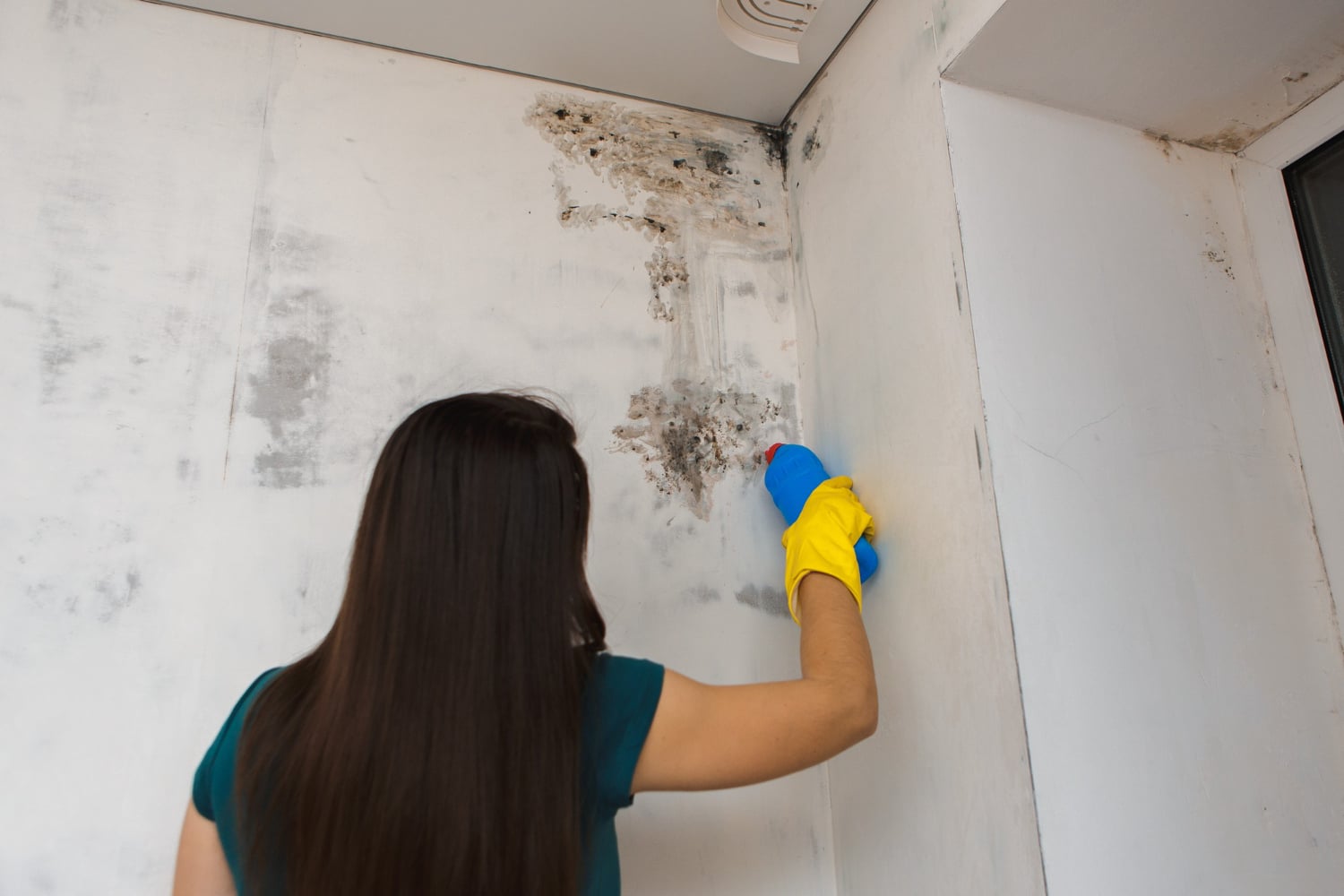
Clean damp surfaces with a mixture of water and household bleach or a commercial disinfectant. This kills mold spores and stops mold from growing. Focus on walls, floors, sinks, and any wet areas after removing standing water.
Dry the area quickly using fans and dehumidifiers to lower moisture levels. Keep humidity below 60 percent to prevent moisture buildup. Proper sanitation helps protect your home from costly mold damage and keeps the indoor air healthy.
Conclusion
Preventing water damage starts with simple steps like checking pipes and fixing leaks fast. Act quickly if you spot water to avoid big problems later. Using tools like leak detectors helps catch issues early.
Keeping your home dry protects it from mold and costly repairs. Staying on top of maintenance saves money and keeps your house safe.