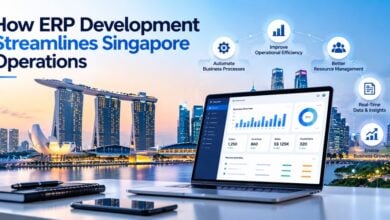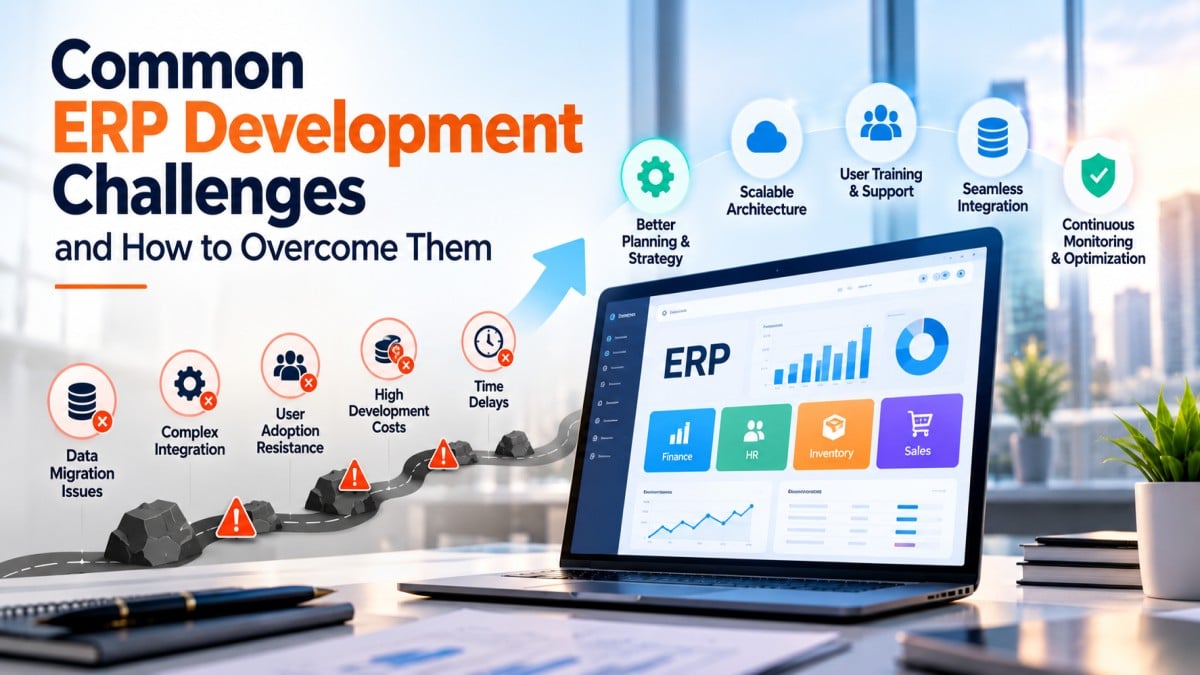
Developing an Enterprise Resource Planning (ERP) system can help businesses connect departments, organize information, and manage daily operations more effectively. However, building a system that works reliably across different business functions requires careful planning, technical expertise, and a clear understanding of operational needs.
Companies investing in ERP software may encounter difficulties with integration, data migration, customization, employee adoption, and project costs. Recognizing these challenges early can help businesses avoid unnecessary delays and achieve better results.
For organizations considering ERP development in Singapore, addressing these issues from the beginning can make the development process more manageable and support long-term business growth.
1. Unclear Business Requirements
One common challenge is starting development without fully understanding what the business needs. Different departments may have conflicting priorities, leading to unnecessary features, complicated workflows, and repeated changes during development.
How to overcome it: Begin by reviewing existing business processes and identifying specific operational problems. Consult employees from finance, sales, inventory, purchasing, and other relevant departments. Document the required features, expected outcomes, and project priorities before development begins.
2. Difficulty Integrating Existing Software
Businesses often use separate applications for accounting, customer management, inventory, payroll, and online sales. Connecting these systems to a new ERP platform can be complicated when their data structures or technical capabilities differ.
How to overcome it: Evaluate existing applications before choosing the ERP architecture. Identify available APIs, integration limitations, and data exchange requirements. Test critical connections early to confirm that information moves accurately between systems.
3. Inaccurate Data Migration
Moving information from spreadsheets, legacy software, and separate databases into a new ERP system can introduce errors. Duplicate customer records, inconsistent product codes, and incomplete transaction histories may affect reporting and daily operations.
How to overcome it: Clean and standardize existing records before transferring them. Remove duplicates, correct inconsistent formats, and validate important financial and inventory data. Conduct trial migrations and compare results before switching to the new system.
4. Managing Customization and Development Costs
Every business has unique processes, but adding too many specialized features can increase development time, testing requirements, and maintenance expenses.
How to overcome it: Separate essential features from optional improvements. Use standard ERP functionality wherever it meets business requirements, and reserve customization for processes that genuinely need it. Establish a realistic budget and a clear procedure for approving additional features.
5. Employee Resistance to New Systems
Even a technically strong ERP solution can struggle if employees find it difficult to use. People accustomed to familiar spreadsheets or established procedures may be reluctant to change their working habits.
How to overcome it: Involve employees throughout the project instead of introducing the system without preparation. Provide practical training, explain how the new workflows will help them, and collect feedback during testing. A phased rollout can also make the transition easier to manage.
6. Data Security and Regulatory Requirements
An ERP system may contain confidential customer details, employee records, financial information, and supplier contracts. Poor access controls or inadequate security practices can expose sensitive business data.
How to overcome it: Build security into the system from the design stage. Apply role-based permissions, appropriate authentication, secure integrations, audit logging, and reliable backup procedures. Businesses operating in Singapore should also assess applicable requirements under the Personal Data Protection Act and any relevant industry regulations.
7. Poor Project Planning and Testing
Unrealistic deadlines and insufficient testing can lead to incomplete features, unexpected errors, and disruption after launch.
How to overcome it: Divide the project into manageable phases with clear milestones. Test important workflows, including order processing, purchasing, stock updates, financial reporting, and user permissions. Assign responsibility for resolving defects and obtain user approval before deployment.
Choosing the Right ERP Development Partner
A suitable development partner should understand business processes as well as software engineering. Evaluate the provider’s technical capabilities, integration experience, project methodology, support arrangements, and ability to accommodate future requirements.
For businesses exploring ERP development in Singapore, selecting a partner who can translate operational challenges into practical software features is an important step toward a successful project.
Conclusion
ERP development challenges can affect budgets, timelines, employee productivity, and system performance. However, clear requirements, reliable data, thoughtful customization, effective training, and thorough testing can reduce these risks.
Investing in ERP development in Singapore should begin with a practical understanding of business goals rather than technology alone. SerpentCS helps businesses explore ERP solutions tailored to their workflows, integration requirements, and operational objectives, creating a stronger foundation for efficient and sustainable growth.