Keeping up with home maintenance can feel like a lot to manage. Studies show regular upkeep can save you money and prevent costly repairs. This guide breaks down the simple tasks you should do each month, season, and year.
Keep reading for tips that make caring for your home easier!
Monthly Home Maintenance Tasks
Taking care of small tasks each month can prevent bigger problems later. Stay consistent to keep your home running smoothly.
Inspect and replace air filters
Clean air filters keep your HVAC system running well. Dirty filters can cause higher energy bills and poor air quality.
-
Check the air filter every month. Look for dust, dirt, or clogs.
-
Replace dirty filters with new ones to improve airflow. Most need changing every 30-90 days.
-
Use the correct filter size for your HVAC system. Check the label before buying one.
-
Close the doors and windows during filter changes to avoid extra dust getting in the system.
-
Set a reminder each month to inspect your filters regularly and prevent missing it.
Test smoke detectors and carbon monoxide detectors
Smoke detectors and carbon monoxide detectors save lives. Test these devices to keep your home safe.
-
Press the test button on each detector. It should emit a loud alarm sound.
-
Replace batteries if the alarm is weak or doesn’t sound.
-
Check the expiration date on each device. Most last 7 to 10 years.
-
Wipe off dust from detectors with a dry cloth to ensure proper function.
-
Install new ones immediately if any unit fails testing or shows damage.
-
Place detectors in key areas like bedrooms, hallways, and near appliances like furnaces or stoves.
-
Test your devices at least once every month for peace of mind and safety assurance.
Check under sinks for leaks and flush drains
Leaks and clogged drains can cause big problems if ignored. Regular checks and cleaning keep plumbing in good shape.
-
Look under all sinks for water puddles or stains. These signs may mean a pipe is leaking.
-
Check around connections and pipes for drips. Tighten loose fittings with a wrench if needed.
-
Run your hands over pipes to feel for moisture. This helps find small leaks quickly.
-
Use a flashlight to inspect hard-to-see corners in the cabinet beneath the sink.
-
Pour hot water down drains once a month. This helps wash away buildup like grease or soap scum.
-
Add baking soda, followed by vinegar, to clear mild clogs naturally. Rinse with warm water after bubbling stops.
-
Avoid pouring oil or coffee grounds into the drain. These clog pipes over time and are hard to remove.
Regular maintenance of your sinks protects against costly repairs later.
Seasonal Home Maintenance Tasks
Prepare your home for changing weather with simple checks and fixes. Keep everything running smoothly by staying on top of these tasks.
Clean gutters and downspouts
Cleaning gutters and downspouts is important for your home. Clogged gutters can cause water damage or pest problems.
-
Use a sturdy ladder to access the gutters safely. Always place it on flat, stable ground.
-
Wear gloves to protect your hands from dirt and sharp debris. This keeps you safe from cuts or bacteria.
-
Remove leaves, sticks, and buildup from the gutter using a small shovel or your hands. Dispose of the waste in a bucket or bag.
-
Rinse the gutters with a garden hose to clear out any remaining dirt. Make sure water flows smoothly through them.
-
Check for leaks or cracks in the gutter while cleaning. Repair damaged areas to prevent future issues.
-
Inspect downspouts for blockages by running water through them. Clear any clogs with a plumber’s snake if needed.
-
Clean gutters at least twice a year, ideally in spring and fall after heavy leaf fall or storms.
Keeping your gutters clean helps protect your home from costly repairs!
Inspect window and door seals for cracks
Properly sealing windows and doors keeps your home energy-efficient. It also helps block drafts and pests.
-
Check every window frame for visible cracks or gaps in the seals. Use a flashlight to spot damage easily.
-
Feel around the edges of doors for cool air or light coming through. This signals a broken seal.
-
Press gently on seals to check if they are loose or brittle. Old seals may crumble under pressure.
-
Replace damaged weatherstripping with new material. Choose foam, rubber, or vinyl strips based on your needs.
-
Apply fresh caulk around window edges that show cracks or peeling. Let it dry fully before testing its hold.
-
Clean dirt and dust off seals regularly to prevent wear and tear over time.
Service HVAC systems before seasonal changes
HVAC maintenance keeps your home comfortable all year. Service systems before seasons change to avoid stress on the unit.
-
Schedule professional service in spring and fall. Technicians check for issues and clean parts.
-
Change HVAC filters regularly. Dirty filters block airflow and reduce efficiency.
-
Clean vents and registers to ensure air flows freely. Use a vacuum or soft cloth for dust removal.
-
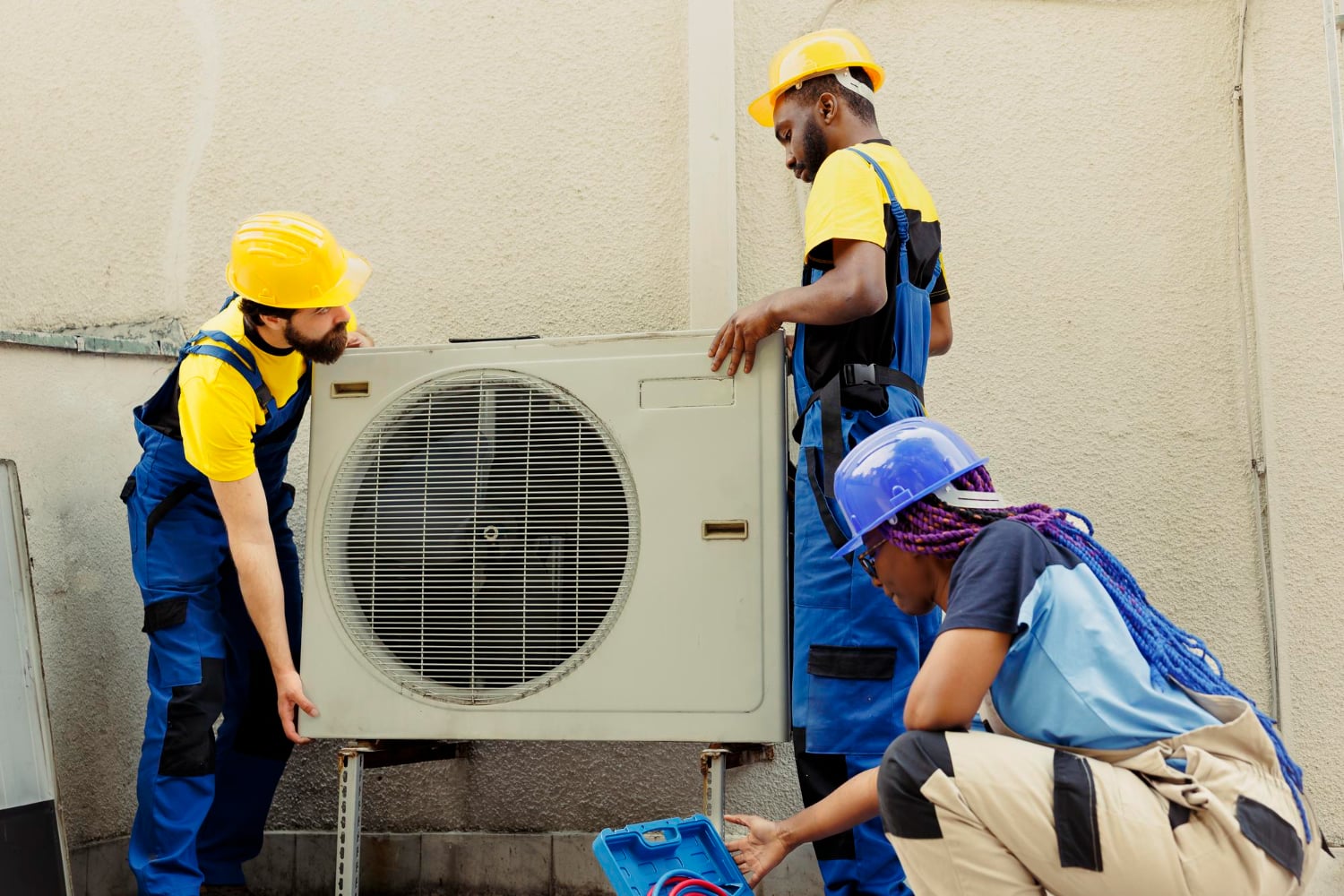
Check outdoor units for debris like leaves or grass clippings. Keep the area around it clear by trimming plants nearby.
-
Test the thermostat to confirm heating and cooling function properly.
-
Inspect ducts for gaps, leaks, or visible damage that impacts energy use.
Take these steps before each season switch for smooth HVAC operation. Next, learn how to keep window seals strong.
Annual Home Maintenance Checklist
Check your home yearly to spot and fix major problems before they get worse.
Flush the water heater
Flushing the water heater is an important yearly task. It helps remove sediment and keeps your system running smoothly.
-
Turn off the water heater’s power or gas supply to avoid accidents.
-
Shut off the cold-water valve connected to the heater.
-
Attach a garden hose to the drain valve at the base of the tank and run it outside or into a bucket.
-
Open a hot water faucet in your home to release pressure inside the tank.
-
Turn on the drain valve and let all the water flow out, removing debris and sediment.
-
Close the drain valve once it’s empty and remove the hose carefully.
-
Open a cold-water valve to refill your tank while keeping a hot faucet open for air release.
-
Turn on the power or gas after refilling is complete, restoring it to normal operation.
Following these steps can extend your heater’s life and improve energy efficiency.
Clean the dryer vent and exhaust
Cleaning the dryer vent and exhaust is an important task. It keeps your home safe and improves dryer efficiency.
-
Unplug the dryer before starting to clean. This prevents electric shocks.
-
Pull the dryer away from the wall for easier access. Make sure there’s enough room to work behind it.
-
Disconnect the vent hose carefully. Check for lint buildup inside it.
-
Use a vacuum or a cleaning brush to clear out any lint from the hose and vent opening. A special dryer vent cleaning kit can help with this job.
-
Clean the exterior vent cover outside your home. Dirt or debris can block airflow and should be removed often.
-
Reconnect everything securely after cleaning is complete, then push the dryer back into place.
-
Run a short drying cycle to ensure proper airflow through the vents.
Inspect the roof and trim tree branches
Taking care of your roof and trimming trees near your home are important for safety. These tasks help prevent damage and keep your property in good shape.
-
Check the roof for broken or missing shingles. Replace them to stop leaks.
-
Look for signs of moss, algae, or debris on the roof. Clean these to avoid long-term damage.
-
Inspect flashing around vents and chimneys for cracks or gaps. Seal any openings to prevent water entry.
-
Trim tree branches hanging over or near the roof. This reduces the risk of falling limbs during storms and keeps pests away.
-
Clear out leaves and sticks from valleys or edges along the roofline. This helps water flow off properly during rainstorms.
-
Use binoculars or a drone if accessing the roof is dangerous for you personally as a DIY project.
Essential DIY Maintenance Skills
Learn basic home repair skills to save time and money. Keep your tools ready for small fixes around the house.
Locate water shut-off valves and circuit breakers
Knowing how to locate your water shut-off valves and circuit breakers is essential. These tools help prevent damage during emergencies and make repairs easier.
-
Find the main water shut-off valve near where the water line enters your home, usually in the basement or utility area.
-
Turn it off by turning the valve clockwise. This stops all water flow instantly.
-
Locate smaller shut-off valves under sinks or behind toilets for specific areas.
-
Look for your home’s electrical circuit breaker panel, often in garages, basements, or storage closets.
-
Open the panel to see labeled switches controlling power to different parts of your home.
-
Flip the switch if the power trips to reset it safely.
Re-caulk windows and doors
Re-caulking windows and doors helps keep your home energy-efficient. It also prevents water damage and air leaks.
-
Remove old caulk using a utility knife or scraper tool. Make sure all debris is cleared for a clean surface.
-
Clean the area with soap and water. Allow it to dry completely before applying new caulk.
-
Choose the right type of caulk depending on your needs, such as silicone for moisture-prone areas. Read the label to ensure it’s suitable for windows or doors.
-
Use a caulking gun to apply a steady bead of caulk along gaps or cracks. Keep the flow going evenly as you move along.
-
Smooth the caulk with your finger or a smoothing tool while it’s still wet. This ensures proper sealing and improves appearance.
-
Let the caulk dry based on the instructions on the packaging, usually within 24 hours. Avoid touching it during curing time.
-
Inspect your work once it’s dry to confirm there are no missed spots or gaps left unsealed.
Regularly check seals every year to maintain their effectiveness over time.
Conclusion
Keeping up with home maintenance can save you time and money. Simple tasks like checking filters or cleaning gutters can make a big difference. Learn key DIY skills to handle small fixes yourself.
Staying on top of these jobs helps keep your home strong and safe year-round. Small efforts now prevent big problems later!