You might have mold growing in your home and not even know it. Mold often hides where you cannot see it, but its smell can be strong and musty. This post will help you spot signs of hidden mold before it causes big problems.
Keep reading to learn what to watch for in your home.
Sensory and Environmental Signs of Hidden Mold
You might notice strange smells or odd spots on walls and ceilings that seem out of place. These clues often hint at hidden mold growing where you can’t see it right away.
Persistent musty or earthy odors
A strong, musty smell often signals hidden mold in your home. The odor comes from mold spores releasing microbial volatile organic compounds (mVOCs). These gases create the earthy or damp scent that sticks around even after cleaning.
Smelling this odor near walls, ceilings, or vents means mold could be growing unseen. Mold thrives where moisture and poor ventilation meet. Poor indoor air quality caused by mold can lead to health risks like allergies and respiratory issues. Detecting these odors early helps catch moisture problems before stains or damage show up on surfaces.
Yellowing, stains, or dark patches on walls or ceilings
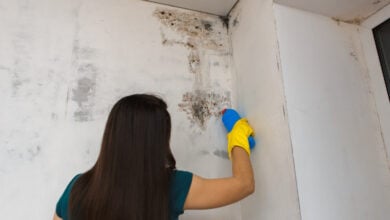
Persistent musty or earthy odors often point to moisture issues that can cause mold growth. Yellowing, stains, or dark patches on walls or ceilings can show visible signs of hidden mold. These spots usually appear near leaks or damp areas in the home.
Mold thrives in wet conditions and can discolor surfaces with yellow, brown, green, or black marks. Walls with poor ventilation and high humidity can develop these stains over time.
Such discoloration is more than just an eyesore; it signals moisture problems that affect indoor air quality. Mold spores spread easily from stained areas into the air you breathe.
This raises health risks like allergies and respiratory problems for those living inside. Detecting these wall stains early helps stop mold growth before it harms your home’s structure or your family’s health.
Bubbling, cracking, or peeling paint or wallpaper
Bubbling, cracking, or peeling paint and wallpaper often indicate moisture problems within the walls. Mold grows where water collects, causing the wall covering to lose grip and lift or crack.
These signs help with mold detection because dampness behind walls creates poor indoor air quality and may lead to health risks.
Check spots that look swollen or crumbly for hidden mold. Water damage can cause this by allowing spores to spread unseen. Fixing leaks and improving ventilation stops more damage and lowers mold growth indoors.
Warped or spongy flooring
Peeling paint or wallpaper often hints at moisture problems below the surface. This moisture can cause your floors to warp or feel spongy underfoot. Mold loves damp wood and carpet padding, which may weaken floorboards over time.
Soft, uneven flooring near walls or bathrooms signals hidden mold growth. Moisture trapped beneath floors promotes mold spores that harm air quality and cause health risks. Checking for warping is a key step in mold detection efforts. Warped flooring underfoot can be a silent sign of serious mold problems lurking below.
Musty air or black specks around vents and registers
Musty air near vents often signals hidden mold growth. Mold spores can gather in ducts and registers, causing black specks to appear around these areas. Poor ventilation and moisture buildup create the perfect conditions for mold to thrive inside walls or air systems.
Air quality suffers as spores are spread through heating and cooling units. Breathing this moldy air may trigger allergies or health risks like coughing and sinus headaches. Check vents carefully if you notice dampness or a persistent odor; these signs suggest moisture problems that need quick attention to prevent mold toxicity.
Health Symptoms Linked to Hidden Mold
Hidden mold can cause health problems that affect your breathing and skin. You might feel tired or have headaches without knowing why.
Respiratory issues like coughing, sneezing, or nasal congestion
Coughing, sneezing, and nasal congestion often signal mold problems inside your home. Mold spores can irritate your respiratory system and cause these symptoms. People with allergies or asthma may feel worse around damp areas or poor ventilation spots where mold grows.
Breathing in mold spores lowers indoor air quality and raises health risks for everyone living in the house. Persistent symptoms that appear indoors but ease when you leave could point to hidden mold behind walls or under floors. Checking for moisture problems helps spot trouble before it gets worse.
Itchy or watery eyes, or skin irritation
Itchy or watery eyes and skin irritation often occur due to hidden mold in the home. Mold spores float in the air and irritate sensitive skin and eyes. These symptoms increase if your indoor air quality is poor or moisture levels are high.
People with allergies may feel worse around damp walls or stains caused by mold growth. Constant exposure can cause redness, dryness, or rash on the skin. It helps to check areas near vents or places with water damage for mold to protect against health risks linked to spores.
Chronic fatigue or brain fog
Chronic fatigue and brain fog often show up in homes with hidden mold. Mold spores release toxins that can enter your body through the air. These toxins may cause tiredness that does not go away, even after rest. Your mind might feel foggy or slow, making it hard to focus or remember things.
Indoor air quality worsens when mold grows behind walls or under floors. Breathing in this poor air can affect your energy levels and thinking skills. If you notice constant exhaustion or mental confusion indoors, check for moisture and dampness problems in your home. Mold detection could help reduce the health risks linked to these symptoms.
Worsening asthma or sinus headaches indoors
Chronic fatigue or brain fog can often be linked to air quality issues. These problems may also cause worsening asthma or sinus headaches indoors. Mold spores irritate the lungs and nasal passages. This leads to more coughing, wheezing, or congestion.
People with asthma can find their symptoms become worse inside homes with hidden mold. Sinus headaches occur as the body reacts to allergens in the damp air. Poor ventilation traps these spores and makes breathing even harder. Managing moisture levels and improving indoor air quality can help reduce these health risks linked to mold exposure.
Steps to Confirm Hidden Mold
Check for water damage and moisture levels, and consider professional mold testing to be sure. If you notice persistent odors, unexplained stains, or other warning signs, a professional mold inspection and testing can help determine whether hidden mold is present and identify areas that need attention.
Inspect for past water damage or high indoor humidity
Look for signs of past water damage like stains, discoloration, or warped surfaces on walls and ceilings. These spots often show areas where moisture stayed too long, creating a perfect place for mold to grow.
High indoor humidity above 60% also raises the risk of hidden mold. Use a hygrometer to measure moisture levels in your home.
Basements, bathrooms, and kitchens are common spots for dampness due to poor ventilation or leaks. Mold spores thrive in these moist environments and can affect indoor air quality. Fix plumbing leaks fast and improve airflow with fans or vents to reduce humidity and stop mold growth early.
Use professional moisture meters, thermal imaging, or air sampling
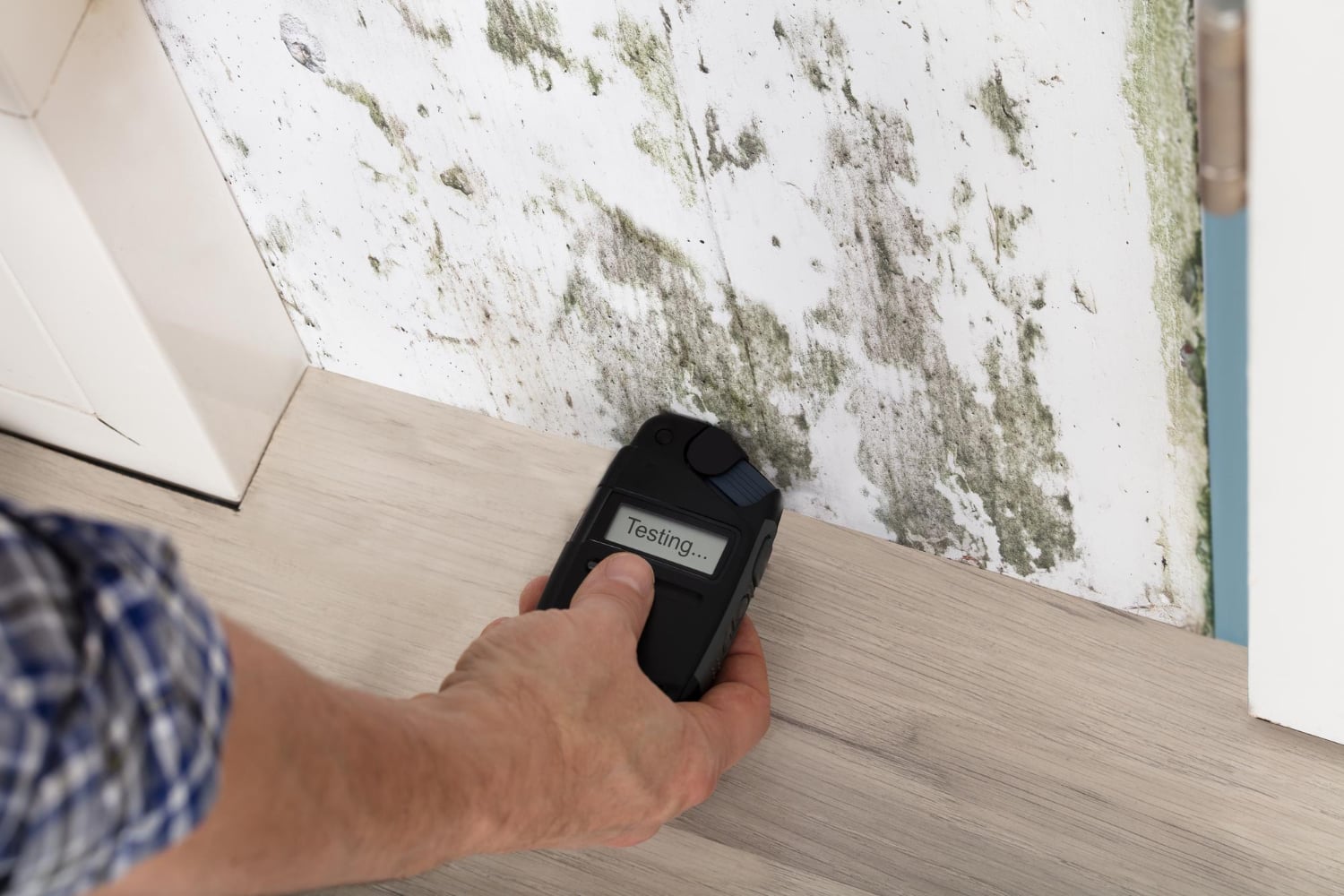
Professional moisture meters help find wet spots behind walls or under floors. These tools measure dampness that can feed hidden mold. Thermal imaging cameras show cold, damp areas by detecting temperature changes in your home.
Air sampling tests the air for mold spores you cannot see. These methods reveal hidden moisture problems and mold growth before they become big health risks. Using these tools improves detection of water damage and poor ventilation issues that worsen indoor air quality. Professional mold inspection and testing combine these tools with lab analysis, so you know which mold types are present and where the moisture is coming from.
Conclusion
Hidden mold can harm your home’s air and your health. Watch for strange smells, stains, or peeling paint. Feeling tired or having breathing problems could be signs too. Check for damp spots and high humidity to find hidden mold.
Acting fast helps keep your home safe and fresh.