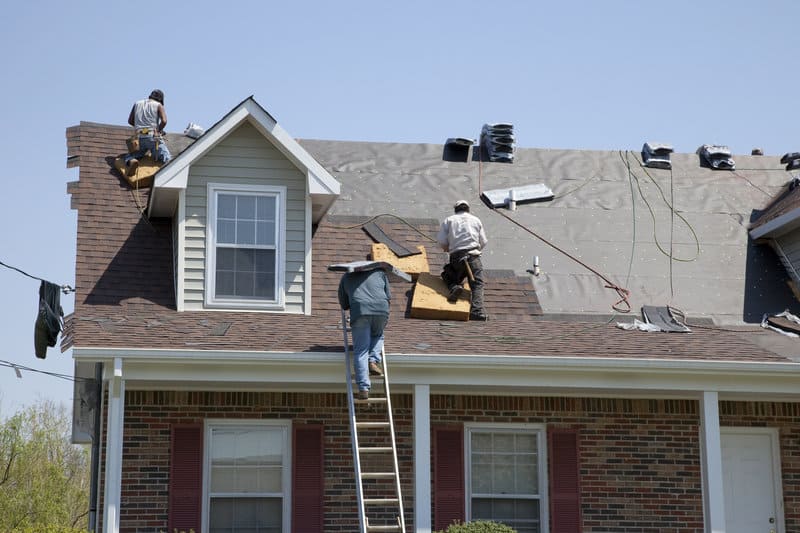
A steep gabled roof hides sloppy flashing. A steep gabled roof forgives the residential roofers Evansville IN homeowners hire in a hurry after a June storm. Mine does neither. The house is a 1958 ranch on the north side, two inches of pitch per foot, thirty-inch overhangs, and one long horizontal line that the entire design leans on. Every shortcut anyone has taken up there in ten years is still readable from the driveway.
So here is the argument, learned the expensive way. A restrained roofline asks more of a crew than a busy one, not less, because there is no ridge, no dormer and no shadow line available to hide a bad edge behind. The parts that decide whether this roof works are the parts nobody photographs. Flashing, drip edge, gutter pitch, the soffit return at the corner.
Low Slopes Forgive Nothing At The Edges
Water on a two-in-twelve roof is in no hurry, and it goes looking for work. On a steep roof, gravity covers for mediocre detailing, since anything that lands is gone in seconds. On mine, a heavy rain crawls toward the eave, backs up half an inch behind a gutter that was hung a quarter inch too high, and finds the lap in the flashing. What I run into most often on mid-century houses out here is a roof that was replaced properly and an edge that was not. The shingles look fine. The fascia behind them is soft.
Storm Seasons Have Gotten Louder Around Here
Poking around NOAA’s county-level severe weather records in July 2026, mostly to settle an argument with a neighbor, I found 5,432 hail events logged nationally for 2025 in a database that reaches back to 1950 and sorts everything by county and event type, with Indiana among the states that turn up often in the severe thunderstorm rows. None of that is news to anyone who has stood in a Tri-State kitchen listening to hail hit the windows. What it explains is why edge details fail here well before the shingle field above them does. Wind gets under a loose drip edge and levers it a little further open every season, and a hail-dented gutter no longer drains toward the corner it was pitched to drain toward.
Flashing Does The Work Trim Gets Credit For
Ten years ago, the standard answer to a weeping seam like mine was a trowel of roof cement smeared across the joint, and in fairness it bought two or three seasons. The current approach on a low-slope reroof differs in kind rather than degree: self-adhered membrane at the eave, a real kick-out where the roof meets the wall so runoff lands in the gutter instead of behind the siding, and counterflashing cut into the wall rather than caulked onto its face. Same house, same slope, a completely different failure timeline.
I got interested in all this because of the gutters, which on a mid-century house are a design decision as much as a drainage one. Half-round against K-style, fascia-mounted against hidden, the whole argument. That is a different article. What matters here is that the residential roofers Evansville IN homeowners keep calling back tend to be the ones treating roofing, siding, gutters and soffit and fascia as one system, because the failures live precisely where those trades meet, and a crew that owns only one of them will always hand the seam to somebody else.
How A Clean Reroof Week Actually Runs
The first day is tear-off, and it is louder and dustier than anyone expects; by mid-afternoon you finally learn what the decking looks like, and that is when change orders show up. Day two is dry-in and edge metal, and it is the day worth being home for, because the drip edge, the ice barrier at the eave and the wall flashing all get set before anything covers them. By the third day the field is going on and the job starts looking like a roof again. Gutters and soffit work follow that, and within 30 days you want a hard rain to test the assembly while the crew is still easy to reach.
Ask to see the edge metal before the gutters go back up. That one request tells you which sort of crew is standing on your house.
Restraint Outside Requires Discipline Underneath
A minimal exterior reads as calm because nothing interrupts the line, which means a lumpy transition damages the design and the building in the same stroke. Ten storm seasons on this roofline taught me to stop weighing bids by shingle brand and start weighing them by how specifically someone talks about the eave. The crews worth hiring get oddly detailed about it, unprompted. That is the tell. Keep the look simple, and put the discipline where nobody will ever see it.