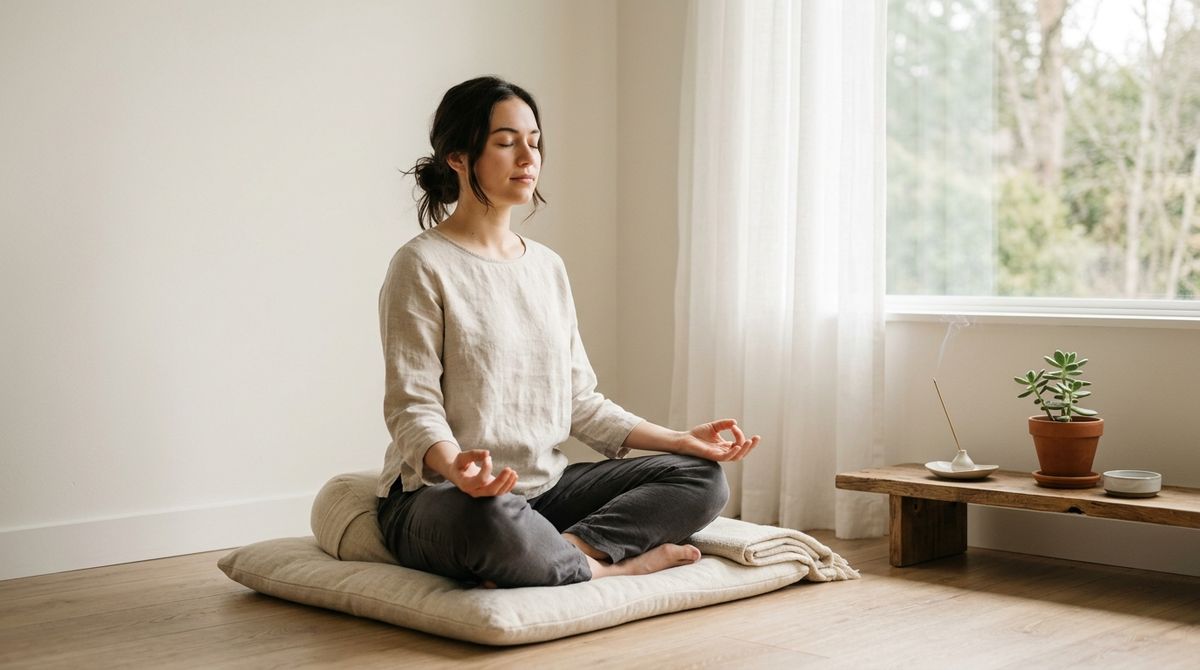
Creating an environment that fosters personal growth while maintaining a minimalist aesthetic requires intention and discipline. For many, the home is a place of relaxation, but it can also be the ideal setting for lifelong learning. The challenge lies in balancing the need for focus and resources with the desire to keep our living spaces uncluttered and tranquil. By curating a dedicated niche for intellectual development, we can simplify our routines and ensure that time spent learning is both effective and enjoyable.
The Philosophy of a Learning Niche
A minimalist approach to learning is not about having fewer resources but about selecting the right ones and keeping them organized. When we commit to learning a new skill or exploring a new field, the physical environment can either support or hinder our progress. A cluttered desk often leads to a cluttered mind, making it harder to concentrate on complex tasks. By focusing on essential tools and removing distractions, we create a clear path for deep work.
The goal is to design a space that serves as a mental cue. When you enter this designated area, your brain should automatically shift into a state of focused attention. This does not require a dedicated room; a small corner or even a specific chair can be sufficient. What matters is the consistency of the environment and the intentionality behind the items you choose to keep in your line of sight. Keep only the items necessary for the task at hand, storing everything else out of view to maintain visual calm.
Finding Your Dedicated Space
When searching for the right spot for your learning niche, look for an area with minimal foot traffic and good natural light. A quiet corner in a bedroom or a small section of a living room can work well. The key is to find a space that can remain relatively undisturbed between study sessions. This eliminates the need to set up and break down your materials every time you want to learn, which is often a major barrier to consistency.
Consider the ergonomics of your chosen spot. Even a minimalist space must be comfortable enough to allow for extended periods of focus. A stable surface at the right height and a chair that supports good posture are important. If your space is small, look for versatile furniture that can serve multiple purposes. A slim desk or even a small side table can be enough if it is paired with a well-designed, comfortable chair. Ensure the lighting is adequate, opting for a task lamp that provides focused illumination without taking up unnecessary space on your surface.
Essential Tools for Focused Study
Minimalism in study tools is about quality over quantity. You do not need a vast collection of stationery or a complex array of hardware to be effective. Focus on the tools that directly contribute to your learning goals and keep them accessible yet tidy.
- A comfortable notebook for capturing thoughts and key concepts.
- A single, reliable pen or pencil that you enjoy using.
- A small, organized tray for essential items to prevent them from spreading across the desk surface.
- A minimalist task lamp to define your workspace and provide clear lighting.
- A digital device with a distraction-free environment, focused only on the learning material you are currently engaging with.
Leveraging Digital Resources
In a modern home, much of our learning happens digitally. This is a great opportunity to apply minimalist principles by curating your digital environment just as you do your physical one. Limit your digital footprint by bookmarking only the most relevant resources and avoiding the accumulation of unnecessary files and applications. There are many platforms designed to help you organize your learning path and discover new interests. For those looking to explore new opportunities or change their career trajectory, exploring options like canisiuscampus.net can provide valuable insights into what is possible when you decide to invest in your own development.
The key to digital minimalism is to view your devices as tools, not as sources of entertainment or endless browsing. Use them for a specific, time-limited purpose and then step away. By being deliberate about the sites you visit and the information you consume, you reduce the noise and ensure that your digital time is as purposeful as your physical study time.
Balancing Learning with Home Life
Integrating a learning routine into a busy home requires effective time management. It is easy to let household responsibilities crowd out your personal development goals. Parents, in particular, may find it challenging to carve out time, but there are many resources available to help you navigate this balance and find effective ways to support both your children and your own educational journey, such as the advice found at Ilearnuk.com, which offers helpful perspectives for parents.
To succeed, you must manage your time as carefully as you manage your physical space. This might mean outsourcing routine tasks to free up hours for your study sessions. For instance, hiring a laundry pickup service for busy households can save significant time each week, allowing you to focus on your studies instead of household chores. By looking for opportunities to delegate or simplify these recurring tasks, you create the breathing room necessary to pursue your intellectual interests without feeling overwhelmed by daily obligations.
Maintaining the Minimalist Environment
The final step in maintaining a minimalist learning space is consistent upkeep. After each study session, take a moment to clear the surface. Return your notebook, pen, and any other tools to their designated storage spot. This simple habit ensures that your space is ready and inviting for your next session. It also helps to prevent the slow accumulation of items that can turn a minimalist space into a cluttered one over time.
Periodically review the items in your learning niche. Are you still using everything you have on your desk? If something is no longer serving its purpose, remove it. Keeping the space functional and light is an ongoing process of assessment and refinement. By staying mindful of what you bring into this area, you maintain a space that encourages focus and supports your long-term goal of continuous learning.