A new fence can sit two inches over a property line, and that small gap can turn a friendly yard project into a long dispute. Many homeowners assume the fence belongs to whoever paid for it, yet ownership depends on records, not on the bill. A few careful checks before the first post goes into the ground can prevent most of these problems.
Begin by collecting the documents that show where your land ends and your neighbor’s land begins. These files are usually held by the local recorder’s office or the county office that tracks parcels, and some are also attached to the original purchase paperwork. Keep copies in a single folder so they are easy to share when a question comes up.
Finding the Survey and Plat Records
A survey is the most useful document for a fence project because it shows the exact corners and the line between them. Look for a survey from the time of purchase, and check whether any later improvements were recorded. A plat map shows how a neighborhood was divided into lots, and it can help you spot streets, easements and setbacks that affect where a fence may go.
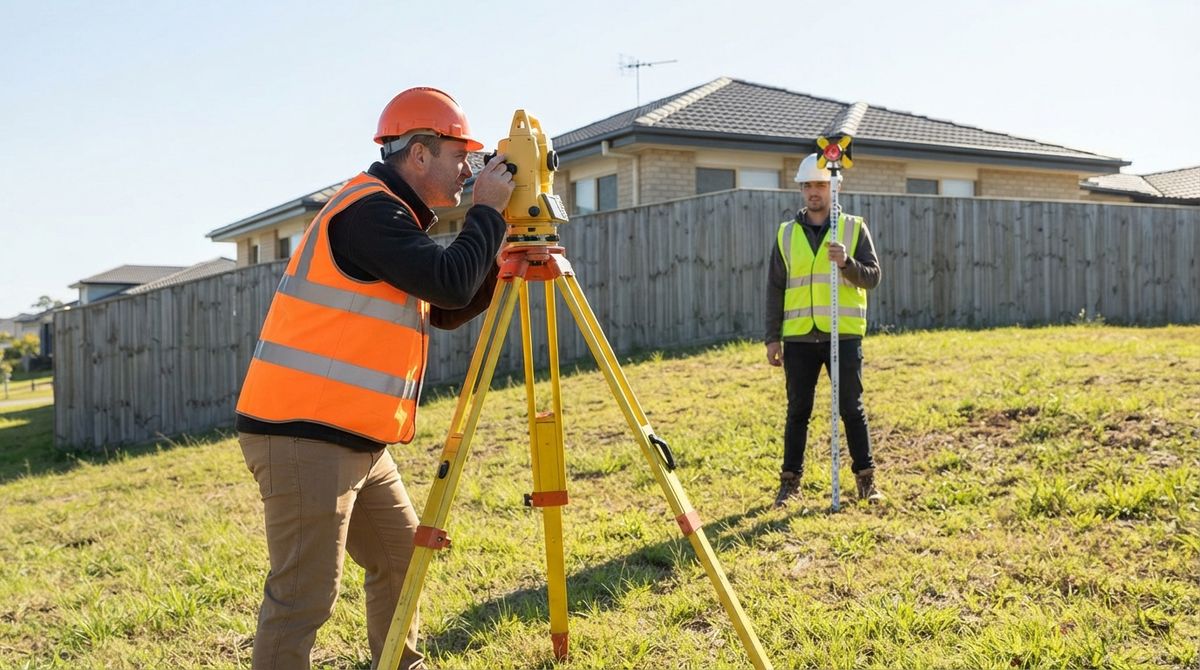
If no survey exists, you can ask a licensed surveyor to mark the boundary on the ground. Many people find that a short written quote from a surveyor is less stressful than an argument over whose stakes are whose. Keep the marked points visible until the fence is finished, and photograph them from two angles so the record stays clear.
Ask the county office whether a recent survey is on file, since some records sit at the recorder’s counter while others live in an online archive. Bring the parcel number from your tax bill so staff can locate the right file quickly. Readers may also want to visit entre-chefs.com.
Reading Easements and Local Setback Notes
Easements allow utilities or neighbors to use part of a lot even when the land is privately owned. A fence built inside an easement may have to be moved when the utility needs access, and the cost can fall on the homeowner. Look for an easement section on the plat or in the title report, and note any widths written beside the lines.
Setbacks are distances required between a structure and a lot line, and they can differ for front, side and rear yards. You can also visit foody-goody.com for more reading. Read the rules before you buy materials, because a fence that breaks a setback can require removal.
Look also for drainage and utility notes, since a fence can block a channel that water relies on during heavy rain. A quick call to the utility company will confirm where buried lines run before any post hole is dug. Keep the confirmation in your folder so the information is available if a question comes up later.
Talking With the Neighbor Before Any Digging
Neighbors often feel more comfortable when they hear about a project early and in writing. Share a simple drawing that shows the line, the height and the gate position, and invite questions before the crew arrives. A calm conversation at the start usually costs less than a complaint halfway through the build. For a related read on this site, see Setting Up a Study Desk for a Teenager.
Agree on who will maintain the finished fence and which side will face the yard. Some neighbors prefer a shared fence with one post line, while others want their own separate panels. Write down the agreement and sign it, even if the arrangement is informal, so both households remember the same details.
When an Attorney Is Worth Calling
If a dispute begins, a licensed attorney in your area can explain how local rules apply to your situation. This section is general information rather than legal advice, and the details vary from one region to another. Ask about fees and timelines before the first meeting so you know what to expect.
Bring the survey, the plat, any easement notes and copies of messages with the neighbor. A short summary of the timeline makes the meeting more productive and usually shortens the list of questions. Early advice often prevents expensive work that has to be undone later.
If the neighbor refuses to discuss the line, a written request sent by certified mail creates a clear record of the attempt. Keep a copy of every letter and note the date each one was sent. That record helps any professional you consult understand what has already happened.
Keeping a Written Record of the Boundary
A clear file protects both households long after the fence is built. Store the survey, the permit, the neighbor agreement and the final photographs together. When you sell the home, hand the folder to the buyer so the boundary history is never a mystery.