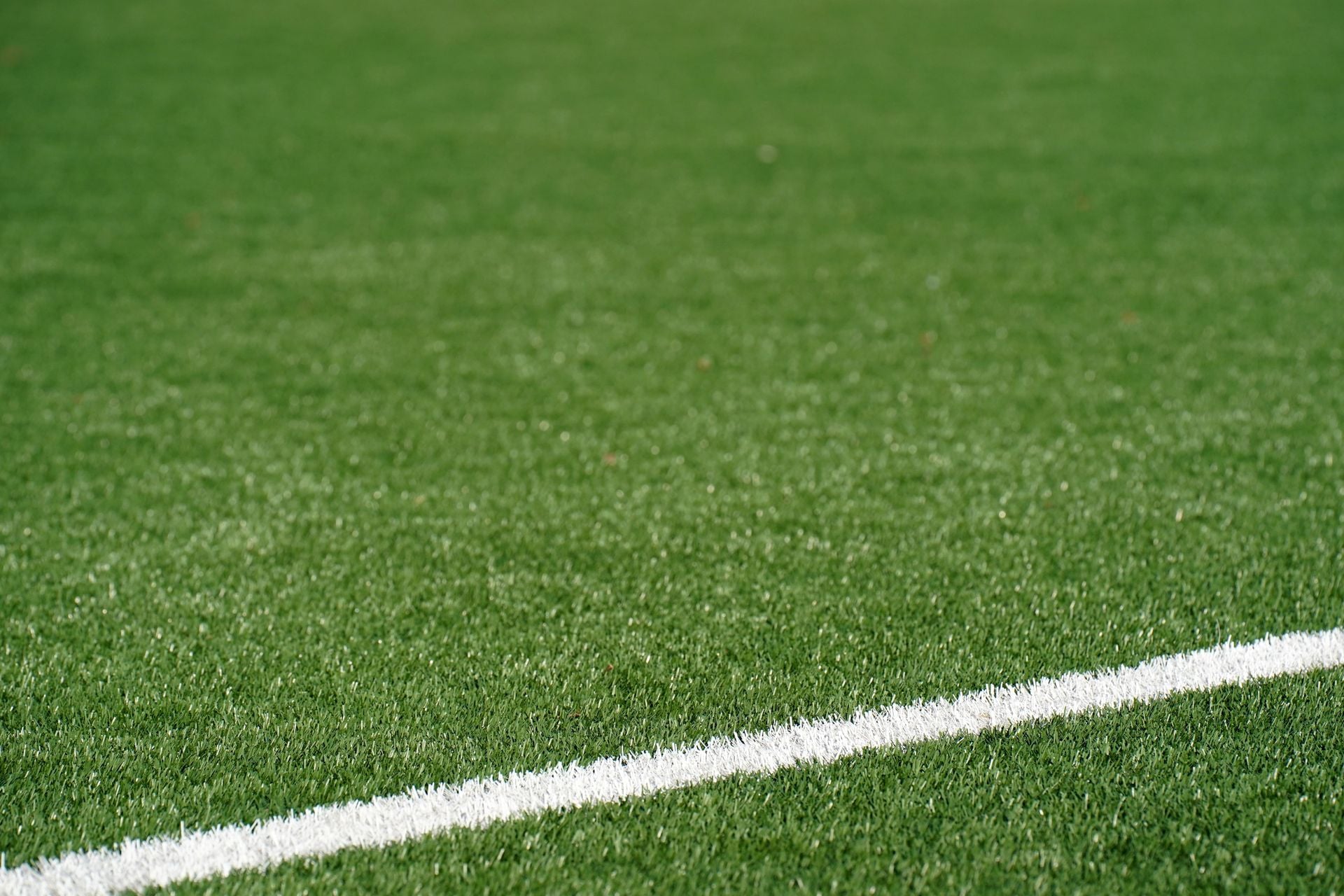
Replacing or redesigning a lawn is a practical decision as much as an aesthetic one. The best choice depends on how your household uses the yard, how much maintenance you want to take on, and the appearance you want throughout the year. For many homeowners, the real question is which surface better fits a specific outdoor space.
Both options can create an inviting yard. Natural grass offers a living landscape that changes with the seasons, while artificial turf provides a consistently green, low-mowing alternative. Comparing the tradeoffs before installation can help you avoid choosing based on looks alone.
Maintenance Responsibilities
Natural grass requires recurring attention. Depending on the grass type and climate, that may include mowing, edging, watering, fertilizing, weed control, aeration, overseeding, and seasonal repair. Some homeowners enjoy this work and value the satisfaction of tending a living lawn. Others would rather spend weekends using the yard than maintaining it.
Artificial turf eliminates mowing and doesn’t need traditional lawn treatments. It still benefits from regular care, however. Leaves, dust, and debris should be removed, and the fibers may need brushing in higher-traffic areas. Pet owners may also need to rinse and clean designated areas to manage odors. Turf isn’t maintenance-free, but its routine is usually more focused on cleaning and appearance than plant health.
Appearance and Feel
A healthy natural lawn has softness, seasonal character, and variation that many homeowners appreciate. It can feel cooler underfoot in warm weather and provides the familiar look of a living landscape. The challenge is that grass may thin, discolor, or become muddy in shaded areas, under heavy play, or during periods of weather stress.
Artificial turf offers a more uniform appearance across the year. It can be especially appealing in small yards, side yards, play areas, or spaces where natural grass repeatedly struggles to establish. Modern turf products come in different blade styles, tones, and pile heights, so homeowners can choose a look that suits the rest of the landscape.
Water Use and Local Conditions
Natural grass needs water to remain healthy, although its needs vary widely by grass variety, soil, weather, shade, and local watering practices. A well-designed natural lawn can be managed more efficiently with appropriate irrigation, sensible mowing habits, and a grass type suited to the area. Even so, maintaining a lush lawn can be difficult where summers are hot, rainfall is limited, or watering restrictions are common.
Artificial turf doesn’t require irrigation for growth, which can make it a practical option for homeowners seeking to reduce routine lawn watering. Occasional rinsing may still be useful for cleaning dust, pollen, spills, or pet areas. Drainage is also important. Proper base preparation and installation help water move through and away from the surface as intended.
Pets, Children, and Everyday Use
Think honestly about how the yard functions. A natural lawn can be a pleasant surface for play, but repeated running, digging, and concentrated pet activity can leave worn paths and bare patches. Wet weather can also create mud that gets tracked indoors.
Artificial turf can provide a durable, tidy surface for active areas. It may be particularly useful where children play often or where pets have a consistent route through the yard. At the same time, homeowners should plan for heat exposure, sanitation, and drainage. A shaded seating area, trees, or nearby plantings can make a yard more comfortable and visually balanced, regardless of the lawn material.
Heat, Shade, and Comfort
Surface temperature deserves careful consideration, particularly in sunny climates. Natural grass generally remains more comfortable than hardscape in warm conditions when it’s healthy and adequately watered. Artificial turf can become warm in direct sunlight, so placement matters. A turf installation may work well in a partly shaded courtyard or a smaller activity zone but feel less comfortable across a large, exposed area.
Shade creates a different challenge for living grass. Dense shade from mature trees, rooflines, or walls can limit grass growth and lead to thin coverage. In those locations, turf, groundcovers, mulch, pavers, or a redesigned planting bed may be more practical than repeatedly trying to restore struggling grass.
A Hybrid Yard May Be the Best Answer
Homeowners don’t have to choose one material for every square foot. A thoughtful mixed landscape can preserve natural grass where it grows well and is most enjoyable, while using turf in high-wear, low-light, or difficult-to-maintain sections. Planting beds, trees, permeable paths, patios, and shaded gathering spaces can also reduce the amount of lawn required without making the yard feel sparse.
Ultimately, natural grass is a strong choice for homeowners who want a living landscape and are prepared for regular care. Artificial turf is often better suited to those who prioritize a consistent look, reduced mowing, and a durable surface in challenging lawn areas. Start with the way you want to use the space, then choose the lawn solution that supports that routine for years to come.