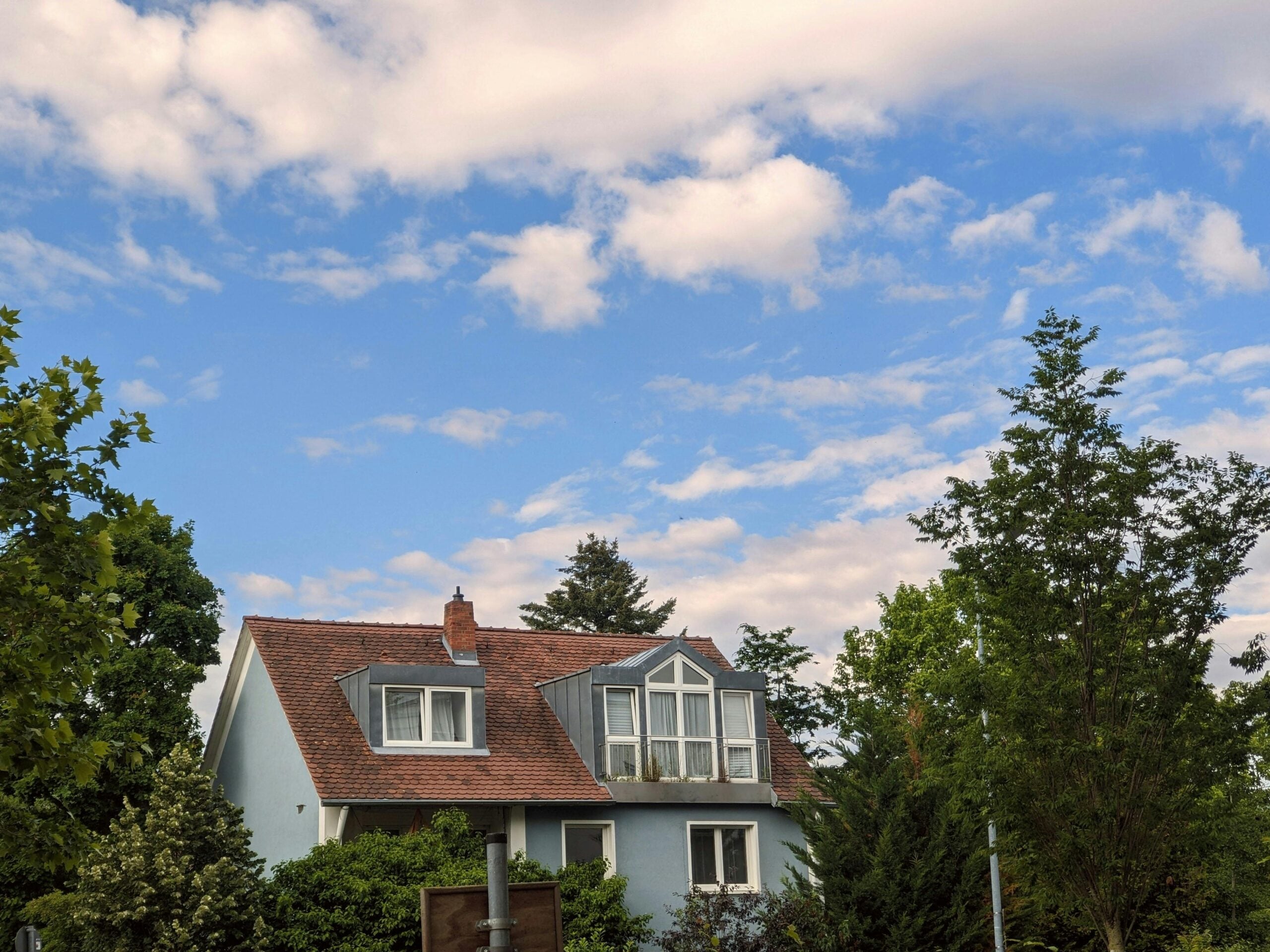
Unexpected leaks, crumbling roofs, or aging electrical systems can turn a comfortable house into a source of stress overnight. When the repair bill equals several months of income, many owners feel cornered between draining savings or delaying work until damage spreads.
Financing offers a third path, one that keeps the home safe without wiping out emergency reserves. This approach shields savings while upgrading the home’s lifespan. By treating a necessary repair like any other planned investment, homeowners can spread the cost over time and reclaim peace of mind.
Protecting Home Value and Safety
Deferred repairs rarely sit idle; they invite rot, mold, and structural weakness that chip away at property value faster than market growth can restore it. Financing allows critical projects such as foundation stabilization, roof replacement, or plumbing overhauls to move forward before small cracks balloon into catastrophic failures.
Because the loan payment is predictable, households can plan around it rather than around unpredictable water intrusion or sudden electrical shorts. Keeping the house structurally sound safeguards not only resale price but also daily comfort, health, and the security of everyone under its roof.
Balancing Cash Flow With Smart Financing Choices
Monthly payments spread over three, five, or even ten years create breathing room in the budget, an advantage that a qualified financial services company can explain in plain terms while comparing options. Instead of wiping out a hard-earned emergency fund in one swoop, owners keep cash on hand for other surprises, such as medical bills or temporary job loss.
Financing can also align the repayment schedule with expected income rises, bonuses, or tax refunds, reducing the feeling of a squeeze. The key is choosing interest rates and terms that complement overall household goals so that the loan supports, rather than strains, long-term stability.
Taking Advantage of Flexible Repayment Structures
Today’s financing landscape offers far more than the traditional home-equity loan. Unsecured personal loans, credit-union rehabilitation programs, and specialized energy-efficiency loans each meet different needs. Some provide zero-interest introductory periods; others allow interest-only payments during the construction phase.
Borrowers who read the fine print can match the repair’s expected lifespan to the loan term, preventing the frustration of still paying for a furnace long after it quits. Flexibility also extends to early repayment: many lenders impose no penalty for paying extra, allowing owners to retire debt faster if windfalls appear.
Speed and Simplicity Matter During Emergencies
Major repairs do not always announce themselves politely. A burst pipe or storm-damaged roof demands action within days, not months. Many financing products now offer same-day approvals and electronic document signing, making funds available before additional damage multiplies costs.
Streamlined processes reduce paperwork, appraisals, and waiting periods that once left homeowners in limbo. Fast access to capital means professionals can start work immediately, preventing higher labor rates, material price hikes, or secondary issues such as mold remediation.
Conclusion
Choosing to finance a substantial repair is a strategic move that protects the home and the household budget. Acting quickly, matching loan terms to needs, and preserving cash turns an urgent problem into a manageable monthly line item.
Ultimately, smart financing keeps rain outside, stress levels low, and long-term goals intact while ensuring the place you live remains the safe, durable shelter it was meant to be. Financing is simply planning ahead, not surrendering to unexpected expense shocks.

Major home repairs can be expensive, and many homeowners may not be prepared for unexpected costs. I appreciate how this post explains the benefits of financing and highlights the importance of planning ahead. Having clear information about available options can help people make more confident financial decisions. https://domyexamforme.us.com/take-my-proctored-exam-for-me/
I really enjoyed reading this post. There’s something special about tomato season, and you captured that feeling beautifully. The photos and descriptions made me appreciate the freshness and flavor of homegrown tomatoes even more. I love how simple ingredients can create such memorable meals and experiences. Posts like this are always inspiring for anyone who enjoys gardening, cooking, or eating locally sourced food. Thank you for sharing your thoughts and wonderful insights. Looking forward to reading more delicious and seasonal content in the future. Great work by Zeeshan Baber.