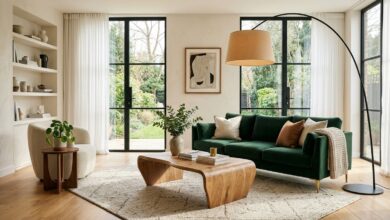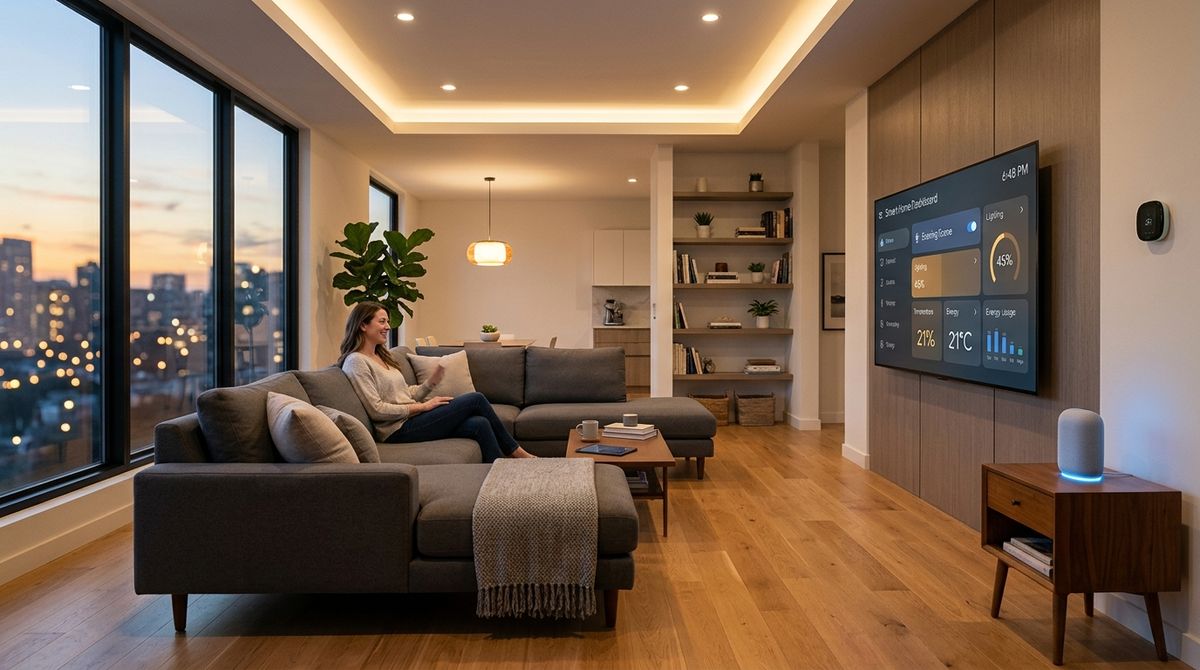
Lighting is often the most overlooked element of home design, yet it holds the singular power to transform how a room feels, how we function within it, and how we interact with our environment. Rather than being merely a utility to dispel darkness, thoughtful lighting acts as a foundational layer that brings depth, texture, and warmth to a space. By consciously curating how light enters and fills your home, you can cultivate an atmosphere that feels intentional and calm.
The goal is to move beyond standard ceiling fixtures and embrace a more nuanced approach. True illumination requires observation, patience, and a willingness to adjust your setup to suit the rhythm of your day. Whether you are working with an abundance of sunlight or trying to make the most of smaller, darker rooms, the principles of lighting remain largely the same: focus on the purpose of the space, the quality of the light, and the emotional response you wish to evoke.
Understanding Your Home’s Natural Light
Before adding a single lamp, spend time observing how natural light interacts with your home throughout the day. Light changes based on the orientation of your windows and the time of day, creating shifting patterns that deserve attention. This natural rhythm is a beautiful, free resource that sets the baseline for your interior atmosphere.
Consider how the sun enters your main living areas. In the morning, you might have soft, gentle light, whereas by afternoon, that same space might be flooded with direct, harsh sunlight. Recognizing these shifts allows you to make informed decisions about window treatments. Sheer curtains can diffuse bright afternoon glare, preserving a soft glow without blocking natural illumination entirely. In rooms used primarily in the evenings, you can afford to rely more heavily on artificial sources, while morning-centric rooms should prioritize accessibility to early sun.
Observing shadows is just as important as watching the light. Deep shadows can shrink a space and create a sense of unease, while soft, balanced shadows add dimension to furniture and architectural details. By understanding where and when light falls, you can place your key furniture pieces in locations that feel naturally inviting, ensuring that the most important areas of your home receive the attention they deserve during your peak hours of use.
Layering Light for Function and Calm
Effective lighting design relies on layering three primary types of illumination: ambient, task, and accent. Relying on a single source of light, such as a solitary overhead fixture, often results in flat, clinical, or overly harsh environments that lack character. To achieve a more sophisticated and comfortable interior, you must combine these layers strategically.
Ambient light acts as the foundation, providing general illumination for safe movement and broad activities. This can be achieved through wall-mounted fixtures, floor lamps, or subtle recessed lighting that casts a soft, diffused glow across the room. Task lighting, conversely, is focused and functional, designed to aid in specific activities like cooking, reading, or working. Good task lighting prevents eye strain and adds a layer of precision to your daily habits.
Accent lighting serves to highlight particular features of your home, such as artwork, a bookshelf, or an architectural detail, drawing the eye and adding depth. By using multiple sources at varying heights and intensities, you create a dynamic environment that can be adjusted to match your mood.
- Ambient light for foundation and movement.
- Task lighting for focus and functionality.
- Accent light to highlight texture and features.
Using dimmer switches is perhaps the most practical tool for achieving this balance. Dimmers offer the flexibility to transition a room from a bright, active workspace to a quiet, serene sanctuary without needing to change any fixtures, allowing you to fine-tune the intensity based on your needs at any given moment.
Sustainable Lighting Practices
As you curate your lighting setup, it is vital to consider the long-term impact of your choices, both on your immediate environment and the broader world. Modern lighting technology has made it easier than ever to enjoy bright, warm illumination while significantly reducing energy consumption. Switching to energy-efficient bulbs is the most straightforward step toward a more sustainable lifestyle.
The quality of light emitted by modern efficient options has improved drastically, offering warm, inviting tones that mimic traditional incandescent bulbs. Beyond changing bulbs, consider how you use light in your home. Are you relying on artificial sources when natural light would suffice? Developing the habit of turning off lights when leaving a room, or using smart sensors, can dramatically reduce unnecessary energy use over time. For those looking to adopt more energy-efficient practices in their living spaces, Greenrenters.org offers guidance on making homes more eco-friendly and sustainable without compromising comfort.
Sustainable design also means choosing fixtures that are built to last. Instead of opting for trends that may lose their appeal quickly, prioritize well-crafted pieces made from durable materials. Investing in timeless designs ensures that your lighting choices remain relevant, reducing the need for replacements and minimizing waste in the long run.
Adapting Spaces for Better Living
Your home should evolve with your needs, and lighting plays a key role in adapting spaces for different phases of daily life. A dining area might serve as a homework station, a creative studio, or a space for shared meals. Each of these functions benefits from a different approach to illumination, requiring a level of adaptability in your design.
If you find that certain rooms feel neglected or underutilized, the culprit is often poor lighting. A dark, uninviting corner can be instantly transformed into a functional reading nook with the addition of a well-placed floor lamp and a comfortable chair. The goal is to maximize the utility of every square inch, ensuring that no space feels wasted or inaccessible. If you are focusing on home improvement projects designed to enhance functionality, thehomezoo.net provides helpful information on making your living environment more practical for daily use.
Consider the placement of your furniture in relation to your lighting sources. Often, rearranging items to take advantage of existing light allows you to create new, functional zones without needing to add extra equipment. Small adjustments to how you light your home can foster better habits and make your living environment feel more spacious, welcoming, and fundamentally more livable.
Integrating Minimalism and Illumination
Minimalism is not about removing everything, but about retaining what is essential and ensuring that each element serves a clear purpose. In the context of lighting, this means choosing fixtures that are visually unobtrusive, focusing on the quality of light they provide rather than the complexity of the design. A beautiful lamp should enhance the space, not dominate it.
A minimalist approach encourages us to reduce visual clutter, including unnecessary wires and overly complicated fixtures. Opt for clean lines and neutral finishes that harmonize with your home’s existing palette. This restraint allows the light itself to take center stage, creating a calm, uncluttered backdrop that supports a peaceful lifestyle. Finding this equilibrium is central to thoughtful design, as discussed in the balance between utility and aesthetic appeal, which highlights how minimalist choices contribute to a more harmonious home.
Embracing a minimalist perspective on lighting encourages intentionality. Before adding a new fixture, ask yourself what purpose it serves and whether it truly adds value to your environment. By curating your space with care and precision, you can cultivate an interior that feels light, airy, and deeply connected to your needs, providing the calm, focused setting required to live well.
Lighting is an evolving journey rather than a destination. As you spend time in your home, continue to pay attention to what works and what feels restrictive. The most successful lighting setups are those that allow us to live comfortably and authentically, supporting our daily rituals while enhancing the beauty of our surroundings. Through small, intentional changes, you can transform your home into a space that is as vibrant and functional as it is tranquil.