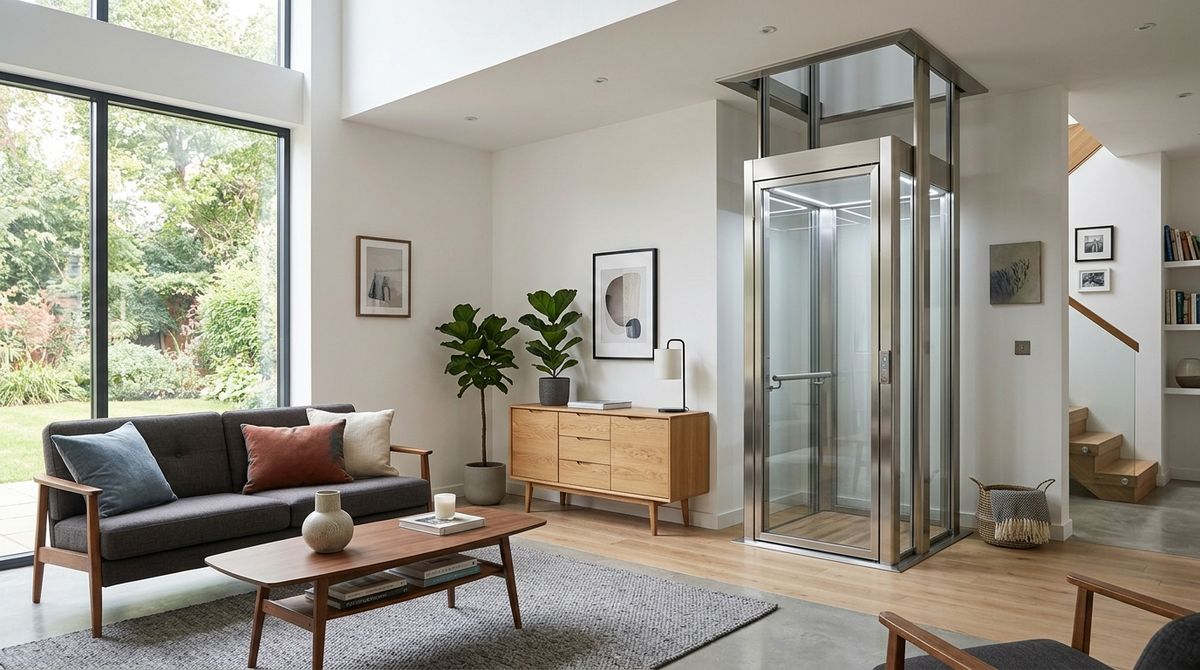
Creating a living space that feels both serene and functional is a core goal for anyone interested in minimalist design. Often, the focus shifts primarily to the visual aesthetic, emphasizing clean lines, neutral color palettes, and the reduction of clutter. While these elements are crucial, true comfort in a home also relies on the intangible aspects of our environment, particularly the quality of the air we breathe and the way our interior choices influence that quality. By thoughtfully balancing design aesthetics with practical air management, you can craft a home that feels lighter, clearer, and more rejuvenating.
The Philosophy of Air and Minimalism
Minimalism is fundamentally about removing the unnecessary to make space for what truly matters. In a design sense, this means focusing on furniture and decor that serve a purpose or bring genuine joy. When we strip away excess, we naturally improve the physical flow of a room. However, this philosophy extends beyond just visual clarity. A room that is not overly packed with belongings allows for better natural airflow and reduces the surfaces where dust and other particles can settle. When you prioritize open space, you are not just designing for the eyes; you are designing for how you move through and exist within that space.
Consider the impact of furniture density on your home’s atmosphere. Large, heavy pieces that block pathways or hug every corner can stifle the movement of air, creating stagnant pockets in rooms. Instead, selecting pieces that allow for airflow—such as those with elevated legs or open shelving—can make a significant difference. The goal is to create an environment where air can circulate freely, ensuring that the room feels fresh and unburdened by the physical weight of too much furniture.
Simplifying Surfaces to Improve Flow
A major tenet of a minimalist lifestyle is keeping surfaces clear. This is a practical habit, but it also directly influences air quality. When surfaces are cluttered, they become collectors of dust, pet dander, and other airborne particles. Every object on a table or shelf is an item that requires cleaning. By keeping surfaces minimal, you make the task of cleaning much easier and more efficient, reducing the accumulation of particles that eventually become airborne.
Begin by assessing the surfaces in your main living areas. Are they cluttered with items that are rarely used? The first step is to clear away anything that does not belong on a daily basis. Store items behind closed doors or in containers to keep them protected from dust. When you focus on keeping your surfaces clear, you create a more hygienic environment with minimal effort. This habit is essential for maintaining the clarity that defines a truly minimalist lifestyle.
Selecting Materials That Support Wellness
Beyond decluttering, the materials you choose to bring into your home play a significant role in your indoor environment. Many manufactured materials can off-gas, and dense textiles can harbor allergens. Choosing natural, breathable fabrics for your upholstery, curtains, and rugs can help keep your living space feeling fresh. When you look at your home from a design perspective, consider how each material interacts with the air in your room. If you are looking for advice on selecting sustainable and functional pieces for your home renovation or decor projects, you might look toward DecoratorAdvice for practical ideas on renovation and furniture selection.
Focus on materials that are easy to clean and do not trap dust. Smooth surfaces, such as hardwood, tile, or stone, are generally easier to manage than thick carpets or heavy, textured fabrics. If you prefer rugs, opt for flat-weave varieties that are easier to vacuum and keep clean. In the bedroom, choosing high-quality, natural bedding that can be laundered regularly is key. These material choices form the foundation of a home that supports both your design vision and your wellness.
Managing Air Quality Proactively
Managing the air in your home is just as critical as managing its furniture and decor. Even in the most beautifully designed minimalist home, air can become stale. Developing a routine to manage air quality is a practical step toward comfort. This involves allowing fresh air to enter your home regularly and using effective methods to keep indoor air clean. For those seeking resources to resolve specific problems within their home environment, air-safecleaner.com offers helpful guidance on improving your living space.
Make it a habit to open windows whenever the weather permits to flush out stale air. If you live in an area where outdoor air quality is a concern, consider how you can effectively filter indoor air without compromising your home’s aesthetic. Small, unobtrusive tools or simple practices, such as ensuring good ventilation in high-moisture areas like kitchens and bathrooms, can prevent issues before they begin. Managing air quality is an ongoing, subtle effort that drastically improves how a home feels to inhabit.
Establishing Sustainable Home Habits
Maintenance is the bridge between a beautifully designed space and one that remains comfortable over time. It is easy to start with a minimalist vision, but the challenge lies in sustaining it. A minimalist home requires a gentle, consistent rhythm of care. This goes beyond simple cleaning; it involves being mindful of what enters your home and how you interact with your space daily. This is truly a way of cultivating intentionality in your home environment that ensures your living space remains a sanctuary of calm. When you bring this level of awareness to your daily routines, keeping your home both beautiful and breathable becomes a natural part of your life.
Create a simple, realistic maintenance plan that fits your daily rhythm. This might include quick, daily tasks like wiping down surfaces or ensuring the airflow paths are not obstructed, as well as a more thorough weekly session. The key is consistency over intensity. By keeping your home maintained in this way, you avoid the need for large, overwhelming cleaning sessions that can feel counterproductive to the minimalist goal of peace and simplicity.
Refining Your Personal Living Space
The journey toward a breathable, minimalist home is deeply personal. It is not about adhering to a strict set of rules, but about finding what works for your specific home and lifestyle. As you continue to refine your space, focus on the harmony between your design choices and your physical comfort. A home that feels good is a combination of visual simplicity and environmental health. When you achieve this balance, your home becomes a true reflection of your desire for a quiet, focused life, providing a foundation for calm and clarity every single day.