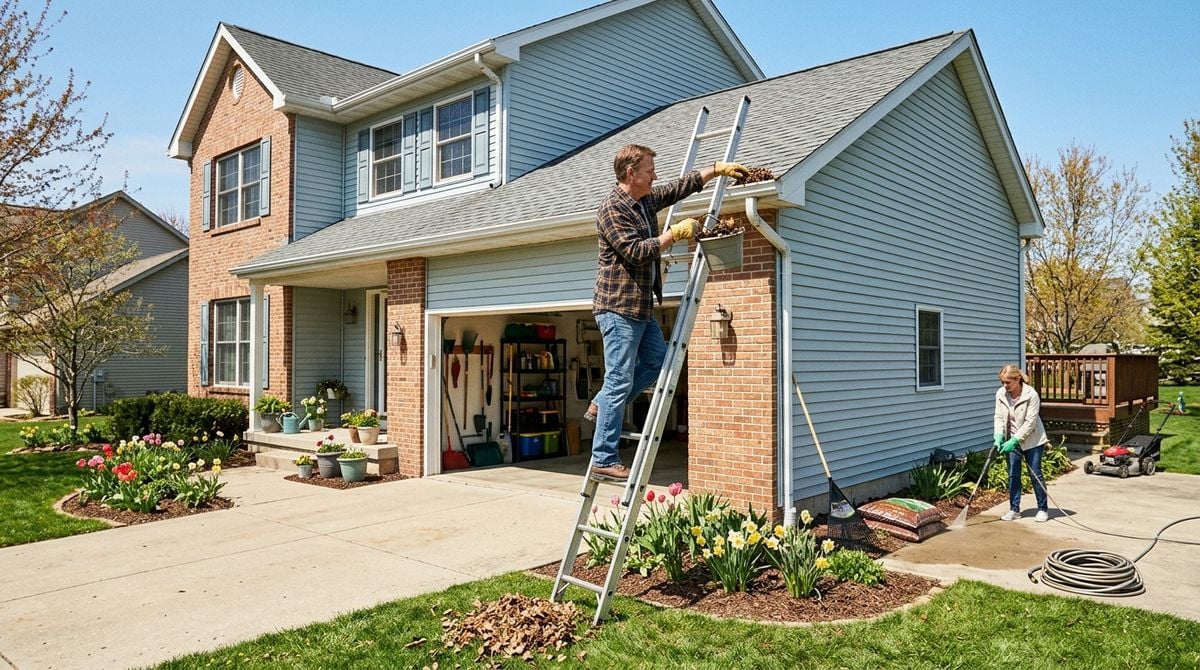
Maintaining a peaceful, safe home across all four seasons involves more than decorating and weekend yard work. It also means respecting municipal rules, neighbor boundaries, contractor agreements, and property insurance obligations. Many homeowners and renters overlook routine exterior tasks until a branch damages a shared fence or a snow-covered sidewalk triggers a city notice. Weaving basic checkups into each season protects household harmony over the long run.
Proactive care does not require complicated legal terms. It means inspecting property lines, reading service contracts carefully before signing, keeping dated photos of routine upkeep, and talking openly with neighbors. Small habits like these create a clear record that makes future disagreements easier to resolve. A season-by-season plan keeps each task manageable.
Spring Boundary Walks, Permits, and Contractor Agreements
Melting snow and early storms quickly reveal winter damage along fences, retaining walls, driveways, and overhanging limbs. Walking the property line in early spring helps you spot leaning posts or weakened branches before wind sends debris onto a neighbor’s roof or parked car. Starting friendly conversations with adjacent neighbors about shared repairs prevents misunderstandings before summer projects begin. Clear communication is usually the cheapest fix.
Sketching the property line on a simple map helps everyone agree on where boundaries sit. Note the dates and measurements beside the sketch so the information is easy to find later. Store a copy with your property papers rather than relying on memory. A clear record often settles a disagreement faster than any argument.
Readers may also want to visit lunaticconstruction.com. Insisting on written contracts that specify work scope, material standards, payment schedules, and site cleanup protects both sides from mid-project disputes. Ask for proof of insurance before any work begins. Written terms make expectations visible to everyone.
Summer Pool Safety, Noise Courtesy, and House-Sitter Notes
Long summer evenings bring backyard cookouts, fire-pit gatherings, and pool afternoons, each governed by local safety standards and quiet hours. Checking self-closing gate latches around pools and hot tubs, storing yard chemicals out of reach, and keeping fire pits well clear of dry fencing covers basic premises safety. Telling next-door neighbors ahead of time about an evening gathering fosters goodwill. A short heads-up often prevents a noise complaint.
You can also visit idreamhomez.com for more reading. Leave clear notes showing the main water valve and breaker box so a trusted friend can act quickly if a leak appears. Summer is also a good time to update a room-by-room digital inventory with fresh photos and receipts stored in encrypted cloud folders. Organized records speed up any insurance claim.
Autumn Leaf Ordinances, Gutters, and Insurance Checkups
Crisp autumn days bring falling leaves that clog gutters, block storm drains, and create slippery walkways if left on sidewalks. Many municipalities prohibit blowing yard leaves into public streets where debris can clog storm sewers. Bagging leaves or composting them in the backyard is a simple way to stay compliant. Scheduling a gutter clean before the heaviest drop helps too.
For a related read on this site, see Household Budgeting Fundamentals for Busy Families. Review your coverage limits before winter storms arrive so you know exactly what is protected. Small checks in autumn prevent expensive surprises later. Keeping a short written list makes the task easy to repeat.
Winter Sidewalk Clearing and Freeze Prevention
Winter brings clear municipal expectations for clearing snow and ice from public sidewalks bordering residential properties. Local time windows often apply, so checking the rules before the first storm avoids penalties. Keeping ice melt, sturdy shovels, and sand stocked makes timely clearing safer for carriers and pedestrians. Preparation turns a stressful morning into a routine task.
Maintaining safe indoor heat during winter trips prevents frozen pipe bursts and shows reasonable care under standard property insurance terms. Set the thermostat to a steady minimum temperature and ask a neighbor to check the property if you will be away. Shutting off outdoor spigots also protects plumbing. These steps cost little compared with a flood repair.
Checking the basement or crawl space for dampness after heavy rain is another quick step. Early moisture signs often appear near pipes and foundation corners. A dated photo of any stain creates a helpful record for future reference. Small observations can prevent costly surprises.
Stewarding Your Home With Calm Confidence Year-Round
Treating home maintenance and everyday legal readiness as four light seasonal routines prevents emergencies and preserves warm neighborhood relationships. Each quarter needs only a few focused tasks. A little attention at the right time keeps your property safe and your neighbors content. Calm, steady habits do the most good.