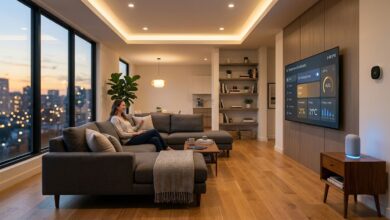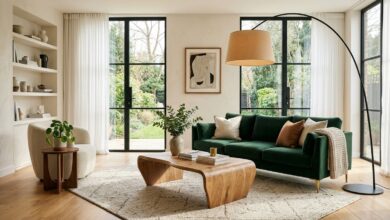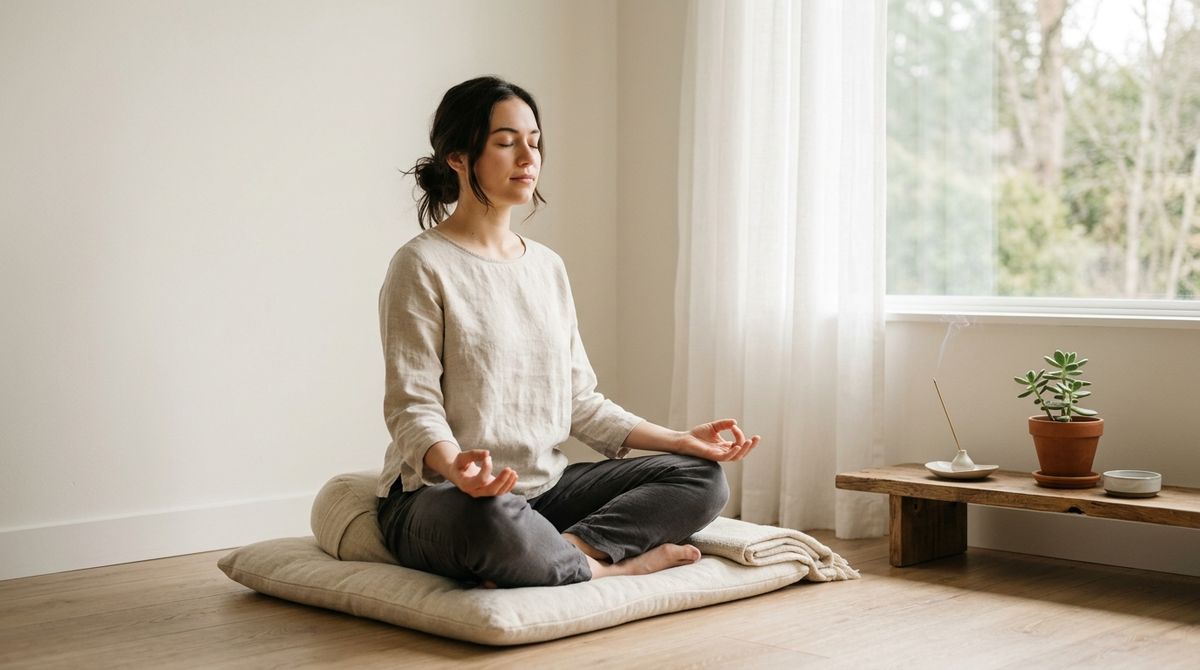
Minimalism is often misunderstood as a simple reduction of belongings, a focus on empty spaces, or a rigid adherence to stark, colorless environments. However, true minimalism is far more intentional. It is about creating a living space that supports your lifestyle, fosters mental clarity, and provides a sense of sanctuary from the chaotic world outside. When we approach our home design with a philosophy of intentionality, we are not just curating objects; we are crafting an environment that is both beautiful and prepared for the unexpected.
Creating a home that is both aesthetically pleasing and functionally resilient is a balancing act. It requires thoughtful planning to ensure that the tools and resources you need to maintain a comfortable life are readily available without cluttering your carefully curated spaces. By integrating functionality directly into the design of your home, you can ensure that your daily routine remains undisturbed by external disruptions.
Designing with Functionality in Mind
The first step in merging resilience with minimalism is to prioritize functional design. Every item in your home should serve a purpose, and every space should be optimized for both daily use and emergency preparedness. This does not mean filling your home with industrial-looking equipment. Instead, it means seeking out tools that blend seamlessly with your interior design or finding clever ways to store necessary items in an accessible but discreet manner.
Consider the layout of your home as a reflection of your priorities. A minimalist approach allows for greater flexibility. By keeping surfaces clear and storage organized, you create the space required to store essential items without making them the focal point of your decor. The key is to find storage solutions that look like intentional design choices rather than afterthoughts. For example, open shelving can be organized with aesthetic baskets or containers that hold essential supplies, keeping them out of sight while ensuring they are always within reach.
Integrating Reliable Power Solutions
A resilient home is one that can maintain basic levels of comfort even when external services, such as the power grid, are compromised. Power outages are a common reality, and they can quickly disrupt the calm, intentional environment you have worked so hard to create. Instead of relying on noisy, cumbersome equipment that creates more stress, look for options that integrate into your home’s setup more effectively.
Finding the right tools for emergency power requires careful consideration of your household’s specific needs. A reliable system helps you keep the essentials running, maintaining the quiet, comfortable environment that is the hallmark of a well-designed home. If you are looking for guidance on finding reliable equipment, you might explore the various reviews and buying guides available at bestdualfuelgenerator.com to understand what options might fit your home, office, and outdoor uses without sacrificing functionality.
Cultivating Calm and Purposeful Design
Beyond the practical aspects of resilience, the aesthetic of your home plays a crucial role in your well-being. Minimalism provides a backdrop that allows you to focus on what truly matters, reducing visual noise and fostering a sense of peace. When designing your dream home, it is essential to consider how every element—from furniture to wall colors—contributes to the overall feeling of calm and purpose.
The process of building your ideal home is a deeply personal one. It involves making choices that align with your lifestyle and ensuring that your space serves your needs in both the present and the future. If you are interested in refining your approach to your home environment and understanding the steps involved in creating your vision, resources like allhomedecors.com offer valuable insights on building and enhancing your living space to make it truly yours.
Enhancing Spaces Through Thoughtful Illumination
Lighting is one of the most powerful tools in your design arsenal. It has the ability to transform a room from a functional space into a relaxing sanctuary. Proper lighting design not only highlights the best features of your home but also ensures that your space remains comfortable and usable regardless of the time of day or the season. It is vital to consider how light interacts with your surfaces and how it can be adjusted to suit different activities and moods.
For a deeper understanding of how to use light to its full potential, it is helpful to look at how different layers of light—ambient, task, and accent—can work together. We have previously discussed the importance of designing with light to improve your atmosphere and how it can profoundly elevate the feel of any room in your home. By mastering these principles, you can create a space that feels bright and welcoming during the day and warm and cozy during the evening, adding another layer of resilience to your home’s comfort.
The Ongoing Process of Home Preparation
Maintaining a resilient and minimalist home is not a single project but an ongoing process. It requires regular assessment of your needs, the condition of your home, and the effectiveness of your systems. By staying proactive, you can ensure that your home remains a sanctuary that is prepared for whatever life brings. Staying organized allows you to enjoy your space without feeling overwhelmed by maintenance or the need for constant adjustments.
To help maintain this balance, consider these practical steps:
- Regularly audit your storage areas to ensure that essential tools remain accessible and well-maintained.
- Evaluate your home’s layout seasonally to see if adjustments can improve flow or efficiency.
- Stay informed about the tools and technologies that could enhance your home’s resilience without disrupting your aesthetic.
- Prioritize maintenance tasks that ensure your home’s systems remain reliable and functional over time.
Ultimately, the goal is to create a home that feels both complete and adaptable. By embracing the principles of minimalism—intentionality, utility, and aesthetic appeal—you can build a sanctuary that supports your lifestyle and provides comfort, no matter the circumstances. Your home should be a reflection of your values, a place where you can feel both grounded and prepared for the future.