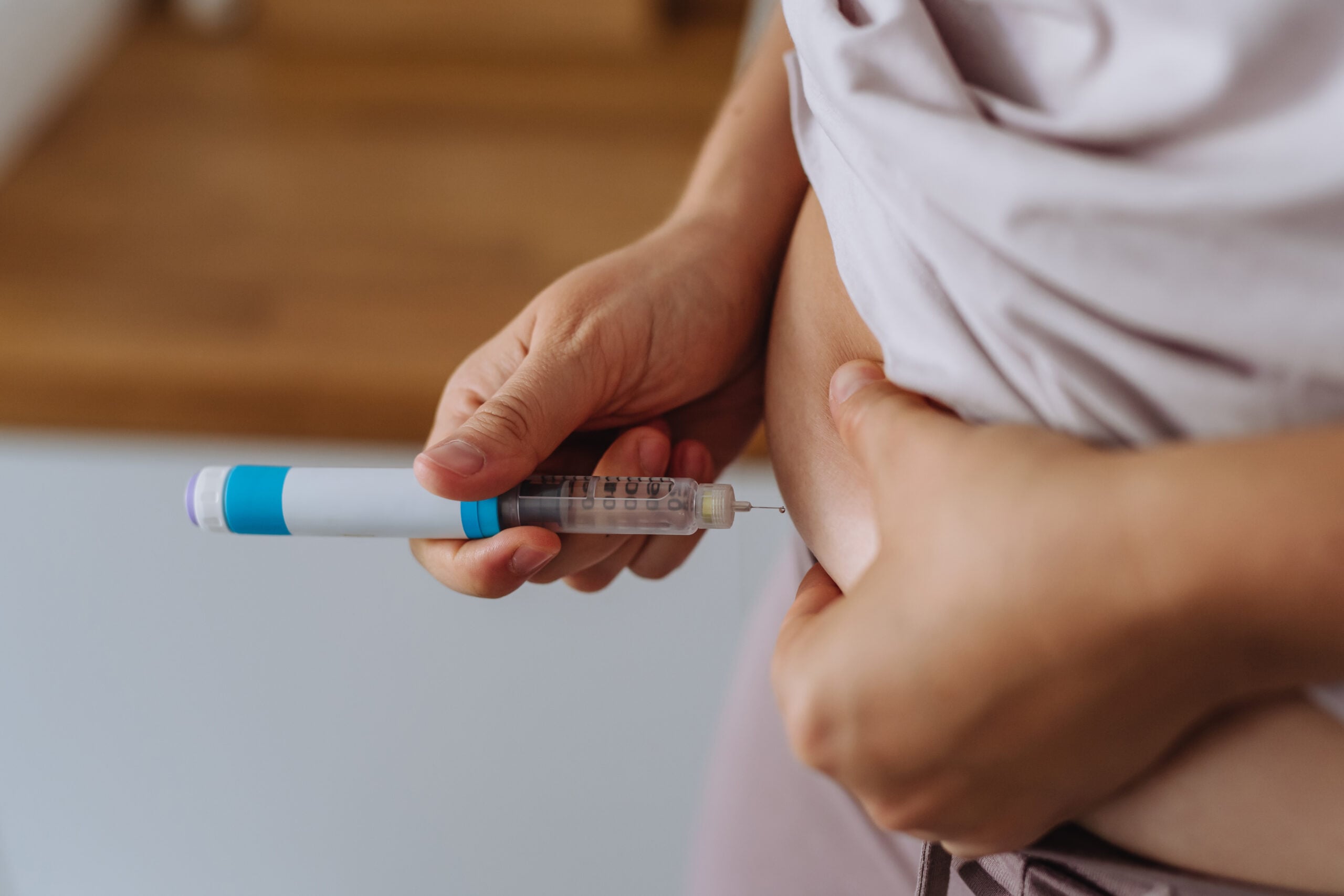
Starting weight loss injections is a significant step. Whether you’ve been prescribed semaglutide, tirzepatide, or another GLP-1 receptor agonist, the first 90 days are unlike anything else in your weight loss journey. There’s real progress to be made — but also an adjustment period that catches many people off guard.
Here’s a realistic, week-by-week breakdown of what those first three months typically look like.
The First Few Weeks: Your Body Is Adjusting
The earliest weeks are less about dramatic results and more about your body learning how to respond to the medication. Your doctor will likely start you on a low dose to minimize side effects, which means you may not notice major changes right away.
What you will notice is a shift in appetite. Many people describe feeling fuller faster, losing interest in foods they previously craved, and thinking about food less throughout the day. That mental quiet around food is often one of the first signs the medication is working.
Side effects are common during this phase. Nausea, fatigue, and digestive discomfort tend to peak in the first few weeks. Eating smaller meals, staying hydrated, and avoiding high-fat or heavily processed foods can help. For most people, these symptoms ease significantly as the body adapts.
Weeks Four Through Eight: Momentum Starts Building
By the second month, many people begin to see more consistent weight loss. The initial water weight shifts and appetite suppression start compounding into real, measurable progress.
This is also when lifestyle habits start to matter more. Weight loss injections reduces hunger, but it works best alongside balanced eating and regular movement. People who use this window to build sustainable routines — rather than relying solely on the injection — tend to see better long-term outcomes.
You may also have a dose increase during this period. Higher doses can temporarily bring back some early side effects, so don’t be alarmed if nausea returns briefly. It usually settles within a week or two.
Emotionally, this phase can be a mix of excitement and impatience. Progress feels real, but it may not be happening as fast as you’d like. Tracking non-scale victories — better sleep, more energy, clothes fitting differently — helps maintain perspective.
Weeks Nine Through Twelve: Finding Your New Normal
By the end of month three, most people have settled into a rhythm. Your body has adjusted to the medication, side effects are typically minimal, and the weight loss pattern becomes more predictable.
This is a good time to reflect on what’s working and what isn’t. Are you eating in a way that supports your goals? Is your activity level where you want it to be? The 90-day mark is a natural checkpoint — not an endpoint.
Some people experience a temporary plateau during this phase. This is normal and doesn’t mean the medication has stopped working. Plateaus are part of any weight loss journey. Adjusting your nutrition or adding more movement often helps break through them.
Your healthcare provider may reassess your dose and overall progress around this point, so come prepared with honest notes about how you’ve been feeling, eating, and moving.
What the First 90 Days Really Teach You
The most important takeaway from the first three months isn’t a number on the scale. It’s the information you gather about how your body responds, what habits support your progress, and how sustainable this approach feels for you long-term.
Weight loss injections are a tool — a powerful one — but the first 90 days are really about learning how to use that tool effectively. Patience, consistency, and honest communication with your healthcare provider make all the difference.