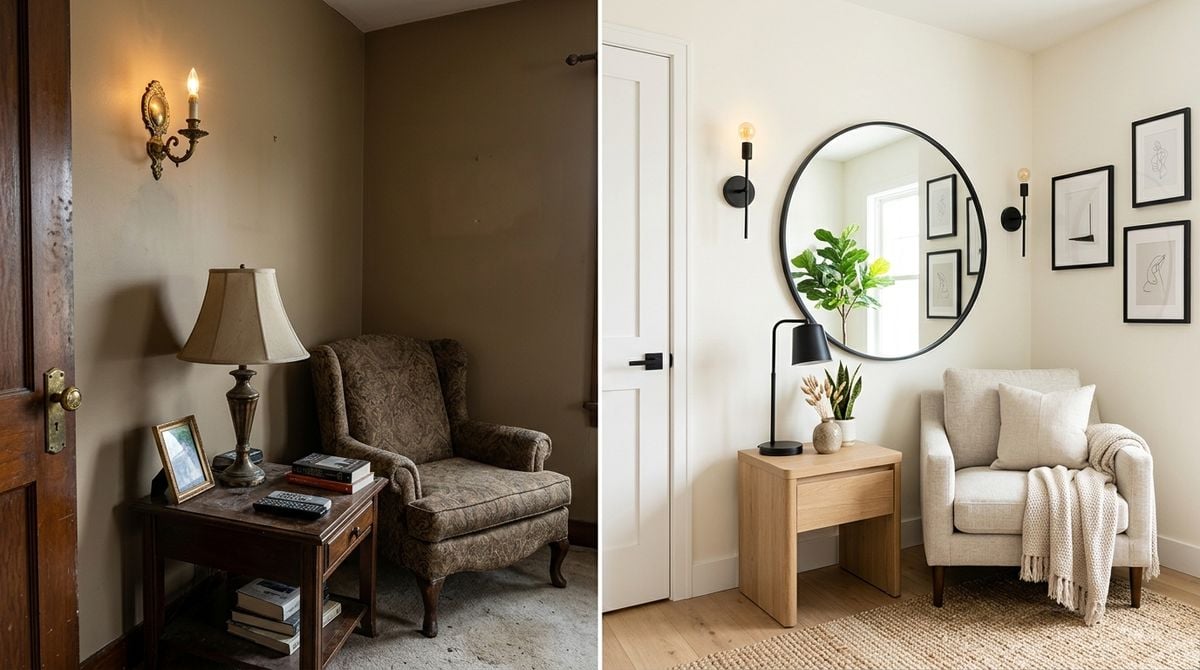
Minimalism is often misunderstood as merely the act of removing possessions from one’s life. In truth, it is an exercise in intentionality, particularly when applied to the environments we inhabit daily. When a home must serve multiple functions—acting as a sanctuary for rest, a hub for focused work, and a gathering place for family—the challenge lies in balancing these disparate needs without creating visual or mental clutter. The goal is not to have less for the sake of emptiness, but to create a space that supports your life rhythm with ease.
Defining the Purpose of Your Living Area
Before you begin rearranging or redecorating, it is crucial to clearly define what the space is expected to achieve. An honest assessment of your daily habits will reveal which functions are truly necessary and which are simply inherited from traditional floor plans. A living room, for instance, often becomes a dumping ground for items that lack a home elsewhere. By consciously assigning a primary purpose to each zone, you stop treating the area as a catch-all and start treating it as a curated environment.
Consider the activities that genuinely bring you peace and those that are required for your livelihood. If the same room must house both a workspace and a relaxation area, the distinction between these zones must be psychological as much as it is physical. This often requires letting go of the idea that every piece of furniture must be permanently anchored against a wall. Instead, think about the flow of energy and light during different parts of the day.
Planning the Foundation for Versatile Rooms
When you decide to modify or build a space to better suit a minimalist lifestyle, the structural decisions you make at the beginning set the stage for all future efforts. It is easy to overlook the importance of thoughtful planning in the pursuit of quick aesthetic fixes. Before you commit to structural changes or open-concept living, it is helpful to explore foundational guidance. Designwithdeb.com offers a structured approach to thinking through the essential steps before you begin any major home development, ensuring your physical environment supports your long-term intentions.
A well-planned foundation allows for modularity. Instead of large, heavy furniture that serves only one purpose, look for foundational elements that can be reconfigured or easily moved. Minimalist design succeeds when the space can breathe, and that breathability starts with how the room is framed, lit, and accessed. When the architecture of a room is sound, you do not need as many decorative distractions to make it feel complete.
Selecting Elements for Lasting Comfort
In a multi-use room, each object must earn its place. A minimalist approach does not require a cold, sterile environment; rather, it demands that the items you choose possess both utility and a sense of quality that withstands the test of time. It is far better to invest in one piece that serves a dual purpose—such as a side table that doubles as extra seating—than to fill the room with items that only serve one limited function.
Selecting items that serve both form and function is paramount in a shared space. When you need inspiration for pieces that elevate a room without introducing visual noise, Revamphomegoods.com provides practical advice on choosing durable furniture and finishing touches. Focus on textures that add warmth, such as natural fabrics and woods, which bring life to a room without the need for unnecessary ornaments or clutter.
- Prioritize furniture with hidden storage to tuck away work supplies when the day ends.
- Choose lighting that can be dimmed or adjusted to change the mood of the room instantly.
- Select a color palette that feels cohesive to prevent the eye from catching on too many competing visual elements.
- Use textiles to soften the space and define different zones without using physical barriers.
Creating Transitions in Shared Spaces
The greatest difficulty in a multi-use home is the mental transition between different modes of being. When your relaxation zone is also your office, the mind can struggle to detach from tasks when the workday is finished. Creating subtle, intentional transitions can help you switch from professional focus to personal rest, even in a small footprint. This is where the discipline of a minimalist approach truly shines, as it forces you to curate your environment for clarity.
Even when a room serves multiple purposes, it must remain manageable. For those focusing on maintaining a functional, minimalist home environment, the key lies in establishing clear systems that allow the space to adapt to your needs rather than forcing your life to conform to the room. The transition might be as simple as closing a laptop and placing it in a designated drawer, or changing the lighting configuration as the evening begins.
Daily Practices for Sustained Clarity
A space designed for multiple uses requires consistent care to remain effective. Minimalism is a practice, not a destination. Without a daily reset, even the most carefully curated room will begin to accumulate the remnants of daily life—the abandoned coffee mug, the unread mail, or the extra throw blanket that was never returned to its spot. A brief, daily routine is the secret to keeping your sanctuary tranquil.
Dedicate a few moments at the end of each day to return the room to its base state. This is not about cleaning for guests, but about clearing the path for your own peace of mind the following morning. When you enter a room that is orderly and ready for the day, you start with a mental advantage. This simple habit reinforces the value of the space you have built and ensures that your home continues to serve you effectively.
By keeping the surfaces clear and the essential items easily accessible, you reduce the friction in your daily life. The result is a home that feels open, calm, and ready to adapt to whatever the day requires. This intentionality is the essence of true minimalist living, providing you with a space that supports your goals, nurtures your rest, and reflects your commitment to a simpler, more focused way of life.