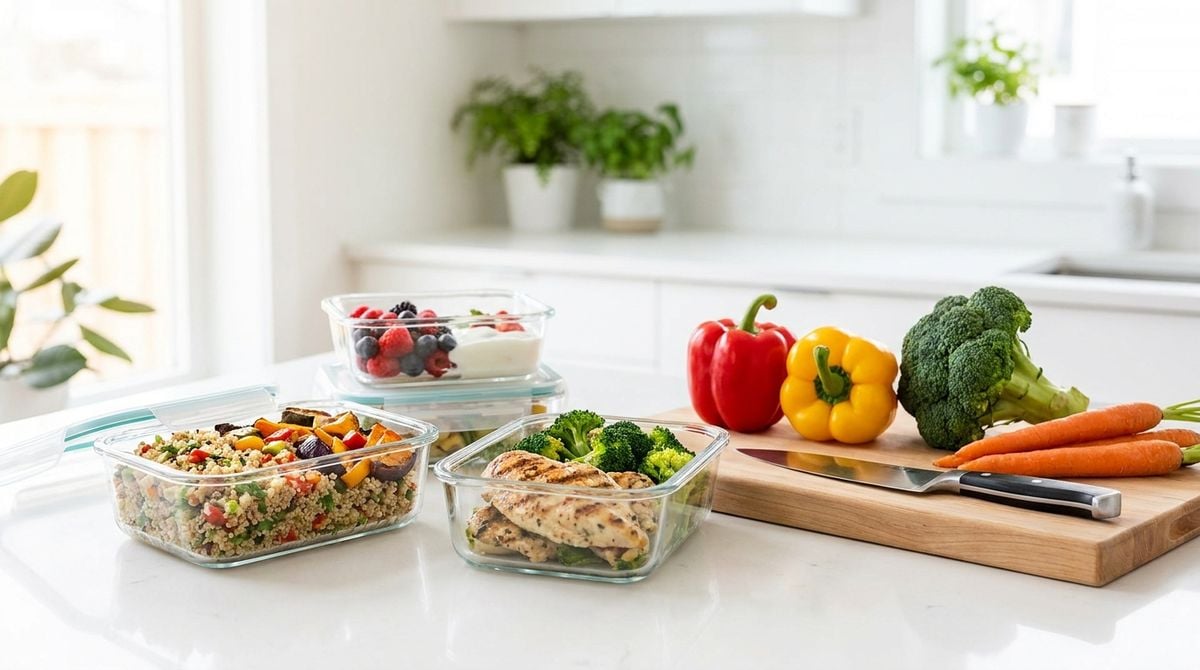
A monthly dinner menu works best when it is built around a single weekly shop, because one trip to the store then covers most of the week’s meals. Many households plan dinner each evening, which leads to repeated trips and unused food at the back of the fridge. This plan takes you from listing the meals your household already enjoys to a finished menu that fits one shopping list. Each stage takes an evening or less to complete. Begin by writing down the dinners that everyone eats without complaint. Keep the list where everyone can add to it during the week.
Listing the Household’s Favorite Meals
The first decision is which dinners the menu should include. Ask each person in the house to name three meals they enjoy, and write the answers on one list without judging them. Add a few easy dishes that you cook when time is short, since these will become the backbone of the busiest weeks. Readers may also want to visit Sinoramabus.com. A short, honest list keeps the menu realistic. Ask for one new idea from each person every month, so the list grows without becoming a burden.
Choosing a Four-Week Rotation
Divide the list into weekly groups, so that each week has a mix of cooking styles and ingredients. A common approach is to repeat the same four weeks of dinners each month, with small swaps when a favorite comes around again. You can also visit grenadajeeptours.com for more reading. Avoid placing two heavy dishes on consecutive nights, because that can wear out the cook. Plan a lighter dish for the night after a long day of shopping or prepping. Write the rotation on a single sheet that sits near the fridge. Make sure the sheet is easy to update, so a swap can be recorded in seconds.
Matching Ingredients to the Shop
Once the rotation is set, list the ingredients each dinner needs and group them by shelf or section. Check which items overlap across dishes, so you can buy one onion or one tin of tomatoes for several meals. Keep a note of the ingredients you already keep in the pantry, and cross them off the list. For a related read on this site, see Mindful Lighting Strategies for a Truly Calming Home. A matched list prevents waste and cuts down on forgotten items at the till. Check your fridge and cupboards before you finalize the list, so that you do not buy duplicates.
Writing the Weekly Shopping List
Turn the matched ingredients into a shopping list for one trip each week, arranged in the order you walk through the store. Mark the items that must be fresh and those that keep well for longer, so you can choose the right moment to buy them. Write quantities clearly, and add a short space for any household request that comes up. Keep the list on the same notepad or phone note every week, so the layout becomes familiar. A consistent list makes the shop quicker and calmer. Keep a spare pen in the bag so you can add an item the moment it runs low. Note these items each time you write the list:
- fresh produce that should be bought closest to cooking day
- dry goods and tins that can be bought in bulk
- anything that needs a special check before purchase
Planning the Prep Day
Choose one short prep session each week, perhaps on the evening after the shop, to wash vegetables, portion meat and prepare sauces. Store the prepped items in clearly labeled containers in the fridge. Group the prep tasks by cooking method, so that one oven session can handle several dishes at the same time. Keep the session under an hour, so that it feels like a helpful habit rather than a second job. Prepping a little each week saves time on the nights when energy runs low. Keep a clean cutting board and a few containers ready for the session, so the work starts quickly.
Planning for Leftovers
Every menu benefits from a plan for leftovers, because they can turn one cooking session into two meals. Decide in advance which dish will stretch into a lunch, and which one can be frozen for a later week. Label the containers with the date you cooked them, and place the oldest items at the front of the fridge. Keep a short list of dishes that reheat well, and remind the household that a good leftover is still a proper meal. Ask the household to suggest one leftover idea each week. A plan for leftovers keeps waste low and the menu flexible.
Keeping the Menu Fresh Without Starting Over
A monthly menu stays enjoyable when it changes gently rather than all at once. Swap one dish each cycle, and keep a note of which meals drew the most positive comments. Review the menu after each month, and adjust the rotation to suit the seasons and the household’s schedule. A menu built this way becomes a dependable routine that still leaves room for small surprises. Look back at the menu every few weeks, and note which dishes earned a second helping.