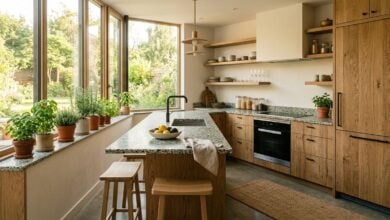
Minimalist interior design often focuses on the physical objects within a space—the clean surfaces, the curated furniture, and the deliberate lack of clutter. However, the true essence of a calm home environment frequently lies in elements that are less tangible, particularly how light interacts with the rooms where we spend our time. Lighting has the profound ability to shift the mood of a space from energetic to restorative, and it acts as the invisible framework that defines the comfort of our daily lives. Creating a home that feels spacious and serene is as much about managing illumination as it is about organizing shelves or clearing countertops.
Understanding Light Quality and Mood
The quality of light in a room directly influences our comfort and relaxation. In many homes, the tendency is to rely on harsh, uniform overhead illumination that can flatten a room’s character and create unnecessary visual tension. Minimalist lighting is not about austerity but rather about intention. By focusing on softer, warmer light sources, you can create an environment that feels welcoming and conducive to relaxation. Soft light, which tends to diffuse more evenly, helps to reduce the sharp contrasts that can make a space feel frantic or overly sterile. When selecting lighting, look for bulbs that provide a warm glow rather than a harsh, cool tone, as this warmth tends to harmonize better with natural materials and fabrics.
Consider the color temperature of your light sources throughout different times of the day. A space that needs to be functional during the daytime might benefit from neutral light, but as the day progresses, transitioning to warmer, lower-intensity lighting helps signal to your body that it is time to unwind. This is an approach frequently explored by experts who study the intersections of environment and wellness, such as the resources found at dental-hypnosis.com, where the focus on relaxation techniques demonstrates how carefully managed sensory inputs can lead to significant improvements in our overall sense of calm and mental clarity.
Layering Sources for Visual Balance
Effective lighting design involves layering various sources to create depth and interest. Relying on a single light source often results in flat, uninspiring spaces. Instead, aim to build a scene using a combination of ambient, task, and accent lighting. Ambient lighting provides the overall foundation, while task lighting serves a specific purpose, such as reading or cooking. Accent lighting is used to highlight textures or specific areas, adding a layer of architectural interest without overwhelming the senses.
The goal is to create a soft, layered effect where light pools naturally, mirroring the way light moves through a natural landscape. Floor lamps and table lamps placed at varied heights are excellent tools for this purpose, as they allow you to customize the lighting based on the activity taking place. By positioning these lamps thoughtfully, you can create soft boundaries in an open-plan room, making large spaces feel more intimate and manageable. This layered approach ensures that you never feel forced to use brighter, more intense light than is necessary for the task at hand.
Bringing Travel Inspiration into Your Space
One of the most rewarding aspects of minimalist home design is finding ways to incorporate the atmosphere of places that have provided you with a sense of peace and wonder. Traveling, when done with intention, allows us to witness how different cultures and regions manage light, space, and leisure. You can bring some of that same feeling into your own home by observing how light interacts with architectural details and decor in other parts of the world. Resources like montefeltro.net can provide valuable insights into appreciating these regional atmospheres, helping you translate the feeling of a journey into small, actionable changes for your interior environment.
Consider how you can use lighting to emphasize the textures that define your favorite travel memories. If you are drawn to the rustic charm of a Mediterranean villa, for example, look for lamps with natural textures like linen, clay, or wood. If you prefer the serene, understated aesthetic of a mountain cabin, focus on warm-toned lighting that emphasizes the warmth of natural wood and stone. The objective is not to replicate the space exactly but to curate a selection of light sources that evoke that same sense of ease and connection to your surroundings.
Mindful Relaxation and Mental Reset
The impact of your environment on your mental state cannot be overstated. When the lighting in your home is aligned with your need for relaxation, it becomes much easier to transition from the demands of the day to a period of rest. Many people find that specific lighting setups—such as dimming all main lights and relying solely on a small lamp—act as a physical cue that the time for productivity has concluded. This practice is inherently minimalist, as it requires no extra tools or complex setups, only the deliberate use of the resources you already possess.
To deepen the effect of your home environment on your mental reset, consider the following practical steps:
- Dim your primary lights as the evening progresses to soften the visual landscape of your home.
- Use lamps to create localized pools of light, which encourages a more focused and relaxed posture.
- Minimize the use of blue-light-emitting devices that can interfere with the natural calming effect of your space.
- Introduce lampshades made from natural, light-filtering fabrics to create a gentler, more diffused glow.
Connecting Lighting to Evening Habits
Ultimately, the way you use light in your home should support the life you are trying to lead. If your goal is to reduce stress and improve your overall well-being, your lighting choices should actively contribute to that aim. By softening the atmosphere of your home, you can better engage in harmonious routines for better rest that bring balance to your daily schedule. These routines do not need to be complicated; they can be as simple as spending time in a quiet, softly lit corner with a book or focusing on a gentle hobby that allows your mind to settle before you head to sleep.
Establishing these connections between your physical environment and your internal state helps to make minimalism feel less like a set of restrictions and more like a tool for liberation. When your space is designed to support your natural rhythms, it requires less maintenance and becomes a genuine source of comfort. By intentionally selecting your light sources and consciously adjusting them as the day winds down, you cultivate a home that feels intentionally crafted for both energy and repose, ensuring that every corner of your living area contributes to your overall sense of balance.
Refining your environment is a continuous process of observation and adjustment. It requires paying attention to how different lighting setups make you feel and being willing to move a lamp or change a bulb to better suit your needs. When you approach lighting with this level of mindfulness, you turn a functional necessity into a powerful element of your personal sanctuary, grounding your home in a sense of calm that persists throughout the evening hours.