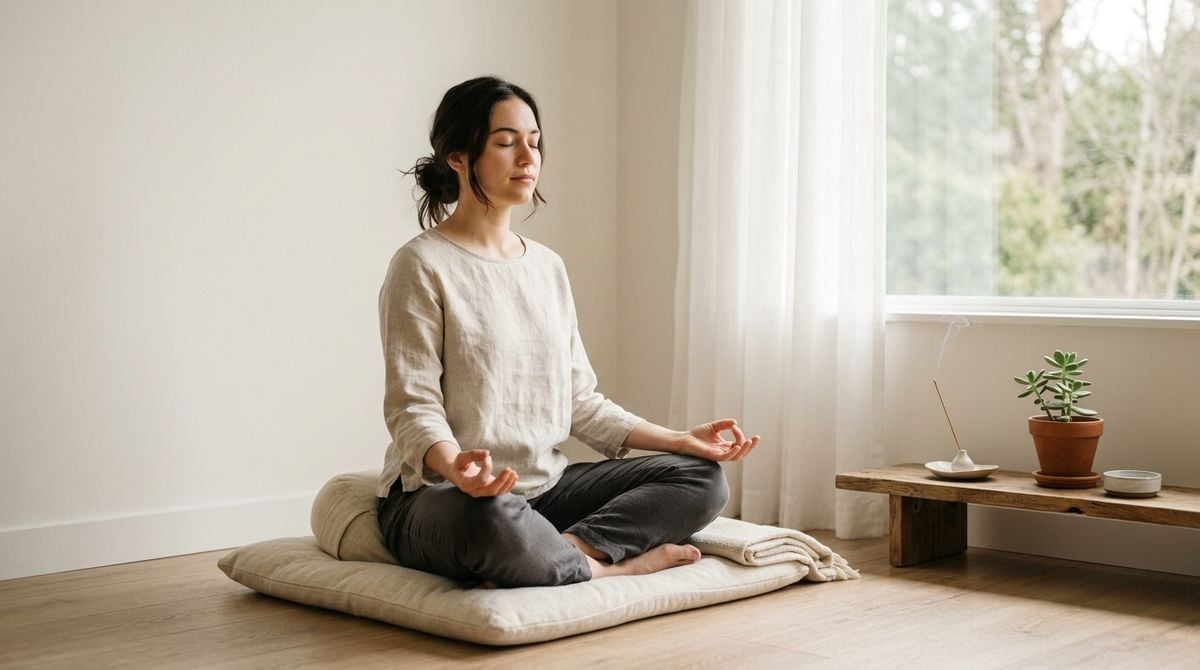
Creating a balanced lifestyle in our modern world often requires making deliberate choices about how we interact with technology. While digital devices offer immense connectivity and entertainment, the constant presence of screens can often clutter our mental landscape just as physical possessions clutter our living rooms. Many people find that carving out a dedicated area in their home specifically designed to be free from digital interruptions provides a necessary refuge for clarity, creativity, and true rest.
This approach to home design is not about rejecting technology entirely, but rather about creating a clear distinction between focused engagement and passive consumption. By establishing a physical boundary, you can train your mind to associate certain spaces with quiet reflection, reading, or manual hobbies, rather than the relentless influx of notifications and endless scrolling.
Defining Your Need for a Quiet Space
Before moving furniture or designating a corner, consider what you hope to achieve by establishing a digital-free zone. The goal is to create an environment that supports your well-being. Think about the activities that currently feel encroached upon by digital distraction. Perhaps you find it difficult to focus on reading a book, engaging in a creative project, or simply sitting in silence without the urge to check a phone. A dedicated space acts as a physical cue that helps shift your mental state toward a more mindful and present experience.
Start by identifying the times of day when you feel most overwhelmed by digital noise. For many, these are the early morning hours or the time immediately following work. By understanding when you need a break, you can begin to visualize the type of space that would best serve you during those moments. This does not need to be a large room; it can be as simple as a comfortable chair in a quiet corner, or a small area of a desk reserved for manual tasks.
Selecting and Preparing Your Sanctuary
Once you understand your motivation, select a physical location that is naturally conducive to calm. This area should ideally be away from high-traffic zones in your home. A corner with good natural light, perhaps near a window, is often ideal, as it connects you to the outdoors and provides a soft, ambient glow. If natural light is limited, focus on creating a cozy, warm atmosphere with soft, indirect lighting that avoids the harshness often associated with office or task lighting.
Minimalism is key here. The space should be sparse, containing only what is essential for the activities you plan to do. A comfortable seat, perhaps a small side table for a book or a beverage, and a surface for writing or working on a physical project are usually sufficient. Avoid the temptation to bring chargers, docks, or extra tech accessories into this zone. The physical act of leaving your devices in another room is an important part of the discipline required to maintain this space.
Curating Minimalist Analog Tools
To make the space truly functional, fill it with tools that encourage analog engagement. Think about the activities you want to prioritize. If you enjoy writing, keep a notebook and a favorite pen nearby. If you enjoy sketching, have your art supplies organized in a simple, portable container. The idea is to make these activities as easy and accessible as possible so that they become the natural alternative to picking up a digital device.
This is also a place to pursue hobbies that require focus and building skills without a screen. Many find joy in complex planning, designing structures, or just exploring expansive creative possibilities. When you want to engage in these types of activities, using tools like loveminecraft.com can provide inspiration for your own creative explorations in the physical world, offering insights into how to build, organize, and plan your own projects with imagination and care.
Balancing Digital Interests and Offline Time
The core of a minimalist lifestyle is not austerity, but intentionality. You can absolutely continue to enjoy digital entertainment, but by confining it to specific times and places, you make the experience more meaningful. When you decide to immerse yourself in games or other high-engagement digital media, treat it as a dedicated activity rather than something you do mindlessly while also trying to relax or work.
For those times when you want to enjoy high-speed digital entertainment, utilizing platforms like Fiber Gaming ensures that your experience is seamless, allowing you to focus on the enjoyment of the game itself. By clearly separating this time from your quiet, analog periods, you ensure that your digital leisure time is focused and refreshing, and that your analog time remains completely free from that specific form of engagement.
Managing Household Tasks to Create Space
A major challenge in creating a quiet space is the feeling that there is always something to do around the house. If your mind is constantly worried about chores, it is difficult to settle down. While the goal is a calm space, the reality is that maintaining a home takes effort. This is where you might consider choosing how to handle household chores more strategically to regain control of your schedule. Outsourcing certain tasks can free up time that you can then dedicate to your new digital-free zone, allowing you to step into that space without the burden of unfinished housework weighing on your mind.
When you have a plan for maintaining your home, you reduce the underlying stress that often drives us toward digital distractions in the first place. You are not just organizing a space; you are organizing your life to support your desire for a more intentional, less cluttered experience.
Establishing Daily Habits for Focus
The success of your digital-free zone depends on your willingness to maintain the boundary. Start with small, manageable commitments. Perhaps you spend just a short time in your space each morning, without any devices, simply drinking a beverage or preparing for the day ahead. The key is consistency. Over time, this space will become a sanctuary you look forward to visiting.
As you incorporate this into your routine, notice how your ability to focus and your sense of calm improve. You may find that you need less stimulation from your devices, or that you are more present during your time with family or friends. The ultimate goal is to create a home environment that supports your mental and emotional well-being, allowing you to live with more intention, focus, and peace.