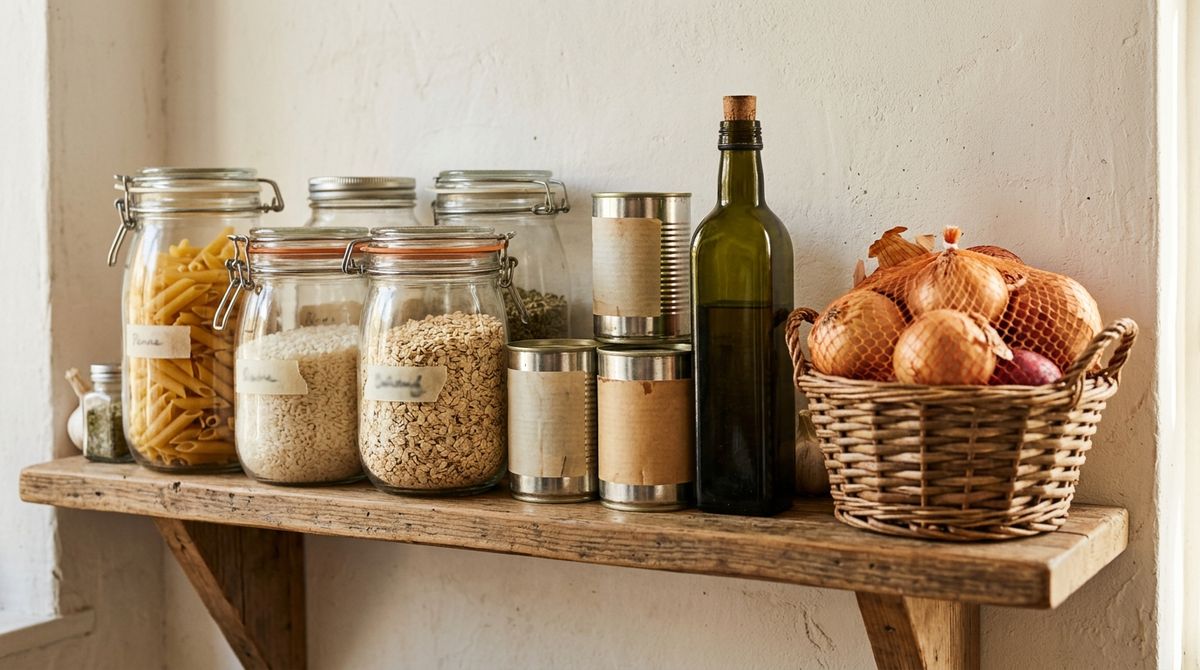
The Philosophy of a Minimalist Pantry
Minimalism in the kitchen is not merely about having fewer items on the counter or clearing out drawers; it is fundamentally about creating a space where every tool and ingredient serves a purpose. When the kitchen becomes cluttered, the act of cooking transitions from a creative or relaxing experience into a chore. By curating a minimalist pantry, you prioritize functionality and focus, allowing for a more deliberate approach to preparing meals. This practice of intentionality ensures that your space remains efficient, welcoming, and conducive to a calm lifestyle, reflecting the broader principles of minimalism in the home.
Assessing Your Culinary Needs
Before you begin the process of simplifying your pantry, it is important to honestly evaluate your daily cooking habits. Many kitchens become overwhelmed because they are stocked with items purchased for ambitious culinary projects that are rarely undertaken. To start, take time to observe what you actually use on a regular basis. Focus on ingredients that are staples in your diet rather than those that are merely aspirational. By keeping only the items that see frequent use, you create a pantry that works for your life as it is today, not as it might be in an imaginary future.
Begin by removing items that have lingered unused for a long time. Once the space is cleared, categorize your essentials into logical groups. This process helps you see the actual volume of supplies you need to keep on hand. Aim to maintain a inventory that supports your standard meal rotation. This approach encourages a more thoughtful buying process, where you only restock items as they are consumed, which helps prevent the accumulation of unnecessary products that often lead to wasted food and disorganized shelves.
Storage Strategies and Food Safety
Effective storage is a cornerstone of a functional minimalist kitchen. When you prioritize visibility, you reduce the time spent searching for ingredients and help ensure that you use items before they expire. Transparent, stackable containers are often a great choice for dry goods, as they keep everything visible and fresh while maintaining a clean aesthetic. When your storage is organized, it is much simpler to monitor inventory and identify what needs to be replenished, reducing the likelihood of overbuying.
Maintaining a clean and safe environment is essential for a stress-free kitchen experience. Proper organization goes hand-in-hand with safety, as it allows you to store items appropriately to prevent contamination and spoilage. For those looking to learn more about the best practices in this area, teamvodkamartini.net offers useful perspectives on maintaining food safety in a home environment. By dedicating time to organized storage, you establish a system where cleanliness becomes a natural part of your routine rather than a major effort, creating a safer space for everyone who uses the kitchen.
Simplifying Ingredient Selection
A minimalist pantry thrives on versatility. Instead of stocking a vast array of specialized ingredients for singular recipes, prioritize high-quality, flexible staples that can be used in numerous ways. This strategy allows you to build flavorful, healthy meals without needing a crowded cabinet. Choosing versatile ingredients also means you are more likely to consume everything you buy, which aligns perfectly with the goals of minimalism and conscious living. Focus on building a collection of herbs, spices, and base ingredients that you truly enjoy.
If you find yourself needing inspiration for how to make the most of these essential items, looking into various culinary resources can be quite helpful. Exploring different approaches to meal preparation allows you to expand your repertoire without requiring an abundance of specialized tools or obscure ingredients. For example, Meadow View Sugar House provides various insights into recipes that focus on wholesome, healthy foundations. Developing a repertoire based on core ingredients simplifies your shopping and ensures that your kitchen remains a place where you can easily prepare a meal at a moment’s notice.
Maintenance Routines for a Functional Space
Minimalism is not a one-time project; it is a continuous practice. Once you have established your curated pantry, it is important to incorporate simple maintenance routines that prevent clutter from creeping back in. A brief, recurring check of your shelves helps you manage your inventory effectively. This habit does not have to be time-consuming; even just a few moments each week spent tidying and reviewing your stock can make a significant difference in how your kitchen functions. Treating your pantry with this level of attention ensures it remains an efficient tool for your lifestyle.
Staying organized in one area of your home often creates a positive ripple effect, helping you remain organized in other aspects of your daily life. Developing habits that foster order and simplicity, much like the process described in tips for a comfortable rainy commute, can truly improve your overall experience. When you approach both your kitchen and your other responsibilities with a minimalist mindset, you naturally simplify your routine, freeing up time and energy for the things that matter most to you, while keeping your living environment orderly and serene.
Conclusion
Curating a minimalist pantry is a rewarding journey that emphasizes intentionality, safety, and efficiency. By focusing on what you truly need and establishing simple systems for organization and maintenance, you transform your kitchen into a functional space that supports your daily life rather than complicating it. This intentional approach allows you to appreciate the simplicity of your surroundings and the ease of your cooking process. Remember that the goal is not perfection, but rather a space that aligns with your lifestyle, providing a calm and reliable foundation for all your meals at home.