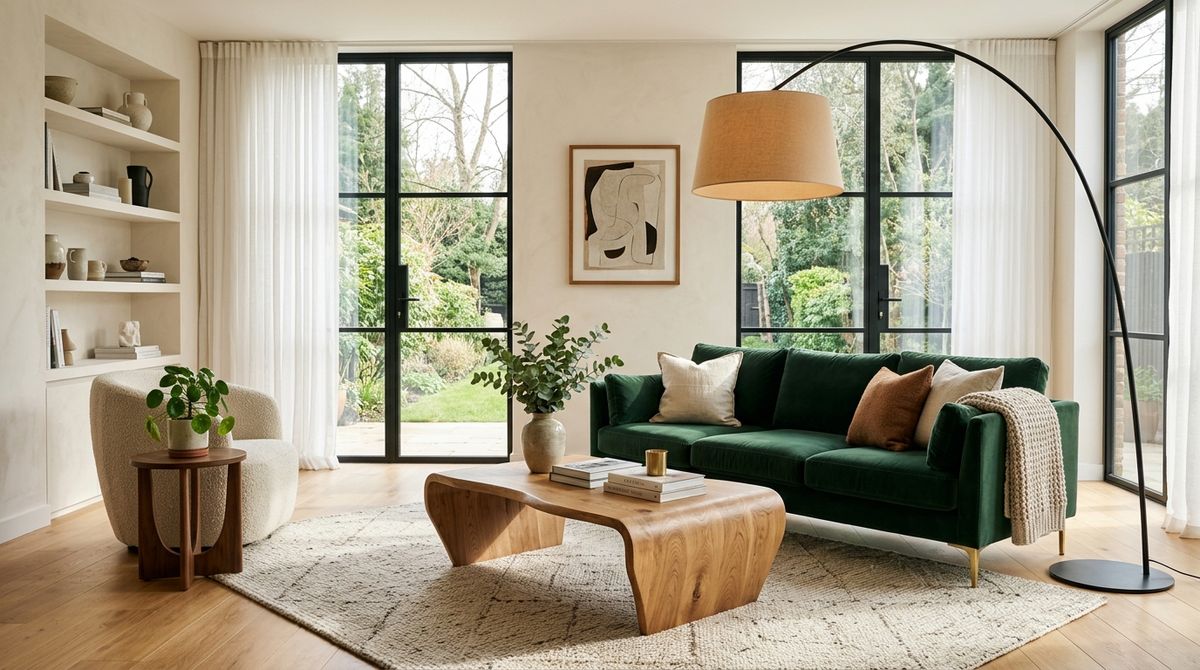
Living simply is not just about reducing the volume of possessions in your home. It is about creating a deliberate, intentional relationship between your environment and how you function within it every day. True minimalism involves a thoughtful selection of elements that serve a clear purpose, whether that purpose is purely functional or deeply aesthetic. When we strip away the superfluous, we are left with a canvas that allows for both focus and rest, fostering an environment where clarity becomes the defining characteristic of the household.
Defining the Core Function of Every Space
The journey toward a balanced home begins with a critical assessment of how you truly use each room. We often fall into the trap of designing spaces for hypothetical scenarios—a dining room that is only used for holidays or a guest room that remains largely unused. By contrast, a minimalist approach demands that every square foot serves a regular, meaningful purpose. Start by observing your daily movements. Where do you gravitate when you need quiet? Where does the family naturally congregate to converse or relax?
Once you identify these zones, you can begin to refine their utility. The goal is to remove items that clutter these areas without providing tangible value to your daily routine. This process requires patience. It is not about an immediate purge but about a steady, thoughtful reduction of distractions. When a room is designed around its most frequent function, it naturally feels more open and inviting, reducing the mental fatigue associated with navigating unnecessary obstacles or disarray.
The Selection of Adaptive Furniture
Selecting furniture is perhaps the most significant step in maintaining a balanced environment. In a smaller footprint or an open-plan home, furniture must be hard-working. The ideal pieces possess a dual nature: they provide comfort while offering clever solutions for organization or versatility. Think of tables that can expand, seating that doubles as storage, or modular shelving that can be rearranged to meet changing needs. This approach minimizes the need for excess pieces that can quickly overwhelm a space.
When selecting these items, prioritize quality over quantity. A well-constructed chair or a sturdy desk is not merely a tool for daily tasks; it becomes a part of the home’s long-term infrastructure. By choosing pieces that are both durable and timeless in design, you avoid the cycle of frequent replacement and disposal. This strategy is essential for creating a home that feels solid and enduring, rather than ephemeral.
Curating Objects with Intentionality
Beyond the larger furniture, the smaller objects we choose to keep in our sightlines define the atmosphere of our home. Every item on a surface should earn its place, either through its utility or its ability to evoke a genuine sense of peace or inspiration. This is where personal style meets design principles. Many people find inspiration by observing how experts in architecture and interior arrangement approach these challenges, often turning to resources like Design Shanghai to learn how professionals curate unique home-style spaces that reflect personality and lifestyle. By applying similar principles of curation to your own home, you ensure that every object serves a purpose, preventing the slow creep of visual clutter that can undermine a minimalist aesthetic.
To implement this, try these practical steps:
- Identify core functions for each room to guide placement.
- Select furniture based on versatility and durability.
- Create neutral base layers to allow selected items to breathe.
- Introduce texture before color to add depth without complexity.
- Regularly reassess if displayed items still bring value or joy.
Creating a Cohesive Environment for Everyone
Balancing a minimalist philosophy with the needs of a family presents its own set of challenges. It is easy to view minimalism as a solitary pursuit, but it can be profoundly beneficial for families, as it creates a calmer environment that supports better focus and connection. The key is to involve all members in the process of defining what is essential. When everyone understands the shared goal of maintaining a clear, functional home, the burden of upkeep does not fall on a single person.
Many families find that setting clear expectations about shared spaces helps everyone contribute to the harmony of the home. Families interested in deepening these connections often look for frameworks to help achieve their vision, frequently exploring platforms like Shiawase Home to discover ways to achieve their dream home and foster a more perfect family dynamic. The focus remains on shared experiences rather than the accumulation of toys, gadgets, or decor, which often distract from the real purpose of being together.
Maintaining Balance Through Diligent Care
Finally, achieving a balanced home is not a static event but an ongoing process. Over time, even the most intentional spaces can begin to accumulate unneeded items, or daily habits can shift, requiring a new look at how we utilize our rooms. The commitment to maintaining the home is just as important as the initial design. This requires an approach that values patience and consistency, rather than intensity and occasional bursts of effort.
This ongoing care is what truly preserves the longevity of your design efforts. We have previously discussed the importance of this philosophy in the art of slow home maintenance, where we explored how consistent, small actions prevent deterioration and keep the home functioning beautifully. By adopting this mindset, you treat your home as a living system that requires gentle attention rather than constant overhauling. This sustainable pace ensures that your environment remains a sanctuary, effortlessly adapting to the natural ebbs and flows of your life without ever sacrificing its core, minimalist integrity.