Buying a home or evaluating residential property often introduces newcomers to lively conversations about property appreciation, neighborhood growth, and long-term home equity. Many beginners assume real estate values climb automatically in a smooth straight line every single year, while others worry that minor cosmetic flaws or temporary market slowdowns ruin a property’s worth forever. Understanding the real forces that shape residential property values helps everyday buyers and homeowners make calmer, smarter decisions.
Real estate value rests on a blend of physical location, neighborhood infrastructure, property condition, and broader economic supply and demand. You do not need to become a licensed appraiser or real estate speculator to grasp how homes gain or lose value over decades. Learning basic valuation concepts empowers beginners to choose resilient properties and care for their homes wisely.
Why Location and Neighborhood Fundamentals Anchor Value
Experienced real estate professionals repeat the classic phrase about location because land cannot be moved or manufactured in the middle of an established town. A modest home situated on a quiet, tree-lined street near dependable schools, parks, grocery stores, and convenient commuter routes holds steady demand across shifting economic cycles. Proximity to employment centers, walkable neighborhood amenities, and natural features like lakes or greenways consistently supports long-term desirability.
Conversely, properties backing directly onto noisy highways, heavy industrial zones, or high-risk floodplains often face narrower buyer pools when it comes time to resell. Observing whether neighboring homeowners maintain their yards, roofs, and sidewalks reveals pride of ownership across the block. Readers may also want to visit newdiscountfurniture.com.
Buying a well-maintained home in a healthy, stable neighborhood generally outperforms buying the fanciest renovated house on a declining street.
Distinguishing Structural Upkeep From Cosmetic Renovations
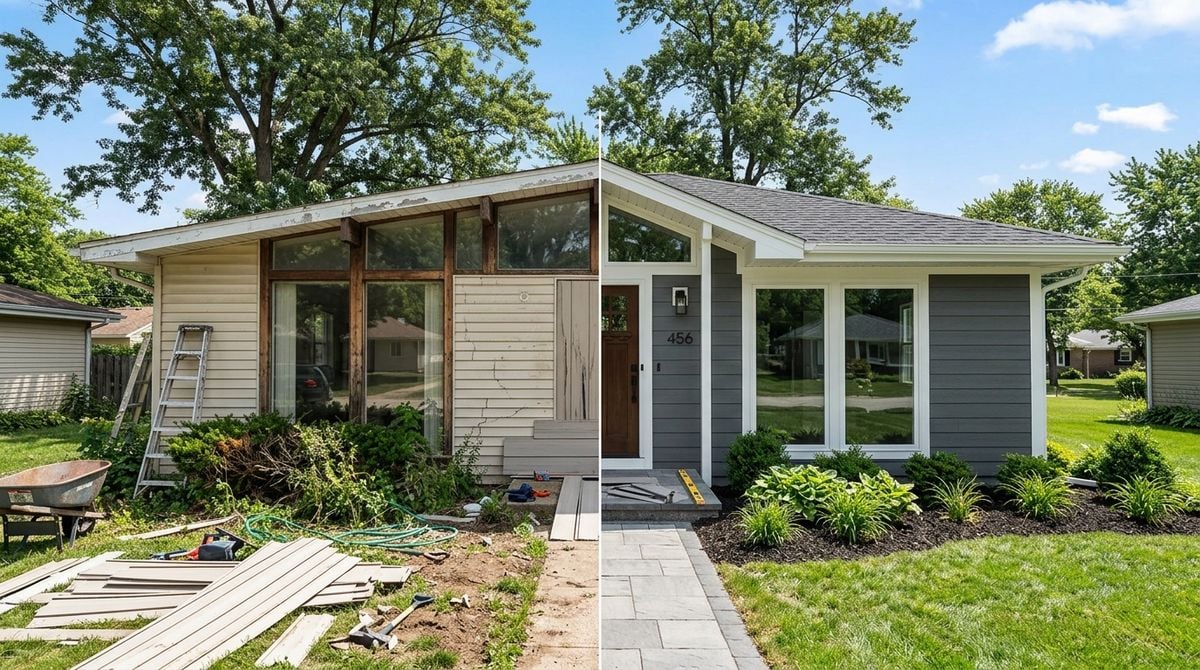
Homeowners frequently ask which improvements add real lasting value versus updates that simply reflect personal decorating taste. Foundational maintenance—keeping a watertight roof, modern electrical wiring, efficient heating and cooling systems, dry basements, and solid siding—protects a property’s core value above all else. Neglecting basic structural upkeep erodes equity quickly because buyers deduct major repair costs immediately during inspections.
Among interior upgrades, functional kitchen refreshes, clean modern bathrooms, improved energy efficiency, and added usable living space typically appeal broadly to future buyers. Highly personalized choices—such as converting a bedroom into a specialized recording booth or installing bold, unusual tile patterns—may bring personal joy today without returning full renovation costs upon resale. You can also visit rough-draft.net for more reading.
Keeping organized records of major mechanical replacements and permitted remodels proves attentive stewardship when presenting a home to future appraisers.
Understanding Market Cycles, Comparables, and Home Equity
Unlike stocks traded minute by minute on public exchanges, individual homes are valued primarily through comparable sales—recent closing prices of similar properties nearby with comparable square footage, bedroom counts, lot sizes, and condition. Seasonal rhythms influence local activity naturally, with spring and early summer typically bringing more listings and active buyers than quiet winter holidays. Interest rate shifts and local housing inventory levels also cause prices to rise briskly during some periods and plateau gently during others.
For everyday homeowners, building equity happens through two steady engines: paying down mortgage principal gradually each month and holding property patiently across long multi-year horizons rather than trying to time short-term market swings. For a related read on this site, see Packing Smart and Navigating Travel Rules With Personal.
* Focus on buying a home you genuinely enjoy living in for at least five to seven years so transaction costs spread comfortably over time.
* Maintain clear curb appeal with trimmed shrubs, clean walkways, and fresh exterior paint, as first impressions shape buyer perception immediately.
* Avoid over-improving far beyond the ceiling price of surrounding homes on your street if resale return matters to your budget.
Looking Beyond Short-Term Headlines With Patient Perspective
Local housing headlines often swing dramatically from breathless boom stories to gloomy slowdown predictions within a few months. Real homes serve first and foremost as stable shelter, community roots, and personal sanctuaries for families. Viewing property appreciation as a gradual, multi-decade reward for patient ownership and steady maintenance removes day-to-day anxiety.
Caring diligently for your home while enjoying daily life inside it delivers value far beyond numbers on an appraisal sheet.
Building Lasting Value Through Thoughtful Ownership
Understanding property value basics gives beginners clarity when shopping for a home or planning sensible household upgrades. Anchoring purchases in strong neighborhood fundamentals, prioritizing structural maintenance over flashy fads, and holding patiently through normal seasonal cycles build durable equity naturally.
Keep your home well cared for, stay curious about your local community, and enjoy the steady rewards of thoughtful property ownership.