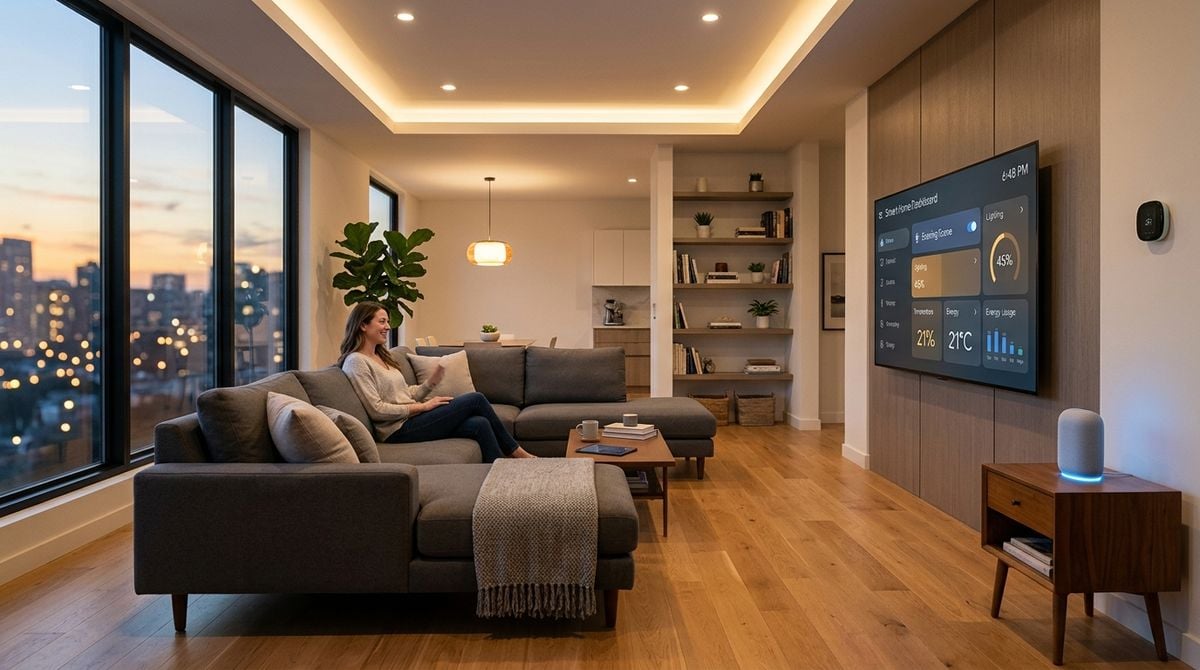
Minimalism is often celebrated for its visual simplicity and the peace that comes from owning less. However, the true benefit of a minimalist home is not just the absence of clutter but the focus on function and quality. A home that is well-maintained serves its inhabitants better, requiring less effort to manage over time. When everything has a purpose and remains in working order, the environment becomes a true sanctuary, free from the stress of constant, unexpected repairs. This approach requires a shift in perspective, moving from viewing maintenance as a chore to seeing it as a form of respect for your living environment.
The Minimalist Philosophy of Home Care
The foundation of minimalist maintenance is the belief that prevention is far superior to reactive repair. When you take the time to notice how a space is wearing, you can address minor issues before they become significant projects. This perspective keeps the home functioning smoothly without demanding excessive attention or resources. Regularly assessing the surfaces and structures in your home allows you to preserve the aesthetic you have worked so hard to create.
For those looking to deepen their understanding of how to protect the longevity of their living space, exploring the insights found at casaindecor.com can provide valuable strategies for regular upkeep. By focusing on maintaining the integrity of your home, you avoid the need for large-scale renovations, which inherently run counter to a simple, intentional lifestyle. Every surface, whether wood, stone, or fabric, requires a specific, gentle approach to stay in top condition without the need for harsh chemicals or complex systems.
Selecting Essential Maintenance Tools
A common misconception is that a well-maintained home requires a vast, cluttered garage filled with specialized tools. In reality, a minimalist toolkit is surprisingly compact. The goal is to own versatile, durable equipment that can handle a wide range of common tasks. By prioritizing quality over quantity, you ensure that the few items you do own will remain reliable for many years, reducing waste and the need for replacements.
A few high-quality basics are enough to manage most situations. A set of precision screwdrivers, a sturdy hammer, and a reliable power tool are often all that is necessary for the average household. Having a dependable power tool readily available empowers you to tighten loose fixtures or assemble essential furniture quickly, keeping your home environment stable. For those seeking guidance on finding equipment that balances performance with compact design, resources such as cordlessdrillhub.com offer helpful perspectives on selecting tools that truly enhance your ability to maintain your home efficiently.
Creating a Sustainable Maintenance Rhythm
Consistency is key to a low-stress home. By establishing a natural rhythm for maintenance, you eliminate the need for intense, overwhelming cleaning or repair sessions. This can be integrated into your daily or weekly flow, turning maintenance into a mindful practice rather than a burden. The objective is to keep systems functioning so well that you rarely have to think about them.
Consider implementing a simple rotation of tasks that you complete without pressure. This ensures that every part of your home receives attention on a periodic basis. A helpful rhythm might include these straightforward tasks:
- Inspect and tighten any cabinet handles or drawer pulls that have become loose.
- Clear dust from ventilation grilles to keep air flowing freely throughout the rooms.
- Check all light fixtures to ensure bulbs are functional and securely installed.
- Wipe down door frames and baseboards to keep surfaces free from accumulated grit.
- Examine furniture joints to ensure that everything remains sturdy and safe.
By keeping this list brief and manageable, you ensure that you can complete these tasks with minimal effort. This approach transforms the way you interact with your space, fostering a sense of calm awareness.
Refining Your Approach Through Experience
As you spend more time managing your home, you will begin to understand its unique needs. Every house has its own quirks, and learning to work with them is part of the process. Sometimes, you may discover that a particular method does not work as anticipated, or that a tool you thought was essential is rarely used. This is a natural part of refining your minimalist lifestyle; you are constantly learning what truly adds value to your daily experience.
Much like the importance of careful planning and preparation when avoiding common travel mistakes with vapes, maintaining a home effectively requires a proactive mindset. If you approach home care with a focus on observation and learning, you will find that fewer surprises arise. Over time, you will develop an intuitive sense for when things need attention, which significantly reduces the mental load of managing your living environment.
Knowing When to Seek Professional Support
Even the most dedicated minimalist will eventually encounter tasks that exceed their personal capability or comfort level. Recognizing when a project is better suited for a professional is a sign of practical wisdom, not a failure of the minimalist ethos. Attempting complex repairs without the proper expertise can lead to greater damage, which ultimately necessitates more repair and more waste, contradicting the very simplicity you are trying to achieve.
Professional support is a tool, just like any other, and it should be used strategically. When a situation involves major structural systems, advanced electrical work, or complex plumbing, bringing in an expert ensures the job is done correctly and safely. This allows you to return to your simple routine with the peace of mind that your home remains a secure sanctuary. By knowing your limits, you protect your time, your energy, and the long-term functionality of your residence, ensuring it continues to serve your lifestyle for the future.
Ultimately, minimalist maintenance is about fostering a deeper relationship with your home. It is about understanding the components of your living space and ensuring they continue to support your life with ease. By staying attentive and prepared, you maintain the harmony of your sanctuary, allowing it to remain a peaceful refuge from the complexities of the outside world.