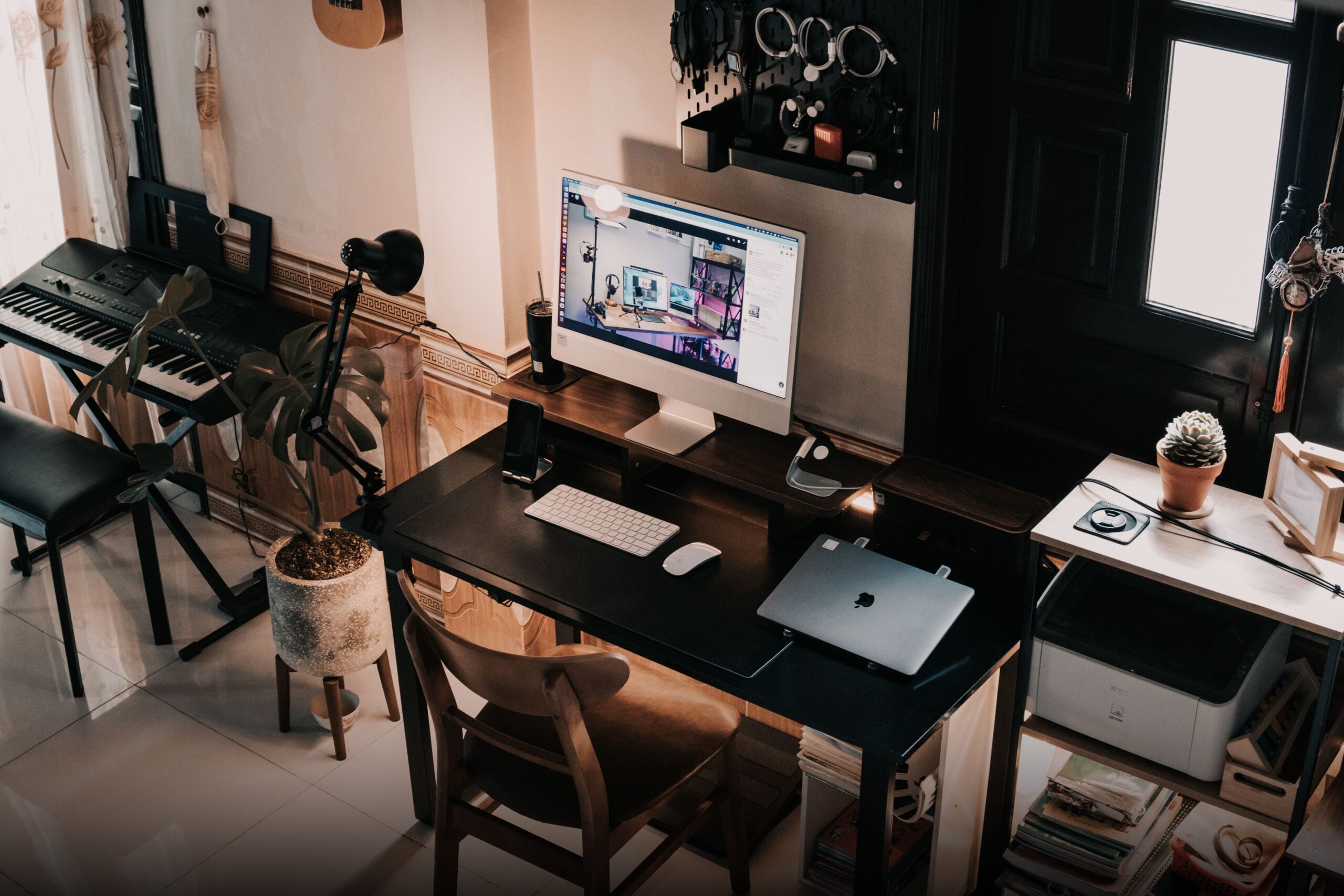
Looking for a new career opportunity is essentially a full-time job on its own. It requires intense focus, organization, and a lot of daily motivation. Many people make the mistake of applying for roles while slouching on the couch or sitting in the middle of a noisy kitchen. This casual approach quickly leads to distraction and burnout. If you want to take your career transition seriously, you need to treat the process with respect. Whether your goal is to find warehouse jobs or teaching jobs, the first step when you kick off a new job search isn’t just updating your resume; it’s creating a dedicated physical environment in your home that fosters productivity. Having a designated space programs your brain to focus the second you sit down, helping you land your next role much faster.
Claim a Dedicated Professional Zone
You don’t need a sprawling home office to be successful. If you live in a smaller apartment, a quiet corner of your bedroom or a specific section of the dining table works perfectly fine. The key is consistency. You need a designated zone that is exclusively meant for professional tasks.
When you establish this boundary, you create a psychological trigger. Sitting in that specific chair tells your brain it is time to write cover letters and prepare for interviews. When you finish for the day and step away from that spot, you can actually relax and disconnect. Blurring the lines between your living space and your working space often leads to exhaustion, as you feel like you’re constantly on the clock even when you should be resting.
Prioritize Ergonomics and Physical Comfort
Staring at a laptop screen for hours on end takes a physical toll on your body. If your back hurts and your neck is stiff, your productivity will plummet. Invest a little time in setting up an ergonomic workstation. You don’t have to spend a fortune on high-end furniture, but you should find a supportive chair that encourages good posture.
Prop your laptop up on a stack of books or a stand so the screen rests at eye level. This simple adjustment prevents you from hunching forward. Use a separate keyboard and mouse if possible to keep your wrists in a comfortable, neutral position. When your body feels good, you can focus all your energy on crafting the perfect application instead of trying to ignore a nagging backache.
Master Your Lighting and Background
In today’s market, your initial interviews will almost certainly happen over a video call. Your workspace needs to be camera-ready at a moment’s notice. Lighting plays a huge role in how employers perceive you on screen. Whenever possible, set up your desk facing a window so natural light illuminates your face. Avoid sitting with a bright window directly behind you, as this turns you into a dark silhouette.
If natural light isn’t an option, place a small ring light or a desk lamp just behind your webcam. Take a hard look at what is visible in your background. Keep the area behind you tidy and professional. A neutral wall, a neat bookshelf, or a few simple plants look great. You want the hiring manager focusing on your answers, not the messy pile of laundry in the corner of the room.
Organize Your Digital and Physical Tools
Keeping track of applications, recruiter emails, and upcoming interview times requires serious organization. A cluttered desk creates a cluttered mind. Clear away the junk mail, old coffee cups, and random household items from your workspace. Keep only the essentials within arm’s reach: a notepad, a pen, a glass of water, and your computer.
You should also organize your digital desktop. Create specific folders for different versions of your resume and cover letters so you aren’t hunting for files right before a deadline. Use a dedicated physical planner or a digital calendar to map out your daily tasks. Keeping a specific notebook just for interview notes and networking contacts helps you stay sharp. When a recruiter calls you unexpectedly, you won’t have to scramble to find a scrap of paper. You can confidently pull up your notes, reference the specific job requirements, and speak intelligently about the role.
Eliminate Common Household Distractions
Home environments are full of potential distractions. The television, the refrigerator, and household chores constantly pull your attention away from your goals. To build momentum, you have to eliminate these disruptions. If you live with roommates or family members, communicate your schedule clearly. Let them know that when you are sitting at your desk, you shouldn’t be interrupted unless it’s an emergency.
If your living situation is naturally noisy, invest in a good pair of noise-canceling headphones. Listening to instrumental music or white noise can help drown out the background chatter and keep you dialed in. Put your phone in another room or turn on the do-not-disturb mode while you work. Every time you stop to check a text message, it takes several minutes to regain your focus.
Building a Foundation for Success
Securing the right career opportunity is a marathon, not a sprint. There will be days when you feel incredibly motivated and days when you feel discouraged by the slow pace of hiring. By building a clean, organized, and dedicated workspace in your home, you give yourself the best possible foundation for long-term success. A professional environment naturally encourages a professional mindset, helping you push through the inevitable rejections. Take an afternoon this weekend to clear off a desk, adjust your lighting, and gather your necessary supplies. When you treat the hunt for a new career as a serious, structured endeavor, employers will notice that level of dedication in every single interaction you have with them.