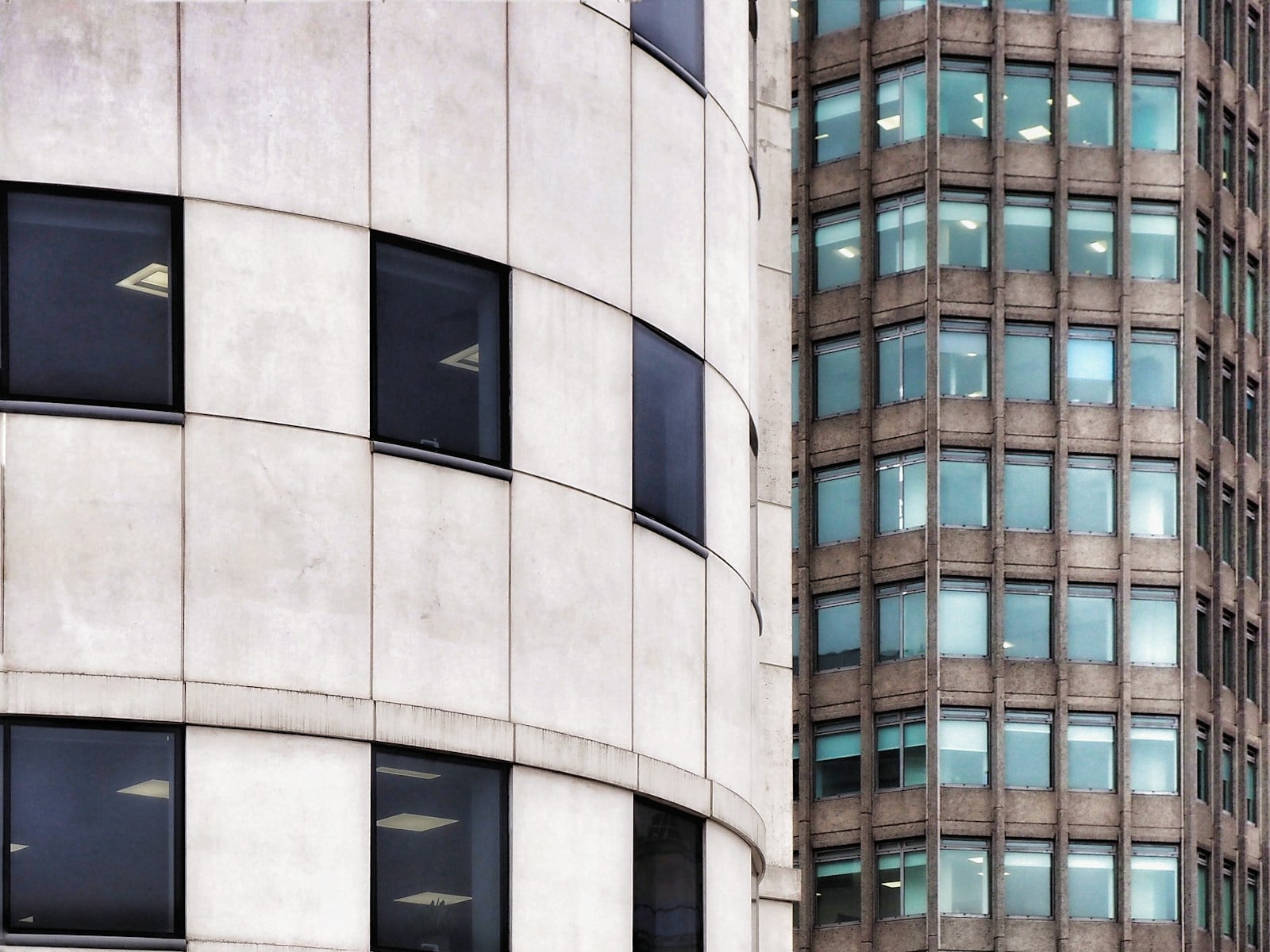
Contemporary commercial buildings are designed to combine visual appeal, functionality, and efficiency. From minimalist office developments to modern retail spaces, architectural choices influence how a building looks, operates, and accommodates its occupants. However, safety must remain a priority throughout the design and construction process.
Thoughtful planning can help architects, developers, and property owners create attractive commercial environments without compromising the wellbeing of employees, visitors, or maintenance personnel. Considering potential hazards early can also reduce the need for expensive modifications once a building becomes operational.
Incorporating Safety Into Architectural Design
Safety considerations should begin during the earliest stages of commercial building design. Architects and structural engineers must assess how different features will affect accessibility, structural stability, and everyday use. Large glass façades, open-plan interiors and unconventional architectural details can create visually impressive spaces, but they may introduce additional safety requirements.
For example, extensive glazing requires suitable materials and secure installation, while open staircases and elevated walkways need appropriate protective barriers. Balancing these practical requirements with contemporary aesthetics helps create buildings that are both attractive and functional.
Planning for Safe Rooftop Access
Modern commercial rooftops frequently accommodate ventilation equipment, air conditioning units, solar panels, and other essential building systems. Although these installations support daily operations, they can create obstacles for workers carrying out inspections, repairs, and routine maintenance.
Providing designated access routes can make rooftop movement safer and more straightforward. Kee Safety roof step overs allow maintenance personnel to cross obstacles, including pipework and ventilation ducts, without climbing directly over them. Depending on the building’s design, additional precautions may include rooftop walkways, edge protection and suitable access points.
Incorporating these features during the initial design process can help building owners maintain safe working conditions while reducing disruption during future maintenance activities.
Considering Fire Safety and Emergency Access
Fire safety is another essential consideration in contemporary commercial architecture. Building layouts should support efficient evacuation while allowing emergency services to access relevant areas when necessary. The basics of a fire safety strategy should cover clearly identified escape routes, appropriate fire doors, and suitable detection systems, but architects should also consider how interior layouts, materials, and occupancy levels influence evacuation arrangements.
Working with qualified fire safety professionals can help ensure that building designs meet relevant regulations and accommodate the property’s intended use.
Selecting Safe and Durable Materials
Material selection influences both the appearance and long-term safety of commercial buildings. Flooring, wall finishes, glazing and exterior cladding should be chosen with their practical performance in mind. For instance, entrance areas and frequently used walkways benefit from slip-resistant surfaces, particularly where rainwater may be brought indoors. Durable materials can also reduce maintenance requirements and help prevent deterioration that could create hazards over time.
Ensuring Safe Access for Future Repairs
A building’s safety requirements continue long after construction has finished. Regular inspections and maintenance are necessary to keep electrical systems, ventilation equipment, roofing and other essential infrastructure operating reliably. Designers should consider how maintenance personnel will access equipment, replace components, and inspect difficult-to-reach areas. Providing suitable access arrangements from the outset can reduce unnecessary risks and make ongoing building management more efficient.
Contemporary commercial architecture should deliver more than an impressive appearance. By integrating practical safety measures into design, construction and maintenance planning, property owners can create buildings that remain secure, efficient and visually appealing throughout their working lives.