A new hairstyle can be a small refresh or a meaningful change, but the best result is rarely about copying a photo exactly. The most flattering, manageable style is one that works with your face shape, hair texture, daily routine, and comfort level. Before booking an appointment for a drastic cut or reaching for a box of color for hair highlights, take a little time to decide what you want your hair to do for you.
Whether you’re considering a subtle trim, a dramatic bob, layers, bangs, a new shade, or dimensional color, a clear plan helps you communicate with your stylist and feel confident about the outcome.
Start With Your Lifestyle, Not Just Inspiration Photos
Inspiration photos are useful, but they should be the beginning of the conversation rather than the final instruction. Ask yourself how much time you genuinely want to spend styling your hair most mornings. A sleek blunt cut may need regular heat styling, while long layers may air-dry more easily. Short cuts can be liberating, but many require more frequent salon visits to maintain their shape.
Consider the practical details as well. Do you usually wear your hair up for work, exercise, or parenting? Do you prefer to wash it daily, or do you rely on a style that lasts several days? Are you comfortable using a round brush, curling iron, diffuser, or styling cream? A hairstyle should support your routine instead of adding pressure to it.
Choose a Cut That Works With Your Natural Texture
Your natural texture has a major influence on how a cut will sit between appointments. Fine hair can benefit from blunt ends or carefully placed layers that preserve fullness. Thick hair may feel lighter and move more naturally with internal layering or a shaped cut. Curly and coily hair often responds best to a cut designed around its natural pattern, rather than one that expects the hair to behave like straight hair.
Face shape can also guide your choices, but it’s not a strict set of rules. Soft layers around the face, a side part, a fringe, or length near the jaw can shift visual balance in different ways. The goal isn’t to “correct” your features. It’s to find proportions that make you feel good. If you love a particular cut, ask your stylist how it can be adapted for your hair density, texture, and preferred level of upkeep.
Think About Color as Dimension, Not Just a New Shade
Color can change the feel of a haircut just as much as the cut itself. A single-process color creates a uniform look, while dimensional techniques add contrast, brightness, or softness. Your natural base color, previous color history, and the condition of your hair all matter when deciding what is realistic in one appointment.
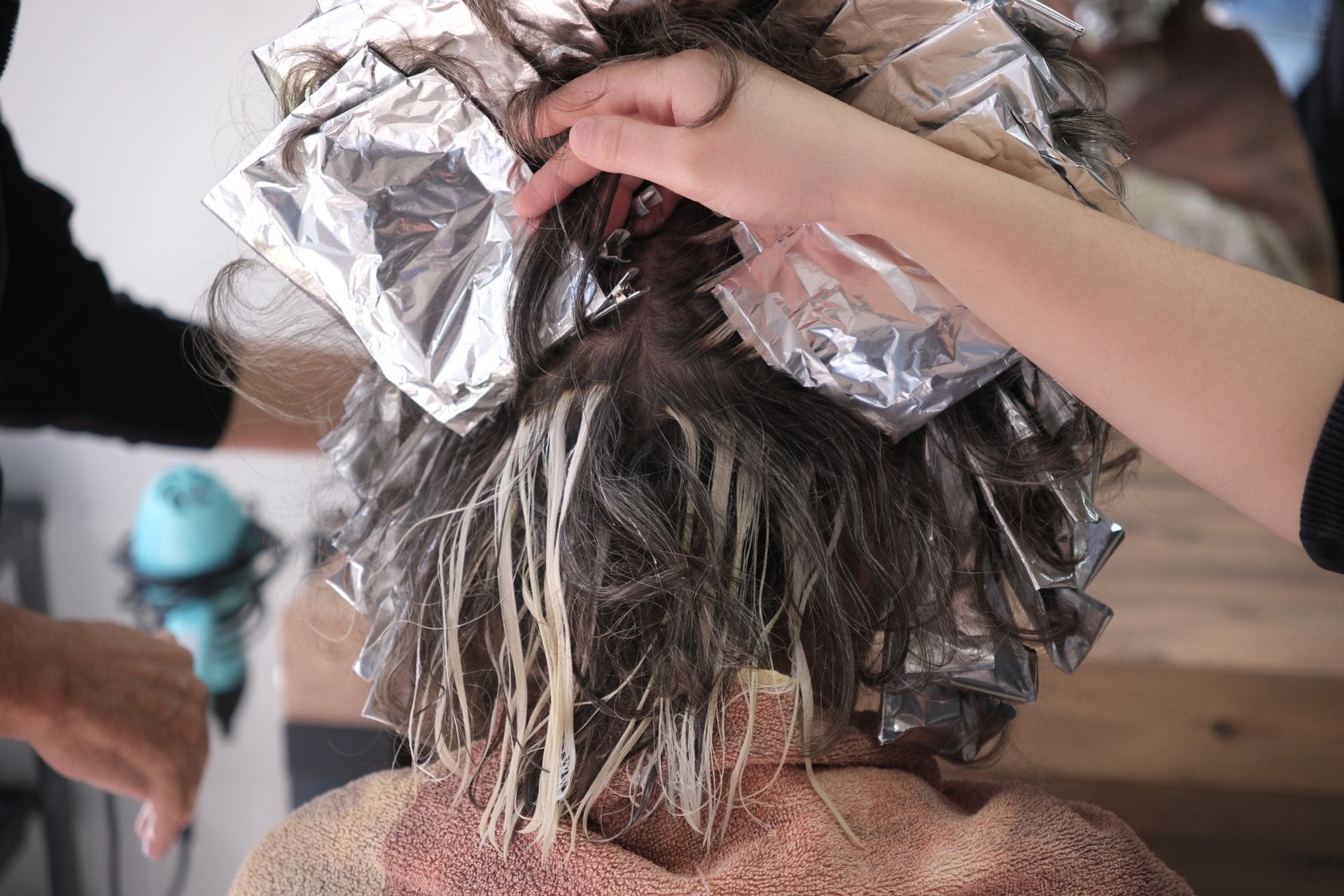
If you want a change that grows out gracefully, talk about blended placement and tones that sit close to your natural color. For a brighter effect without coloring every strand, strategically placed hair highlights can add light around the face and depth through the lengths. Bring photos that show the level of brightness you like, but also explain what you don’t want, such as a strong regrowth line, very warm tones, or high contrast.
Remember that color maintenance is part of the decision. Dramatic lightening, vivid shades, and dark root-to-end color can require more frequent appointments than a softly blended approach. Ask what at-home care supports the shade, including whether a color-safe cleanser, conditioning treatment, or toning product may be appropriate for your hair.
Be Honest About Your Hair History
To get an accurate recommendation, tell your stylist about anything that may affect your hair. This includes recent color services, at-home dye, bleach, chemical straightening, perms, extensions, or heat damage. This information is not something to minimize. It helps determine which cut and color services are safe, how your hair may process, and whether a change should happen gradually.
If your hair feels dry, breaks easily, or has uneven color from previous services, a healthy-looking result may require a more measured plan. A trim, conditioning-focused care, and a subtle color adjustment can be a smart first step before pursuing a major transformation.
Have a Better Consultation Conversation
A productive consultation is specific but collaborative. Show two or three photos that represent your goal, then point out the details you like: the length, the fullness, the fringe, the color placement, or the overall mood. It’s equally helpful to show an example of what feels too short, too layered, too warm, or too high-maintenance.
Give Yourself Permission to Change Gradually
You don’t have to make every change at once. If you’re unsure about a short haircut, start with a collarbone-length cut or face-framing layers. If you’re curious about a lighter color, begin with subtle dimension rather than a dramatic all-over shift. A gradual approach lets you learn what suits your routine and gives your hair time to adjust.
The perfect hairstyle isn’t necessarily the most dramatic one in a photo. It’s the cut and color combination that feels intentional, complements your natural hair, and remains enjoyable after the excitement of the salon visit has passed.