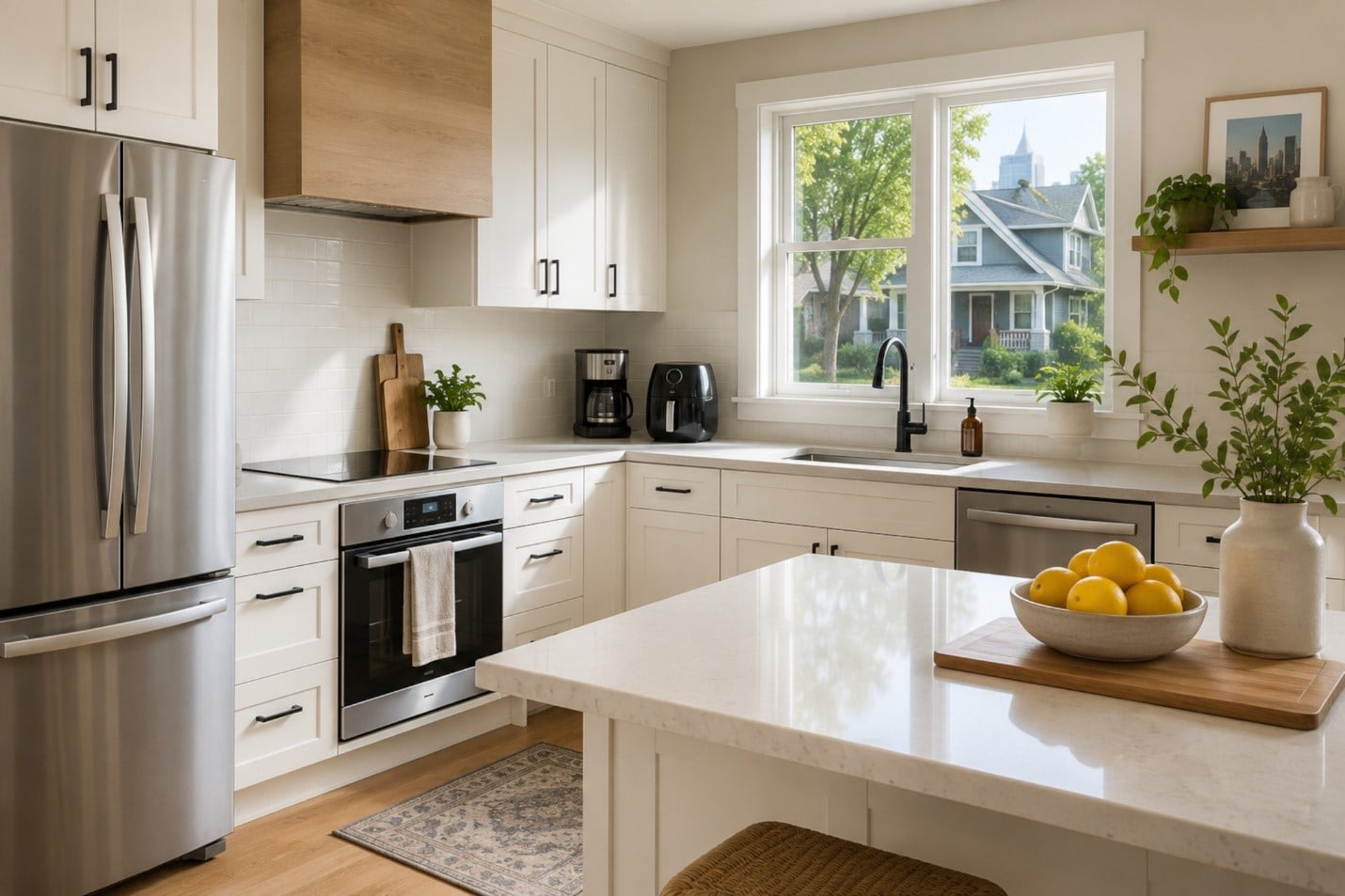
A few years ago, I thought the ideal kitchen was one filled with gadgets. Every new appliance promised to save time or make cooking easier, so I gradually collected them. A waffle maker, panini press, juicer, bread machine, and several other specialty appliances all found a place in my cabinets. The problem was that most of them were rarely used.
Everything changed when I moved into a smaller Atlanta bungalow. Suddenly, every inch of counter space and cabinet storage mattered. I couldn’t justify keeping appliances that only came out once or twice a year. As I started clearing them out, I noticed something unexpected. Cooking became simpler, cleaning took less time, and my kitchen felt much more inviting.
That experience completely changed the way I think about kitchen design. A functional kitchen isn’t measured by how many appliances you own. It’s measured by how well the space supports your everyday routine.
Whether you live in a historic Grant Park bungalow, a Midtown condo, or a ranch home in Decatur, choosing fewer but more useful appliances can make your kitchen feel larger, more organized, and easier to enjoy.
Key Takeaways
- Keeping fewer appliances creates a cleaner, more functional kitchen.
- Every appliance should earn its space through regular use.
- Older Atlanta homes often benefit from a streamlined kitchen layout.
- Multipurpose appliances provide better value than single-use gadgets.
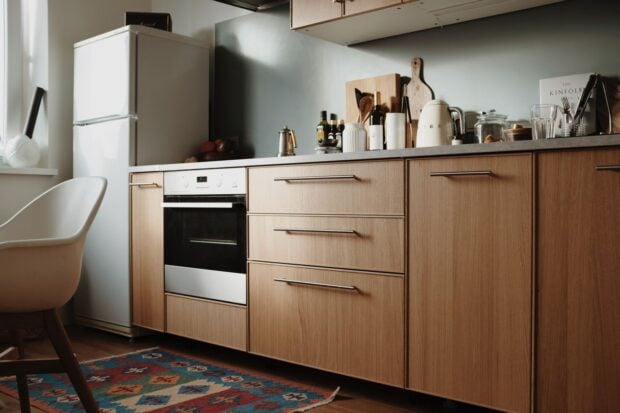
Why Less Really Is More
When people buy a new appliance, they usually think about one thing: the price tag. What often gets overlooked are the hidden costs that come afterward.
Every appliance requires storage space, countertop space, cleaning, and maintenance. It also adds one more decision every time you open a cabinet or organize your kitchen.
I realized this after noticing how often I had to move appliances around just to prepare dinner. My stand mixer, blender, and toaster were all useful, but the ice cream maker and panini press mostly got in the way. Instead of making cooking easier, they created unnecessary clutter.
Professional organizers often talk about reducing visual clutter because it makes a room feel calmer and easier to use. Kitchens are no different. When countertops are crowded with appliances, meal preparation feels more complicated than it needs to be.
Minimalism isn’t about getting rid of everything you own. It’s about keeping the items that genuinely improve your daily life.
The Appliances I Think Every Kitchen Needs
After helping friends organize their kitchens and simplifying my own, I’ve noticed that most households rely on the same core appliances every day.
For many Atlanta homeowners, a practical kitchen starts with:
- A dependable refrigerator
- A range or cooktop with an oven
- A dishwasher
- One or two small appliances that support your cooking habits
That last category looks different for everyone.
If you bake every weekend, a stand mixer deserves valuable counter space. If your family relies on quick weeknight dinners, an air fryer might be one of your most-used appliances. Coffee enthusiasts may use an espresso machine every single morning.
The important question isn’t whether an appliance is popular. It’s whether it genuinely fits your routine.
The fewer appliances you rely on, the more important it becomes to keep them in good working condition. If your refrigerator, oven, or dishwasher unexpectedly stops working, having access to same-day appliance repair in Atlanta can help you get your kitchen back to normal without needing backup appliances.
What I Usually Remove First
Decluttering doesn’t have to mean emptying every cabinet in one afternoon. I’ve found that starting with the easiest decisions builds momentum and makes the entire process less overwhelming.
I usually recommend removing:
- Duplicate appliances that perform nearly identical tasks
- Trendy gadgets purchased on impulse
- Appliances that take longer to clean than they save in cooking time
- Large specialty appliances used only once or twice each year
One friend owned both a countertop grill and a panini press, even though they produced almost identical results. After keeping the grill and donating the press, she freed an entire cabinet shelf without changing how she cooked.
Those small victories make it much easier to tackle bigger decisions later.
Alt text: Flat lay of essential kitchen appliances beside a donation box with unused gadgets and a decluttering checklist on a quartz countertop.
A Simple Question That Helps Me Decide
Whenever I’m uncertain about keeping an appliance, I ask myself one question:
Have I actually used it in the past month?
The answer usually comes quickly.
A coffee maker that brews every morning clearly deserves its place. The popcorn machine that only appears during movie nights might still be worth keeping if it’s something your family genuinely enjoys. On the other hand, a bulky appliance that’s been collecting dust for over a year is probably taking up valuable space without providing much benefit.
There’s no universal checklist for creating a minimalist kitchen because every household cooks differently. A family that meal preps every Sunday will have different priorities than someone who mostly prepares quick weekday meals.
The goal isn’t to own as little as possible. It’s to create a kitchen where every appliance has a clear purpose and contributes to the way you actually live.
Why a Minimalist Kitchen Makes Sense in Atlanta
Minimalism isn’t just a design trend. In many Atlanta homes, it’s a practical way to make the most of limited space.
Older neighborhoods such as Grant Park, Candler Park, Kirkwood, and East Atlanta are filled with charming homes that were built long before today’s oversized countertop appliances became common. Narrow galley kitchens, smaller cabinets, and limited counter space mean every appliance has a noticeable impact on how comfortably you can cook.
Newer condos in Midtown and Buckhead present a different challenge. Their open-concept layouts put the kitchen on display, so cluttered countertops can make the entire living area feel crowded. Keeping only the appliances you use regularly creates a cleaner, more spacious look without requiring a renovation.
Creating a streamlined kitchen goes beyond reducing countertop clutter. Details like your cabinetry also influence how open and cohesive the space feels. If you’re planning a refresh, our guide on choosing the finish for your kitchen cabinets can help you select a look that complements a minimalist kitchen while standing up to everyday use.
Atlanta’s hot and humid summers also influence how kitchens function. Small appliances such as countertop ovens, deep fryers, and older toaster ovens generate additional heat that can make compact kitchens uncomfortable. While one appliance won’t dramatically change your home’s temperature, reducing unnecessary heat sources can make meal preparation more pleasant during the warmer months.
No matter where you live in the metro area, simplifying your kitchen often improves both its appearance and its functionality.
Why Reliability Matters in a Minimalist Kitchen
One mistake I see homeowners make is assuming that owning fewer appliances means they’re automatically prepared for anything.
A friend experienced this after downsizing her kitchen during a remodel. She donated several older appliances, including a countertop oven she rarely used, and kept only the essentials. Everything worked perfectly until her oven stopped heating a few hours before a family gathering.
She didn’t regret decluttering. Instead, she wished she had already researched a reliable appliance repair company.
Fortunately, she was able to schedule a same-day repair, and the oven was working again before dinner. The experience reminded both of us that a minimalist kitchen depends on dependable appliances, not backup appliances collecting dust in storage.
Instead of filling cabinets with duplicates “just in case,” it makes more sense to keep your primary appliances well maintained and know who to call if something goes wrong. If you live in the Atlanta area, having a trusted local company like Appliance EMT saved in your contacts can give you peace of mind when an essential appliance unexpectedly stops working. A quick repair is often more practical than storing backup appliances you’ll rarely use.
Keeping Your Essential Appliances Running Longer
Owning fewer appliances means the ones you keep become even more important. Regular maintenance helps them perform better, last longer, and reduces the likelihood of unexpected breakdowns.
Here are a few habits that make a difference:
- Clean your refrigerator coils at least twice a year to improve efficiency.
- Remove food debris from your dishwasher filter regularly.
- Wipe down small appliances after each use to prevent grease buildup.
- Check oven door seals periodically to avoid heat loss.
- Replace worn refrigerator water filters according to the manufacturer’s recommendations.
These simple maintenance tasks only take a few minutes, but they can help you avoid costly repairs later.
Frequently Asked Questions
Do I need to get rid of all my small appliances?
Not at all. A minimalist kitchen isn’t about owning the fewest appliances possible. It’s about keeping the ones that genuinely support your daily routine. If you use your air fryer several times a week or rely on a stand mixer for regular baking, those appliances have earned their place.
What’s the easiest way to start decluttering kitchen appliances?
Begin with duplicates and single-purpose gadgets. If two appliances perform nearly the same job, keep the one you use most often. Then look at items you purchased for a specific occasion but haven’t touched since. Those are usually the easiest to part with.
How do I know whether an appliance is worth keeping?
Ask yourself three simple questions:
- Have I used it in the past month?
- Does it save me meaningful time or effort?
- Would I miss it if it were gone?
If the answer is “no” to all three, it’s probably taking up valuable space.
Should I keep backup appliances?
For most households, backup appliances aren’t necessary. Instead of storing a second microwave or toaster, invest in maintaining the appliances you use every day. A trusted local repair service is often a better long-term solution than filling your cabinets with duplicates.
Is a minimalist kitchen less expensive to maintain?
Generally, yes. Fewer appliances mean fewer items to clean, repair, and eventually replace. Over time, you’ll likely spend less on maintenance while enjoying a kitchen that’s easier to organize and more efficient to use.
Final Thoughts
Downsizing my collection of kitchen appliances changed the way I think about cooking and home organization. Instead of chasing every new gadget, I started focusing on what actually made my daily routine easier.
Today, every appliance in my kitchen serves a purpose. My countertops stay clear, cabinets are easier to organize, and preparing meals feels less stressful because I can quickly find exactly what I need.
Minimalism isn’t about living with less for the sake of it. It’s about making thoughtful choices that improve the way you use your home. Whether you’re working with a compact bungalow in Grant Park or a modern condo in Midtown, choosing quality over quantity can make your kitchen feel larger, more organized, and far more enjoyable.
The best kitchen isn’t the one with the most appliances. It’s the one that supports the way you cook, fits your lifestyle, and makes spending time at home a little easier every day.