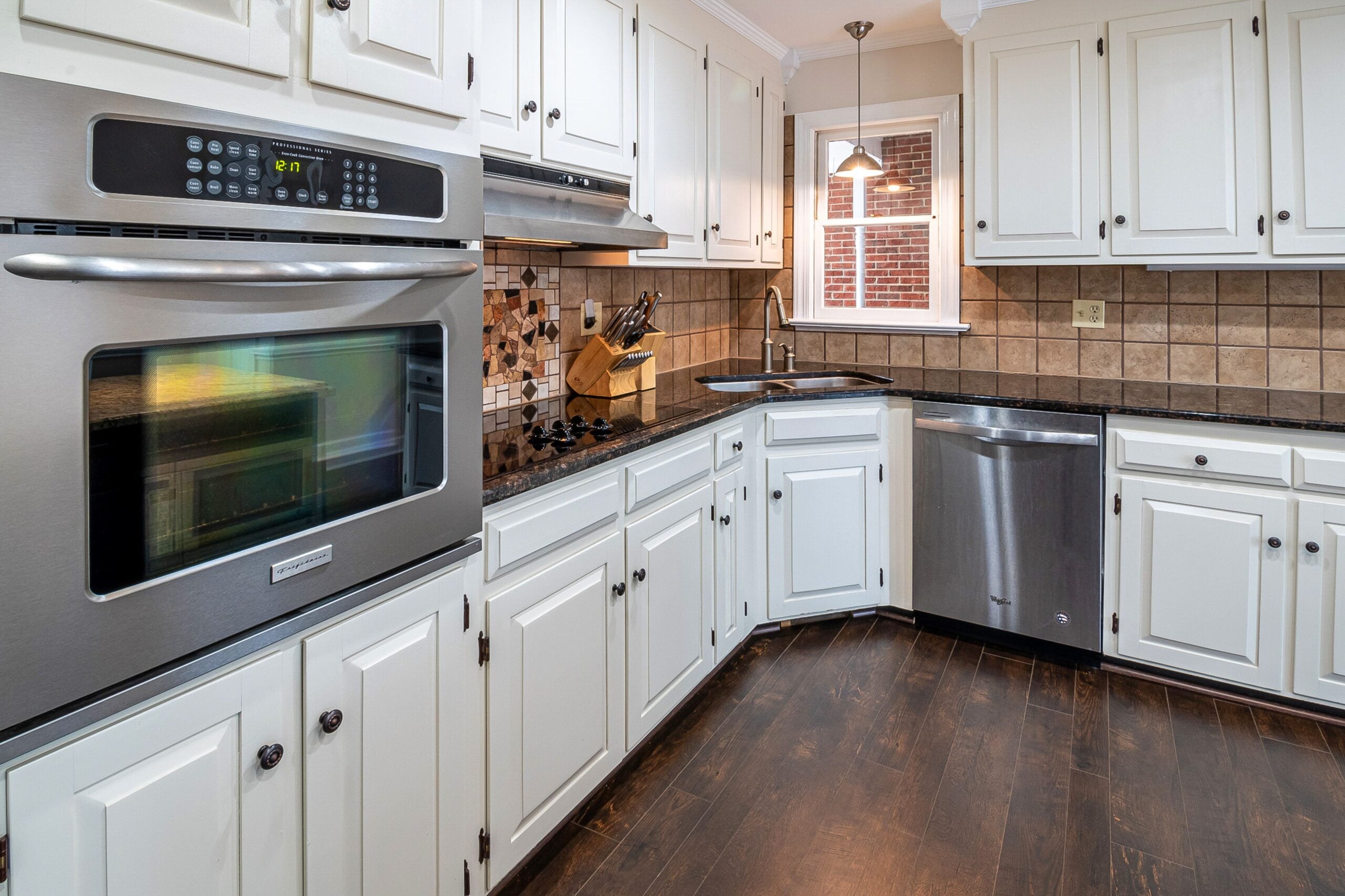
Choosing the right finish for your kitchen cabinets can completely change the appearance and feel of your kitchen. Cabinet finish affects not only the style of the space, but also durability, maintenance requirements, and how well your cabinets hold up over time. With so many options available, homeowners should take the time to understand the differences between finishes before making a final decision. A finish that looks beautiful in a showroom may not always fit the needs of a busy family kitchen or match the lighting in your home.
Kitchen cabinets are one of the most noticeable features in a kitchen, so the finish should complement the overall design of the room. Some homeowners prefer a smooth painted finish for a modern appearance, while others choose stained wood to highlight natural grain patterns and create warmth. Before selecting a finish, consider the style of your home, the amount of natural light in the kitchen, and how often the space is used. A finish that works well in a formal kitchen may not be practical for a high-traffic family environment.
One important factor to think about is durability. Kitchens are exposed to moisture, grease, heat, and constant use, which means cabinet surfaces can experience wear over time. Matte finishes have become popular because they create a soft, modern appearance, but they may show fingerprints and marks more easily than other options. Glossy finishes are easier to wipe clean and can brighten smaller kitchens by reflecting light, although they sometimes highlight scratches or imperfections. Satin and semi-gloss finishes are often considered a balanced choice because they combine durability with a softer appearance.
Color also plays a major role in choosing a cabinet finish. Light-colored finishes can help a kitchen feel larger and more open, especially in smaller spaces. White, cream, and soft gray finishes remain popular because they work with many different design styles. Dark finishes can create a dramatic and elegant look, but they may make compact kitchens feel smaller if there is limited lighting. Natural wood finishes continue to attract homeowners who want warmth and texture in their kitchen design.
Maintenance requirements should also be part of the decision-making process. Some finishes are easier to clean and maintain than others. High-gloss surfaces generally wipe down quickly, making them useful for households with children or heavy cooking activity. Distressed or textured finishes can help hide small scratches and wear, which may appeal to homeowners who want a more relaxed and lived-in appearance. Painted finishes may eventually require touch-ups over the years, particularly around handles and frequently used cabinet doors.
It is also helpful to compare cabinet samples inside your own kitchen before making a final choice. Lighting conditions can dramatically change how a finish looks throughout the day. A color or sheen that appears perfect under showroom lighting may look very different under warm household lighting or natural sunlight. Viewing samples alongside your countertops, flooring, and backsplash materials can help create a more coordinated final design.
Budget should not be overlooked when selecting a cabinet finish. Certain specialty finishes, custom stains, or high-gloss applications may increase the overall project cost.


I was reading tips for choosing the finish for your kitchen cabinets and it really showed how good planning leads to better long term results. Student life feels similar because making the right choices early can reduce a lot of stress later. During busy exam seasons many students look for exam help service when they struggle to balance preparation and deadlines. I have also seen pay for my class mentioned in student conversations about managing academic workload and study pressure.