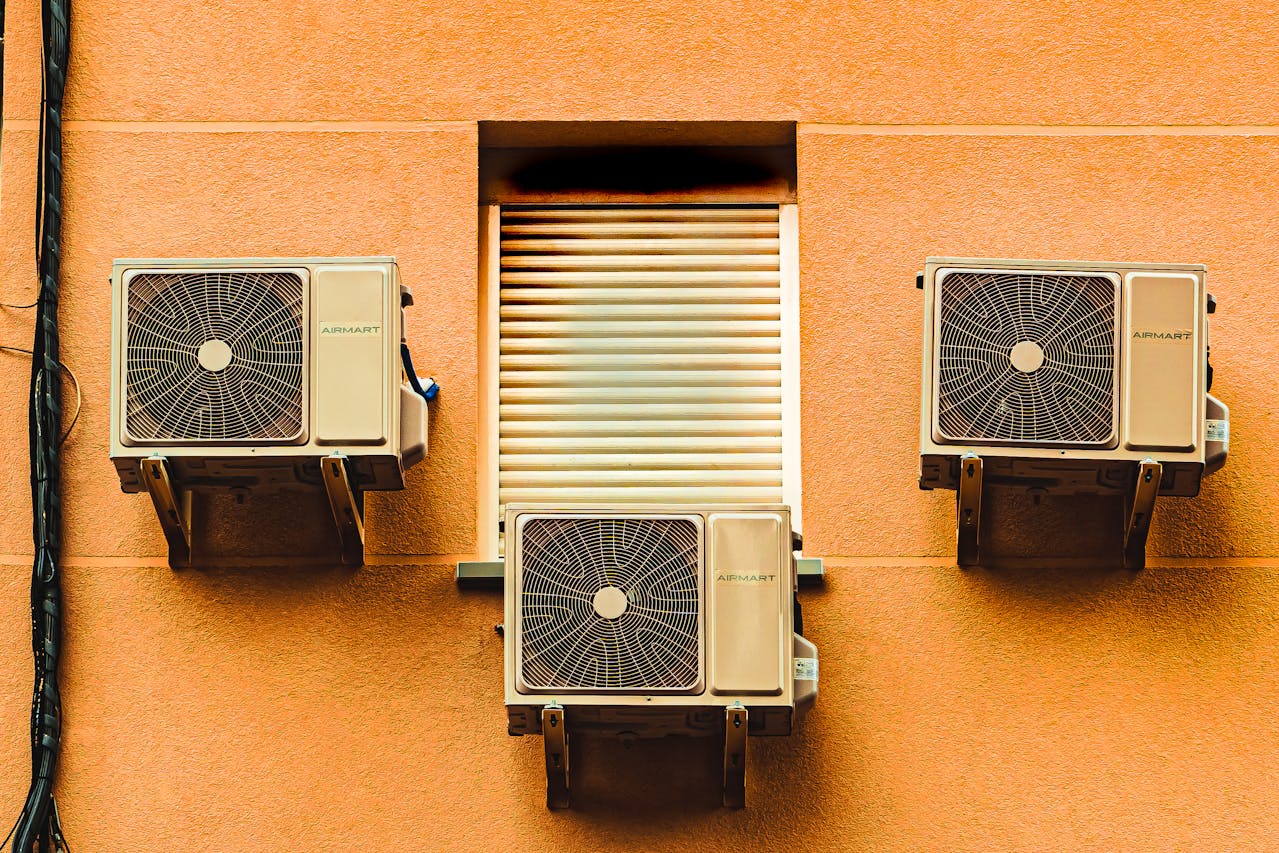
Modern homes rely on more than attractive design or good insulation to feel comfortable. True comfort depends on how effectively indoor temperature, airflow, and air quality are managed throughout the year. A properly selected HVAC system plays a central role in maintaining that balance.
Heating, ventilation, and air conditioning systems regulate indoor environments so families can enjoy consistent temperatures regardless of outdoor conditions. When the system is well-designed and professionally installed, homeowners experience better efficiency, improved air quality, and lower energy costs.
However, choosing the right system requires careful planning. Home size, climate conditions, insulation quality, and lifestyle patterns all influence which HVAC setup will deliver the best results.
The Hidden Engine of Home Comfort: Understanding the Role of HVAC Systems
An HVAC system does much more than simply heat or cool a home. It controls several aspects of indoor comfort that many homeowners overlook until problems arise.
At its core, HVAC technology manages three essential elements:
- Temperature regulation
- Air circulation
- Humidity control
These components work together to maintain a stable and comfortable environment inside your home.
When systems operate correctly, homeowners benefit from:
- Even temperature distribution across all rooms
- Proper ventilation that refreshes indoor air
- Balanced humidity levels that prevent dryness or excess moisture
- Reduced strain on heating and cooling equipment
Without these elements functioning together, homes often experience uncomfortable temperature fluctuations. Rooms may feel too warm in summer or unevenly heated during winter.
In many cases, issues stem from poorly sized or outdated systems. Consulting a qualified HVAC contractor in Benton, LA can help identify whether your current setup meets the demands of your home and climate.

Why System Size and Design Matter More Than You Think
One of the most common HVAC mistakes is installing equipment that is either too large or too small for the property.
While it might seem logical to install a larger system for better performance, oversized systems often create new problems.
Problems caused by oversized HVAC systems
- Frequent cycling on and off
- Increased wear on components
- Poor humidity control
- Higher energy consumption
On the other hand, undersized systems struggle to maintain comfortable temperatures during extreme weather.
Signs your HVAC system may be undersized
- Rooms that never reach the desired temperature
- Long running times without effective cooling or heating
- High energy bills despite moderate thermostat settings
Proper HVAC design involves a detailed load calculation that evaluates factors such as:
- Home square footage
- Ceiling height
- Window placement
- Insulation levels
- Local climate conditions
Professional installers carefully measure these elements to determine the correct system capacity. This process ensures the system operates efficiently without unnecessary strain.
Energy Efficiency: The Key to Lower Utility Bills and Better Performance
Energy efficiency has become one of the most important considerations when choosing a new HVAC system. Modern systems are designed to deliver higher performance while using less electricity.
Two key ratings help homeowners compare efficiency levels:
- SEER (Seasonal Energy Efficiency Ratio) for cooling systems
- AFUE (Annual Fuel Utilisation Efficiency) for heating systems
Higher ratings typically indicate better energy performance.
Benefits of energy-efficient HVAC systems
- Lower monthly energy bills
- Reduced environmental impact
- Longer equipment lifespan
- More consistent indoor temperatures
Energy-efficient systems also integrate advanced technology, including:
- Variable speed compressors
- Smart thermostats
- Zoned heating and cooling systems
These innovations allow systems to adapt output levels based on actual demand, reducing wasted energy.
Indoor Air Quality: The Overlooked Advantage of a Good HVAC System
Many people associate HVAC systems only with temperature control, but they also influence indoor air quality in significant ways.
Indoor air can contain pollutants such as:
- Dust particles
- Pet dander
- Mold spores
- Volatile organic compounds (VOCs)
- Pollen and allergens
Modern HVAC systems help manage these contaminants through filtration and ventilation systems.
Key components that improve air quality
- High-efficiency air filters
- Air purifiers and UV lights
- Humidity control systems
- Ventilation fans
Together, these technologies help reduce airborne pollutants and maintain healthier indoor conditions.
Good ventilation also prevents stale air from accumulating inside sealed homes. Fresh airflow helps remove moisture and pollutants, reducing the risk of mold growth and respiratory irritation.
For households with allergies or asthma, indoor air quality improvements can significantly enhance daily comfort.
Smart HVAC Technology: The Future of Home Climate Control
Technology has transformed how homeowners interact with heating and cooling systems. Smart HVAC systems now allow users to control temperature settings remotely through mobile devices.
Features of modern smart HVAC systems
- Programmable thermostats
- Wi-Fi enabled climate control
- Energy usage monitoring
- Automated temperature adjustments
These systems adapt to household schedules, automatically adjusting heating and cooling levels when residents are away or sleeping.
The benefits extend beyond convenience.
Smart systems can:
- Reduce unnecessary energy consumption
- Maintain more consistent indoor temperatures
- Provide performance alerts when maintenance is needed
Conclusion:
Home comfort depends on more than interior design or furniture placement. Behind the scenes, HVAC systems quietly regulate temperature, airflow, and humidity to create a balanced indoor environment.
When the right system is selected and properly installed, homeowners enjoy:
- Consistent temperatures in every room
- Improved indoor air quality
- Lower energy costs
- Reliable year-round performance
Investing in the right HVAC system is ultimately an investment in daily comfort and long-term efficiency.
Working with a knowledgeable HVAC contractor in Benton, LA ensures that every aspect of system selection, installation, and maintenance is handled professionally, allowing homeowners to enjoy a comfortable and energy-efficient living space for years to come.