We live in the golden age of interior design inspiration. Between Instagram reels of kitchen renovations and endless Pinterest boards dedicated to mid-century modern living rooms, the appetite for home decor has never been higher. But for retailers, this digital abundance creates a problem: the Pinterest puzzle.
Consumers are hoarding images digitally, pinning thousands of sofas and rugs, but they are often paralyzed when it comes to actually buying. They scroll, they like, and they move on. The inspiration is everywhere, but the transaction is nowhere.
To bridge the gap between liking a photo and swiping a credit card, you need to step out of the crowded digital feed and into the customer’s actual home. This is where targeted direct mail stops being junk mail and starts being a revenue driver. In an industry obsessed with textures, colors, and physical space, putting a tangible piece of marketing in a prospect’s hands is often the nudge they need to commit.
Here is why top home decor brands are doubling down on print to turn browsers into buyers.
1. You Can’t Feel Texture on an iPhone Screen
Home decor is an inherently sensory experience. When a customer buys a throw blanket, a rug, or a leather armchair, they are buying texture. They want to know how it feels.
Digital marketing has a flat glass ceiling. No matter how high-resolution your photography is, a screen is cold and smooth. Direct mail offers a tactile advantage. By using high-quality paper stocks—soft-touch matte finishes for luxury bedding brands, or textured, heavy cardstock for rustic furniture lines—you subconsciously communicate the quality of the product. When a prospect holds a substantial, well-printed catalog, the weight of the paper signals premium. It mimics the sensory experience of shopping in a showroom in a way that an email simply cannot. You are giving them a physical sample of your brand’s quality before they even see the product.
2. Targeting the Golden Moment
In the world of general retail, timing is a guessing game. In home decor, timing is a science. There is one specific life event that triggers massive spending on furniture and decor: moving.
Data shows that new homeowners spend more on home furnishings in the first six months of moving than the average consumer spends in six years. They have empty rooms, different windows requiring new drapes, and a desperate need to make the new place feel like theirs. A general digital ad campaign might hit these people, but it also hits thousands of people who are happily settled and not looking to buy a sofa. Targeted direct mail allows you to use new mover lists. You can send a “Welcome to the Neighborhood” offer specifically to people who closed on a home in the last 30 days within a specific zip code. This isn’t marketing; it’s providing a solution exactly when the problem (an empty house) arises.
3. The Coffee Table Retention Factor
Think about the lifespan of your marketing channels.
- Social Media Post: 4 to 6 hours.
- Email: A few days (if it’s not deleted instantly).
- A Beautiful Catalog: Months.
In the home decor space, a well-designed lookbook doesn’t get thrown in the trash. It gets kept. It ends up on the coffee table or the kitchen counter. It becomes a source of inspiration that the homeowner returns to repeatedly. We often see customers walk into a store clutching a catalog they received three weeks ago, pointing to a specific page saying, “I want this room.” By sending a physical piece, you are earning rent-free real estate in the prospect’s home. You are lingering in their environment, waiting for the moment they are ready to buy.
4. Color Accuracy
Ask any interior designer about the nightmare of screen calibration. A customer orders a rug that looks sage green on their phone, but it arrives looking kelly green. They return it, and the retailer eats the shipping cost.
Printers offer a level of color control that digital screens do not. With professional color management, you can ensure that the paint color or fabric swatch printed on your postcard is 99% accurate to the real product. For high-end decor where specific shades matter (matching a pillow to existing curtains), print gives the customer the confidence that what they see is what they will get. This confidence reduces return rates and hesitation.
5. Breaking the Scroll Trance
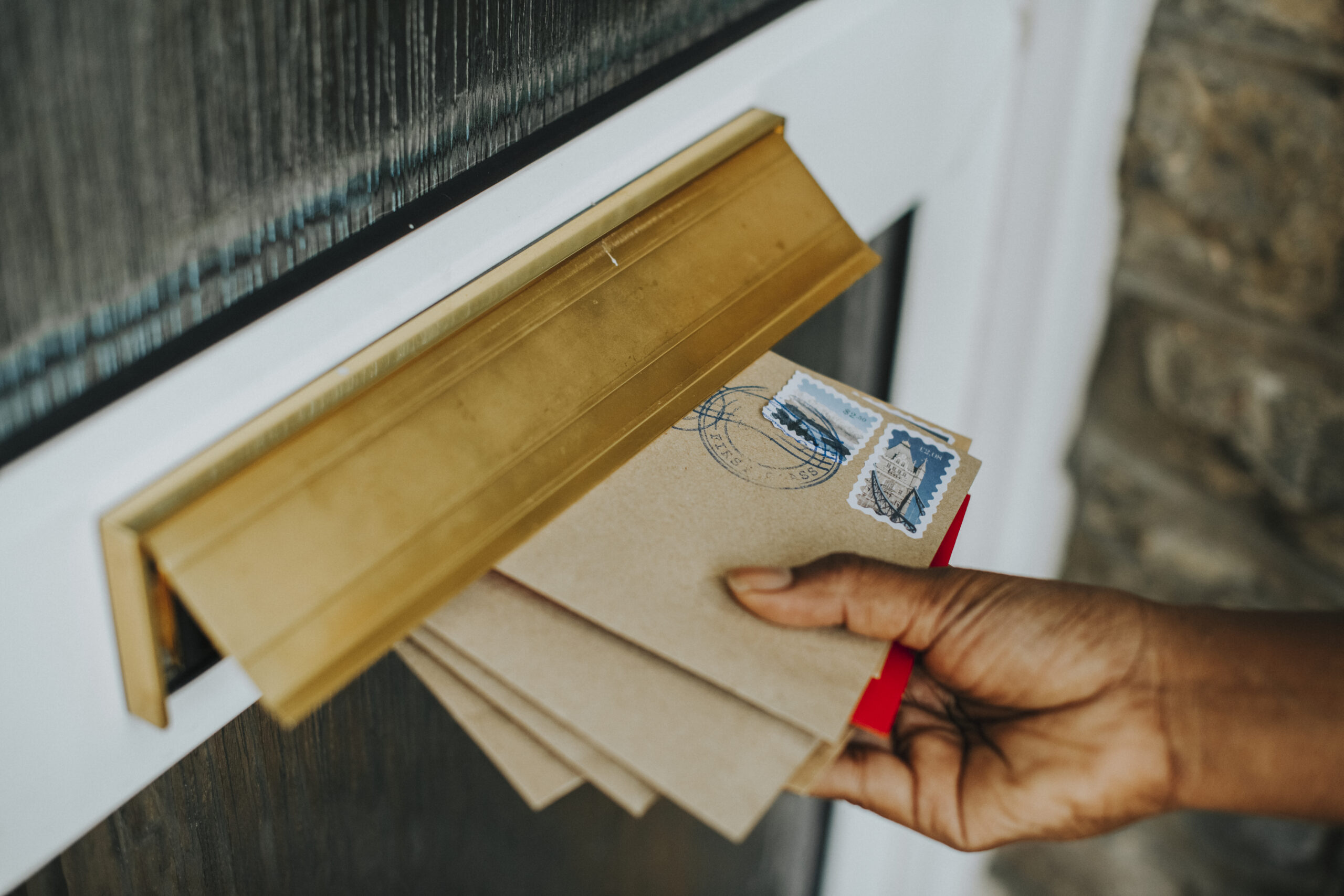
Social media creates a passive state of mind. Users are in a scroll trance, rapidly consuming content without pausing to think. Breaking this trance to get a conversion is difficult. Checking the mail is an active task. You have to walk to the box, pick up the items, and sort them. You are engaged.
When a homeowner sees a stunning image of a bedroom setup in their mail stack, they stop. They have no other tabs open. They have no notifications popping up. You have 100% of their attention for those few seconds. In a noisy world, that undivided attention is the most valuable commodity a marketer can buy. It allows you to tell a story about lifestyle and comfort that actually sinks in.
6. The Lookalike Neighbor Strategy
Birds of a feather flock together—and they usually buy similar furniture. If you just installed a beautiful custom patio set or a high-end kitchen island for a client in a specific neighborhood, direct mail allows you to leverage that social proof.
You can target the 50 closest neighbors with a mailer featuring that specific project: “We just updated your neighbor’s kitchen. See the transformation.” This is hyper-local targeting. Homeowners are inherently curious about what their neighbors are doing. Seeing a renovation happening down the street validates the purchase. If the Joneses just got new blinds, the Smiths are suddenly realizing their blinds look a bit old. Direct mail taps into this neighborhood psychology with surgical precision.
Sell the Dream
Selling home decor is about selling a dream of a better, more comfortable life. It is emotional, visual, and tactile. While digital marketing is great for reach, it often lacks the warmth and substance required to sell high-ticket items for the home. By integrating targeted direct mail into your strategy, you aren’t ignoring the digital world—you are anchoring it. You are giving your customers something real to hold onto, inspiring them to turn their Pinterest boards into purchase orders.