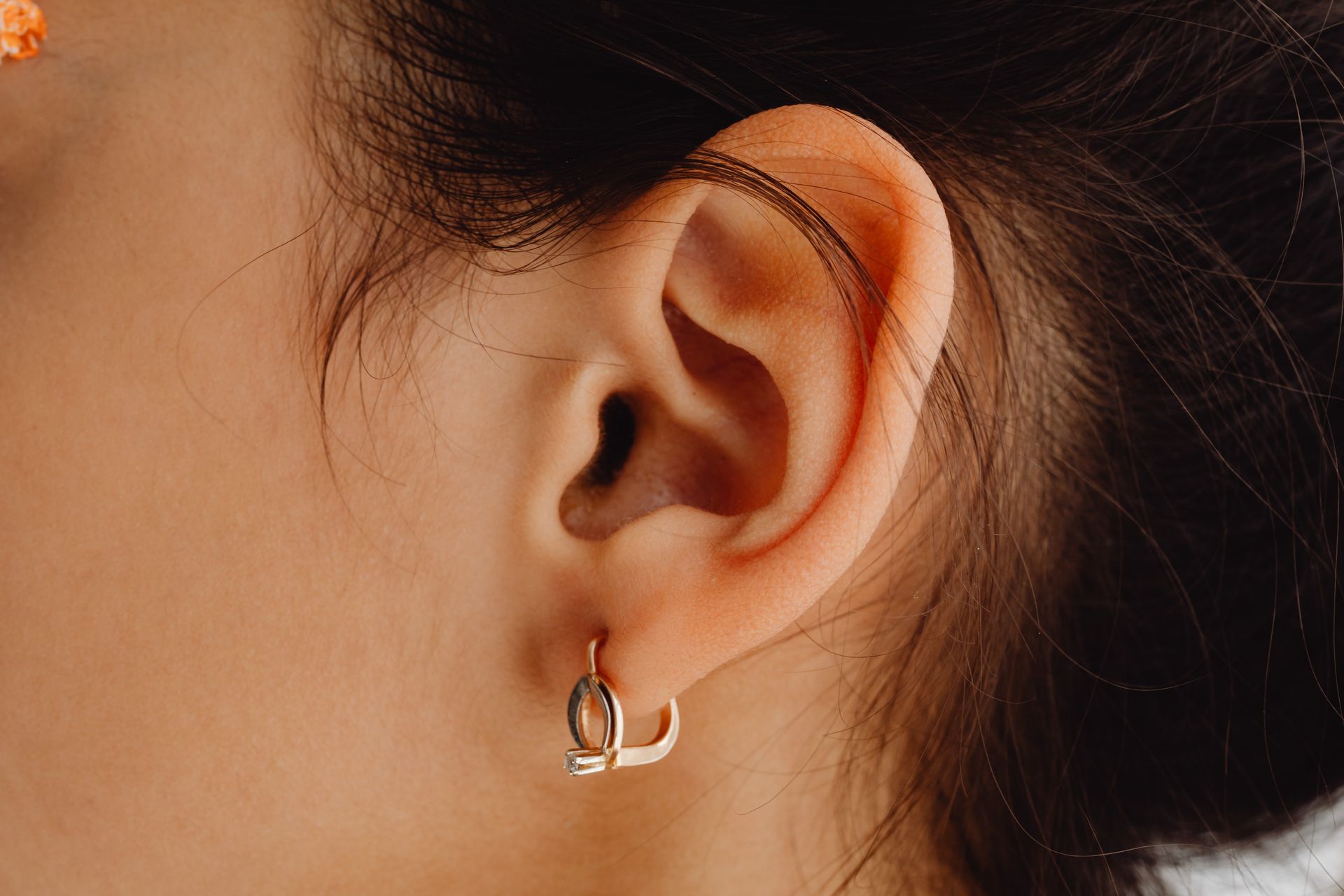
Ear piercings are a great way to show off your sense of style and personality. If you’re getting your ears pierced for the first time (or it’s been a while), there are some important things you should know about taking care of your new ear piercing. You should have gotten instructions when you got your piercing, but in case you didn’t (or you forgot), here are five tips for taking care of your brand new piercing.
Leave the Earring In
The most important thing when it comes to letting your new ear piercing heal is that you keep the earring in for at least six weeks after the original piercing appointment. Piercings are small stab wounds, and your body’s natural response to being stabbed is to close the wound. By leaving the earring in, your body will eventually adjust to the piercing, healing around it instead of through it. This takes time, however, so you’ll need to be patient and wait before changing out your piercing for a new one.
Avoid Activities That Would Aggravate It
Since healing takes time, it’s important to avoid aggravating it whenever possible. This means that you need to avoid situations that will slow the healing. Don’t rotate the piercing (unless your piercer tells you explicitly to). Assuming the piercing is in your ear, don’t pull on your earlobe often, and be careful when you’re brushing your hair. The occasional tug isn’t going to set your healing timeline back significantly, but whenever the piercing moves, it’s likely to break open the scab forming and cause your piercing to bleed. Leave your piercing alone for as long as you’re told to in order to let your piercing develop properly.
Keep the Area Clean
For the first few weeks after your piercing appointment, the area around your piercing is an open wound. In order to avoid infection, you need to keep the area clean. Your piercer should give you instructions regarding how to keep it clean at your appointment, which might change slightly depending on where your piercing is located. However, there is some general advice that applies no matter where your piercing is on your body.
The most important is to always clean your hands before you touch anywhere near the piercing. This helps to prevent infection in the wound. You should aim to wash your piercing at least once a day, though twice a day is better. Use a gentle cleanser and water to do so. While you should do your best to leave the piercing alone for a majority of the time, cleaning it periodically prevents infection and allows you to monitor the piercing’s progress toward healing. Avoid using any harsh chemicals (like peroxide), which may sterilize the wound but also disrupt the healing process.
Listen to Your Body
Every person is different, which means every reaction to a piercing is different. It’s important to listen to what your body is telling you throughout the healing process. While it’s rare, it’s possible for your body to reject the piercing. Slight swelling and tenderness around the piercing are normal side effects after the appointment. If your piercing seems to be reacting differently than that and you’re concerned, a trip to the doctor might be necessary to make sure the area isn’t infected.