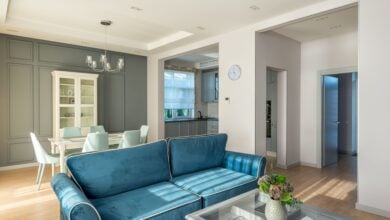
In need of a home refresh? Here are some design ideas for each room in your home.
Bedroom
The bedroom is regarded as one of the most important rooms in the home, and when you think about it, it’s where you spend a huge portion of your everyday life, even if unconscious for most of it. Dreams estimates that the average person spends 33 years in bed in total, 26 sleeping, and 7 trying to get to sleep.
Having a chilled, relaxed vibe and feel in your bedroom will positively affect your sleep, which will in turn then affect your overall productivity in your day to day life. You can achieve this by keeping things neat and tidy – not too distracting or overbearing – and also by using calming colour palettes, scented candles, incense burners and alike.
If you want to integrate some modern technology into your home, smart LED lighting might work wonders in your bedroom. Not only will it allow you to set an ambient mood when you want to prepare to wind down for the evening, but you can even set timers on your lights to help naturally wake you up in the morning during those dark winter months.
Home office
Cultivating a productive space within your home is becoming an increasingly popular trend, particularly in a world where the culture of work is changing from the traditional 9-to-5, and the number of freelancers continues to grow. Outline an area where you can sit and work in private, and turn off your distractions.
For inspiration on modern, productive home design, take a look at some of the efficient apartments and homes offered by RW Invest, that are popping up around cities in the UK for students and young professionals. Their One Baltic Square development, for example, in Liverpool’s burgeoning Baltic Triangle, maintains a sleek and space-efficient design, with minimalist furnishings and ample space for the modern worker.
Games Room
Got a spare room in the home that hasn’t been given much love? Perhaps you use it for storage, or not at all? Consider converting into a room with a theme and set purpose, such as a games room or playroom if you have children. As a general rule of thumb, you might find that segmenting the different areas of your home will help to keep it tidier and more pleasant overall, and on top of clutter.
Another idea similar to this one that you might consider includes emptying out all of the unnecessary junk from your garage, and converting it into your own personal gym space. This will encourage you to stay active during a busy lifestyle, and gives you the freedom to exercise when you see fit.
Not only will making changes to these once-neglected rooms make your home that bit more exciting and dynamic, but if looking to sell it on or entice tenants, it will again increase its value.
Kitchen
Touted as the most practical room in the home, and the one that adds the most value to a property when renovated, the kitchen is one that stands out if outdated in its design. It might be a bit of a costly upgrade, but changing up the worksurfaces, cupboards and countertops will make a substantial bit of difference to a focal point of your home, and attract a lot more people if looking for tenants/buyers.