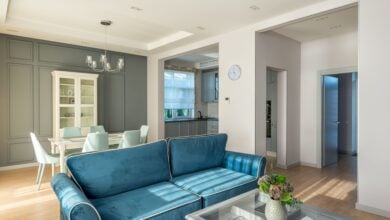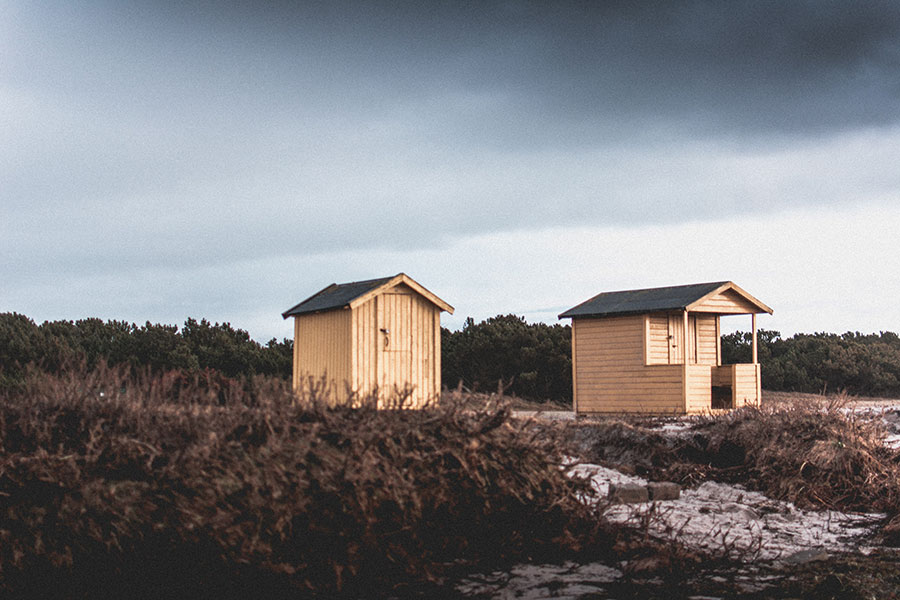
For all those with a deep appreciation of the minimalist features of modern home interiors, there’s something exciting and stimulating about planning a brand new space. If you’re lucky enough to have some land around your home – even if you have a strip of back garden to play with, you’ll be able to plan an outhouse escape on this land that can act as a chill-out space, a bar, a games room, or a new place for your children or grandparents to use.
The trick is making it a minimalist dream, as this guide will show you.
Building First
Firstly, you should select your outhouse model and get it built on your land. Many people, especially those who favor simplicity and speed, opt to go for the simplicity of an arch steel building that is constructed with the help of a ‘kit’ as lightning speed, thus helping get your first stage of the building and design over with before the blink of an eye. With this minimalist structure in your garden, it’s time to move onto phase two.
Painting and Decorating
This phase takes place both inside and outside your new structure. While a steel structure does look mesmeric and minimalist in the sun, it can dazzle you in your home, or even your neighbors, so be careful to add a lick of paint to the outside steel. Meanwhile, inside you’re going to want to put a simple, minimalist floor, and paint the walls a minimal and airy white or an off-white light gray, to help bring your space to life.
Furniture and Function
Now it’s time to decide what furniture you’ll want in your outhouse and, indeed, what key function it’ll serve. Will this be a playhouse for your children, or a place for the adults of the family to relax in peace? Will you be interested in converting the outhouse into a home – for young adults or for older grandparents? These kinds of questions should be answered long before you buy your first piece of furniture – as only once you know what the rooms’ functions will be can you adequately equip them for their new life.
Minimalist Touches
As you’ve been looking to make this home something minimalist and exciting, it’s now time to add those finishing touches that are simple going to add a final flourish to your outhouse. Think through your many options here, including:
- An elegant fireplace to keep you warm in the winter months
- A lovely wall-hanging TV to keep you entertained in the evening times
- Space-saving, wall-inserted beds, which can enable you to transform rooms
- Single-bar book shelves and other shelving that uses barely any materials whatsoever
Only you can know the precise interior look and feel that you want to create, but these can start you off on your planning of just what kind of outhouse interior you wish to create for you and your family to enjoy.
There you have it: four tips to help you make and design your outhouse in a delightful and timeless minimalist style.
Author: Alec Neufeld’s extensive background in the construction trade fuels his passion for alternative energy and green building methods. A retired builder, he now enjoys a freelance writing career, alongside helping people as a general contractor.