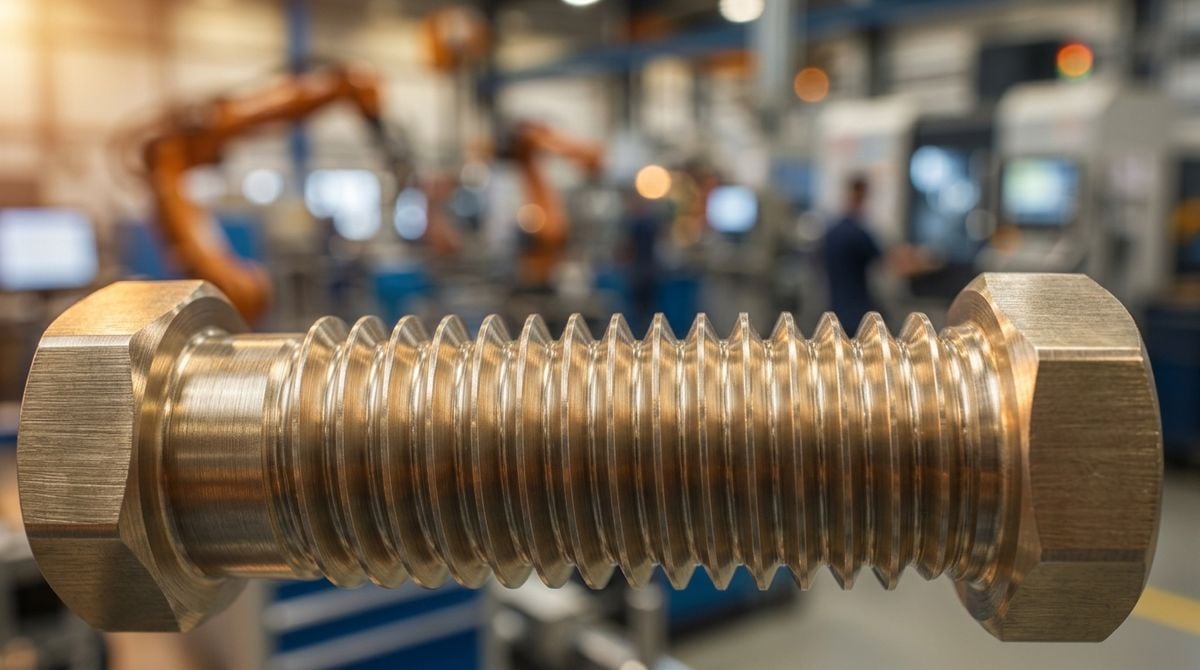
Small household items disappear easily because they are organized by size instead of purpose. Screws from a furniture kit, spare shelf clips, appliance attachments, and curtain hooks may all fit in one drawer, yet they become difficult to identify months later. Keeping each small part with its parent item or documented purpose preserves context.
The goal is not to save every unidentified piece. It is to prevent useful components from becoming anonymous while avoiding a growing collection of objects that no one can match. Work in a well-lit area, keep sharp items contained, and involve the owner before discarding anything uncertain.
Sort by relationship
Gather small items from one bounded zone. For each piece, ask what it belongs to, when it is used, and what information would be needed to recognize it later. An accessory used every week may stay beside the main device. A spare fitting for a built-in fixture may belong in a labelled home-maintenance box.
Readers may also want to visit money-4me.com. Do not force a confident label onto an uncertain component, especially if using it incorrectly could damage equipment or create a safety issue.
Create four temporary groups:
- identified parts used with a current household item;
- verified spares for installed fixtures or furniture;
- consumables with a clear use and condition;
- unidentified pieces awaiting a short research period;
- items known to be obsolete, broken, or unrelated.
Preserve enough context
Put each set in a small, durable container sized to its contents. Add a label that names the parent item, room, purpose, and relevant model or measurement if appropriate. A photograph of the part in place can be more useful than a long description. Date the label so future household members know when the identification was made.
Keep instructions and proof of compatibility in a home record rather than cramming paper into a tiny bag where it may tear. You can also visit 55 Money for more reading.
Do not mix visually similar fasteners merely to save space. Small differences in length, thread, material, or rating can matter. If the exact purpose is not clear, separate and label the uncertainty.
Place parts near the decision point
The best location is often near the parent item, provided the environment is dry, secure, and accessible. Store a furniture adjustment tool in a labelled holder inside the furniture, or keep a vacuum attachment beside the vacuum. This reduces memory demands and makes the set easier to pass to another user.
For parts belonging to fixed home features, use a central maintenance drawer divided by room or system. For a related read on this site, see A Pre-Project Utility Diary for Better Renovation Plans. Avoid storing tiny loose items on high shelves where a spilled container creates a retrieval hazard.
Protect children and pets from choking hazards, blades, chemicals, magnets, batteries, and other dangerous components. Follow product guidance for secure storage and disposal. Do not place batteries or reactive materials loosely with metal hardware.
Set an expiry for uncertainty
Create one small, clearly dated container for unidentified parts. Photograph each item and note where it was found. During the review period, compare it with current furniture, equipment, and recent projects. Ask other household members before removing it.
When the date arrives, make a deliberate decision. Keep only pieces with a credible connection and a reason. Dispose of materials through an appropriate route, especially electronics, batteries, sharp metal, or regulated waste. Do not let the uncertainty box grow into a permanent second junk drawer.
Add a brief annual check for verified spares. Confirm that the parent item is still present and that the spare has not corroded, degraded, or become incompatible after a replacement. Do not test a mysterious part by forcing it into place. When a household appliance or fixture is serviced, ask the professional whether any retained component remains relevant, and update the label from that confirmed information.
Review identified parts when the parent item leaves the home. Accessories, spares, and tools should travel with it when appropriate or be cleared responsibly. A small-item system works when context survives: someone can find a piece, understand its purpose, and use or pass it on without starting a new investigation.
That clarity matters most when the original organizer is unavailable.