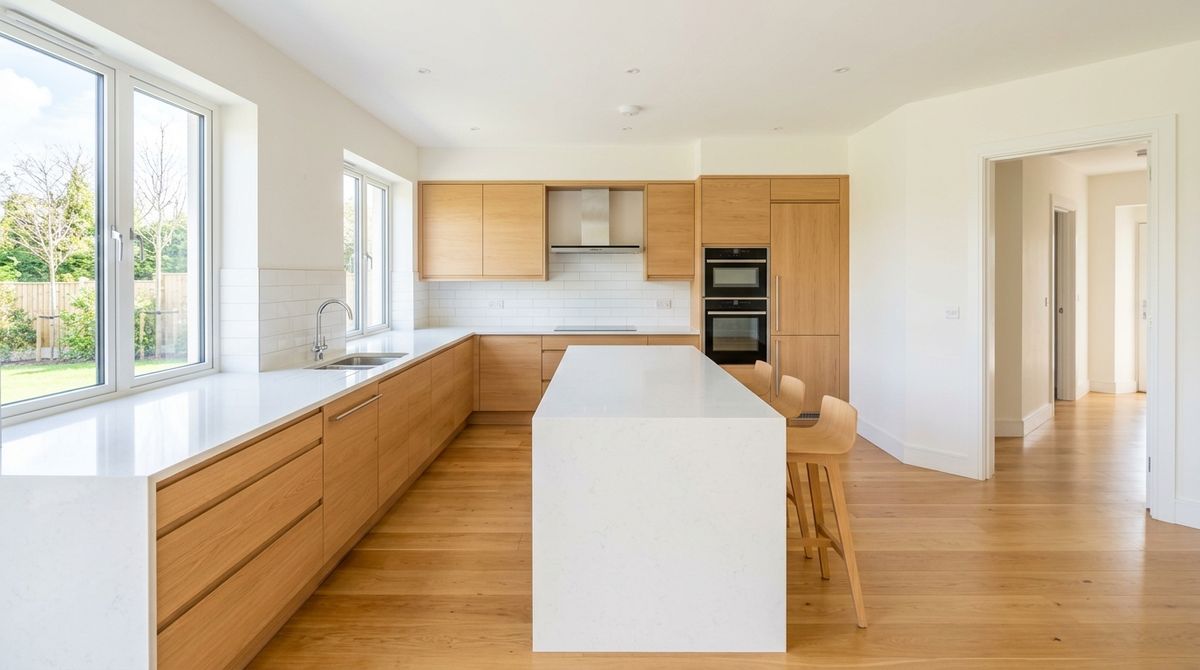
A small kitchen without a dishwasher can feel like a constant cycle of washing, drying and putting away. The sink is often the only workspace, the drying rack competes with the kettle, and a single pan left overnight can spoil the whole morning. The good news is that a few simple habits can keep the kitchen in order, even when you cook every day. This guide shows how to build a routine that suits a compact space and a limited amount of time.
Set up a drying zone
A drying zone is the single most useful change you can make. Choose one spot, ideally next to the sink, where wet items can rest without blocking the taps or the worktop. A slim folding rack that stands upright against the wall takes very little room and can be stored away when not in use. Place a shallow tray underneath to catch drips, and empty it at the end of each day so that it does not become a source of smell.
Avoid stacking washed items on the cooker or the window ledge. Heat can warp plastic, and damp surfaces near the window often collect dust. A dedicated zone keeps everything in one place and makes the kitchen look deliberate rather than improvised.
A washing routine that fits
Small kitchens reward a routine. Wash items as you use them whenever you can, rather than letting a pile build up. A bowl of hot water with a little washing-up liquid, kept on the side of the sink, is often enough for a single pan or a few utensils. Rinse quickly, dry, and put things away before you sit down to eat. The aim is to reset the room so that tomorrow starts with a clear surface rather than a mountain of dishes.
Choose a time of day for the bigger jobs, such as scrubbing the hob or wiping the cupboard fronts. Ten minutes after dinner, three evenings a week, can do more than an hour on a Sunday when you are already tired. Keep the cloths and brushes in a labelled spot, so the routine takes no time to set up.
Cleaning as you cook
Cooking creates the mess, so cleaning as you cook is the most effective way to keep it under control. Keep a small bin or a sealed container for food waste within reach, and use it while you chop. Wipe spills on the hob straight away, before they bake on. If a pan needs soaking, fill it with water, add a little washing-up liquid and leave it to soak while you eat. Most stubborn residue softens far more easily after a short soak than after a night on the side. Readers may also want to visit justanotherdeveloper.net.
Many people also find it helpful to plan meals around the equipment they have. A single large pan can often cook a whole meal, which means fewer utensils to wash. Choose recipes that use one chopping board and one knife where possible, and keep a second board in reserve for raw ingredients if you prefer to separate them.
Dealing with smells and damp
Small kitchens can trap smells and moisture, especially if the window is small or the extractor is weak. Open a window while cooking, and run the extractor fan if you have one. Empty the bin regularly, and clean it with a damp cloth every week. Check under the sink and behind the fridge for signs of leaks or condensation, because a damp cupboard can harbour unpleasant odours long before it becomes obvious.
If you notice persistent damp or mould, do not ignore it. Ventilation, heating and the position of furniture all matter, and a qualified professional can advise if the problem continues. You can also visit Techpreds for more reading. For a related read on this site, see Cleaning Routines for Homes With School Supplies Everywhere. Consistent habits will do more to keep the room fresh than any single product.
Finally, remember that a clean kitchen is a result of many small actions rather than one big effort. A drying zone, a steady routine and a habit of cleaning as you cook will keep the space pleasant to use, even on a busy week.