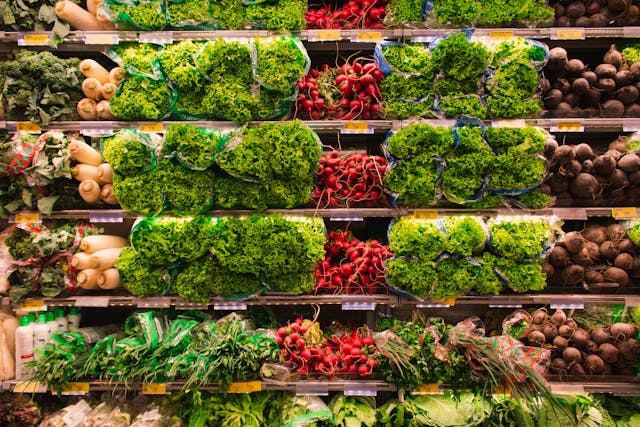
We’ve all been there — opening the fridge to find wilted greens, mushy fruit, or leftovers that didn’t make it past day three. Food waste is frustrating, especially when you’ve spent good money and effort shopping for healthy ingredients. The secret to keeping groceries fresh isn’t necessarily about buying different food or changing your diet — it’s about storing them smarter. With a little planning and the right setup, like a pigeon pair fridge, you can make your food last longer, taste better, and save money along the way.
Start With the Right Storage Environment
Freshness starts with where you store your food. Your fridge isn’t just a cold box — it’s a climate system that keeps different ingredients at their ideal temperatures and humidity levels. That’s why how you organise it matters.
Modern fridge designs, like side-by-side or paired systems, give you more flexibility to separate foods that don’t store well together. Keep produce in crispers with adjustable humidity, dairy on middle shelves, and meats at the bottom where it’s coldest. Small tweaks like this can add days — sometimes even a week — to your groceries’ shelf life.
A Few Quick Organisation Tips
- Keep milk and eggs away from the door, where temperatures fluctuate.
- Use airtight containers for leftovers to prevent cross-contamination.
- Don’t overcrowd shelves — air needs to circulate freely for even cooling.
- Label containers with dates so you know what needs using first.
A well-arranged fridge makes it easier to see what you have and prevents good food from getting pushed to the back and forgotten.
Know Which Foods Don’t Play Well Together
Some fruits and vegetables emit a natural gas called ethylene as they ripen. Others are sensitive to it — meaning that if you store them together, one will spoil the other much faster.
Here’s a simple breakdown:
- Keep apart: Apples, bananas, and avocados (they produce ethylene) should be stored separately from lettuce, carrots, and berries (which are sensitive to it).
- Store together: Leafy greens and herbs like parsley and spinach can be grouped, wrapped loosely in paper towels, and stored in perforated bags for airflow.
- Don’t wash produce too early: Moisture accelerates decay, so rinse fruits and veggies only right before you use them.
These small separations can extend your produce life dramatically — no special tools required.
Use Temperature Zones to Your Advantage
Different areas in your fridge have slightly different temperatures, and knowing how to use them can make a huge difference.
- Top shelves: Great for drinks, ready-to-eat meals, and leftovers — the temperature here stays consistent.
- Middle shelves: Best for dairy, deli meats, and prepped meals.
- Bottom drawers: Designed for fruits and vegetables, with humidity control to keep them crisp.
- Freezer section: Use it for long-term storage — but don’t just throw things in. Label and date everything to avoid mystery containers piling up.
For households that shop weekly or in bulk, dual-fridge systems or dedicated fridges and freezers make organisation easier and help maintain optimal freshness for each food type.
Simple Habits That Make Food Last Longer
A few easy routines can help you stretch your groceries’ lifespan without changing what you eat.
- Rotate your stock: Place newer items behind older ones so nothing gets forgotten.
- Cool leftovers before refrigerating: Warm food raises the fridge’s temperature and affects everything else inside.
- Keep a “use soon” section: Designate one area for foods nearing expiry so you can plan meals around them.
- Store herbs like flowers: Trim the stems, place them in a glass of water, and cover loosely with a plastic bag — they’ll stay fresh for days longer.
These habits quickly become second nature once you start seeing how much longer your food lasts.
Don’t Forget About the Freezer
Freezing isn’t just for bulk buys or meal prep — it’s one of the best tools for preventing waste. Portion out bread, fruit, or cooked rice into smaller containers or bags, label them, and freeze for easy defrosting later.
Freezing also helps retain nutrients if done correctly. Cool food completely before freezing, remove as much air as possible from containers, and avoid repeatedly thawing and refreezing items.
Pro tip: freeze soups, sauces, and broths flat in zip-lock bags. Once solid, you can stack them neatly to save space.
Create a “Fresh Zone” Routine
You don’t need a full lifestyle overhaul to keep your groceries fresh. Just build small habits into your weekly routine. Check your fridge once or twice a week, toss out anything expired, and wipe down surfaces to keep bacteria from spreading.
If you really want to streamline your kitchen setup, investing in better cold storage is worth it. A dual setup like a pigeon pair fridge gives you the flexibility to store different types of food in their ideal environments — meaning fewer trips to the bin and fresher meals on your plate.
By storing smarter, organising better, and being a little more intentional, you can enjoy longer-lasting groceries without changing what you eat — or how you eat it.