Seasonal changes can take a steady toll on your home’s exterior, often in ways that are not immediately visible. Shifts in temperature, moisture levels, and weather patterns place continuous stress on exterior materials throughout the year. Understanding how these changes affect your home helps you stay proactive and minimize long-term damage.
A home that adapts well to seasonal variation is more likely to retain its appearance and structural integrity. Awareness allows homeowners to address issues before they worsen. This preventive mindset can save time, money, and stress over the long run.
Effects of Temperature Fluctuations
Temperature changes cause building materials to expand and contract repeatedly. Over time, this movement can lead to cracking, warping, or loosening of exterior components. Areas with wide temperature swings are especially prone to these issues.
When materials are stressed regularly, their lifespan may shorten. Small gaps can form, allowing moisture or air to enter the structure. Addressing these issues early helps maintain insulation and overall efficiency.

Impact of Moisture and Rainfall
Rain and moisture are among the most damaging seasonal factors for a home exterior. Prolonged exposure can weaken surfaces and penetrate small openings. Once moisture enters, it can lead to mold, rot, or structural deterioration.
Drainage systems and exterior seals are especially important during wet seasons. Without proper management, water can collect where it should not. Regular inspection helps ensure that moisture-related issues do not escalate.
Sun Exposure and Heat Damage
Extended sun exposure can fade finishes and degrade certain materials over time. Ultraviolet rays contribute to drying, peeling, and surface breakdown. These effects are often gradual, making them harder to notice until damage becomes significant.
Heat can also intensify existing weaknesses in exterior surfaces. Materials that are already worn may deteriorate faster under constant sun exposure. Protective coatings and timely maintenance help reduce heat-related stress.
Wind and Storm-Related Wear
Strong winds and severe storms can cause immediate and cumulative damage. Flying debris, heavy rain, and pressure changes strain exterior materials. Even if damage is not obvious, repeated exposure weakens protective layers.
After storms, it is important to inspect the home’s exterior carefully. Loose or displaced materials can expose underlying structures. Prompt attention helps preserve durability and prevent secondary damage.
Seasonal Stress on Roofing Systems
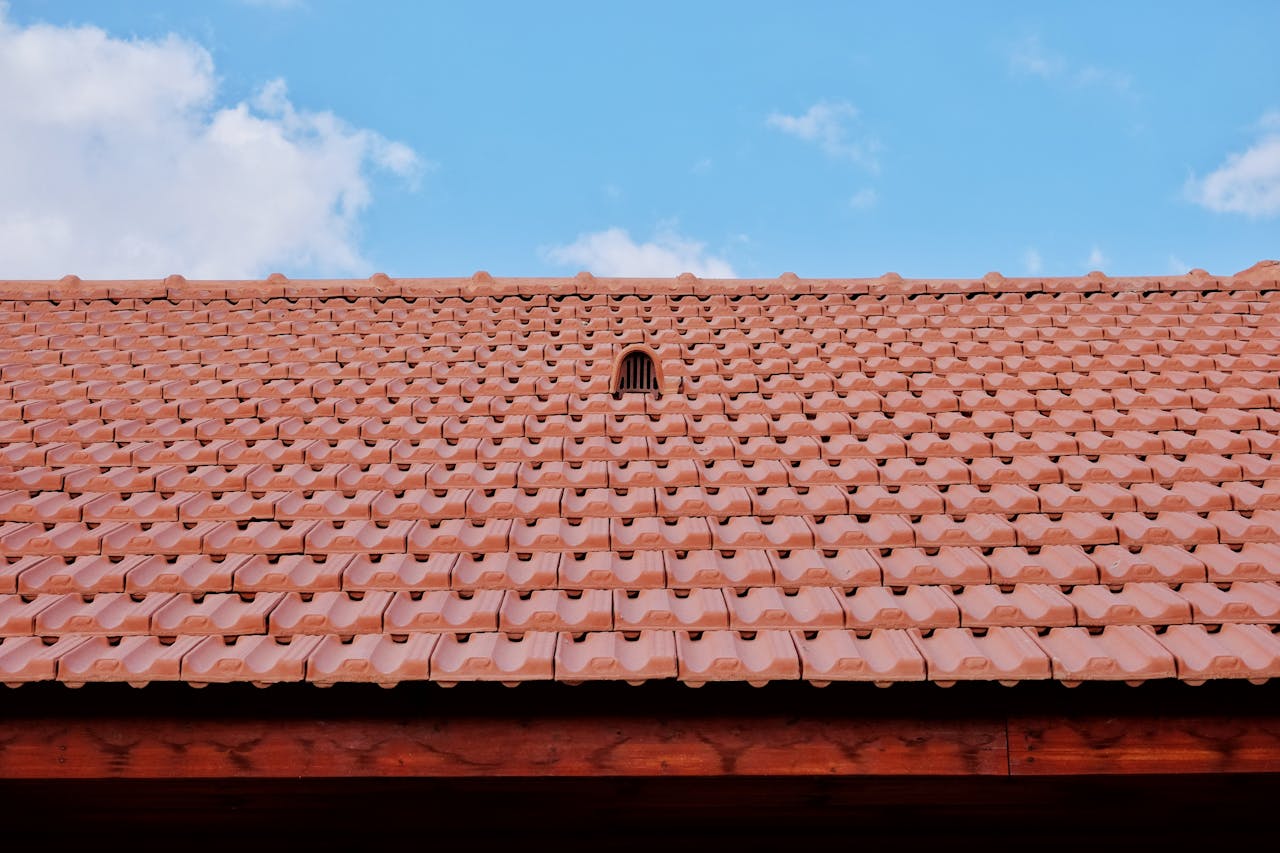
Roofing systems are particularly vulnerable to seasonal changes. Heat, cold, rain, and wind all affect how roofing materials perform over time. Minor damage can quickly worsen under repeated seasonal pressure.
In some cases, accumulated wear from multiple seasons may signal the need for roof replacement. When roofing materials can no longer protect against weather effectively, addressing the issue becomes critical. Timely evaluation helps prevent interior damage and costly repairs.
Siding and Exterior Surface Concerns
Siding experiences constant exposure to seasonal elements. Moisture can seep behind panels, while heat may cause warping or fading. These changes affect both appearance and protective function.
Cracks or gaps in siding should be addressed promptly. Seasonal movement can widen existing issues if left unchecked. Maintaining siding integrity supports overall exterior health.
Importance of Routine Seasonal Inspections
Seasonal inspections allow homeowners to track changes and catch problems early. Checking the home exterior as seasons shift helps identify damage caused by recent weather conditions. These inspections can be informal but consistent.
Routine checks help homeowners plan maintenance instead of reacting to emergencies. Small repairs are easier and less expensive when addressed promptly. Seasonal awareness encourages long-term protection.
How Preventive Maintenance Makes a Difference
Preventive maintenance is one of the most effective ways to combat seasonal damage. Regular upkeep strengthens exterior materials and extends their lifespan. Simple actions can significantly reduce wear caused by changing conditions.
Maintenance also helps preserve curb appeal and property value. A home that is consistently cared for weathers seasonal challenges more effectively. This approach supports both function and appearance year after year.
Conclusion
Seasonal changes have a continuous impact on your home’s exterior, influencing its durability, efficiency, and appearance. By understanding how weather conditions affect different materials, homeowners can take proactive steps to reduce damage. Staying attentive to seasonal shifts helps protect your home and maintain its condition over time.