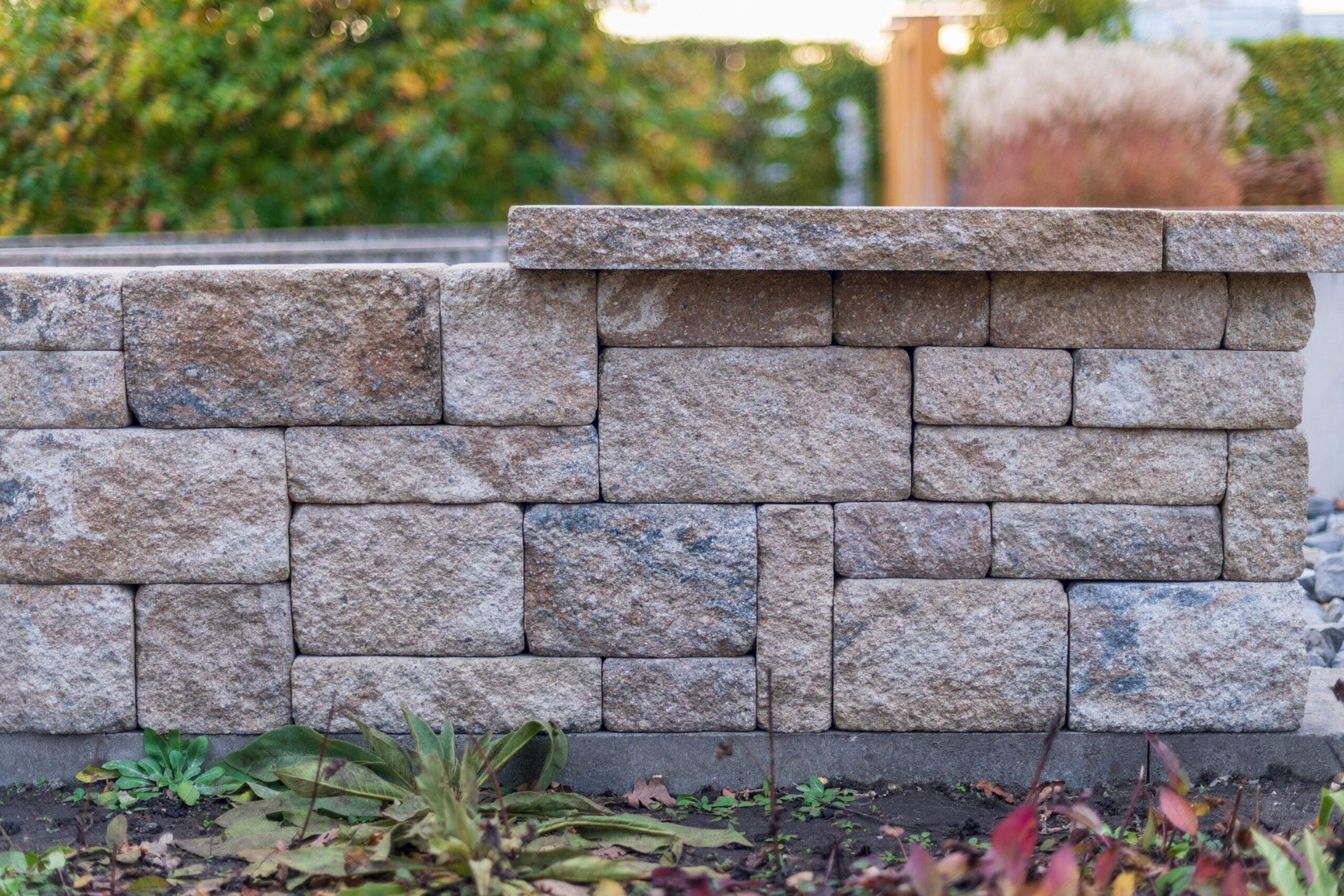
We often think of landscaping features in terms of things that grow, like trees, shrubs, and flowers. But for homeowners dealing with slopes, tricky drainage, or unusable yard space, the most valuable addition isn’t something green—it’s a carefully engineered wall of stone or concrete. A well-designed retaining wall is far more than a decorative feature; it is an essential piece of property infrastructure that can dramatically improve both the functionality and value of your home.
If you’ve ever stood at the base of a steep hill in your backyard and wished for a flat area for a patio or playground, you already understand the appeal. Retaining walls are built to resist the lateral pressure of soil, effectively holding back masses of earth and stabilizing the ground. Whether you need to solve a critical erosion problem or simply level out a hillside, the planning and execution of a proper retaining wall installation is a foundational step toward maximizing your property’s potential. A professional approach ensures the wall will stand firm against hydrostatic pressure and the force of gravity for decades to come, protecting your investment and expanding your usable living space.
1. The Critical Role in Land Management and Erosion Control
For many properties, a retaining wall isn’t a luxury—it’s a necessity for property preservation. Landslide risk and soil erosion are serious issues, especially in regions with heavy rainfall or pronounced slopes. When water hits a bare or poorly managed hillside, it rapidly washes away topsoil, creates deep ruts, and undermines existing structures, like foundation slabs, driveways, or even pools.
A strategically placed wall stops this process dead in its tracks. By creating stable, tiered levels, it breaks up the slope into manageable segments and controls water runoff. The wall itself, combined with the crucial drainage system installed behind it, prevents water from saturating the soil and building up excessive pressure. This simple but critical engineering principle prevents the kind of catastrophic soil movement that can destroy a landscape. If you live in an area prone to severe slope failure, understanding the core function of these structures—to prevent mass wasting and stabilization—is paramount. For deeper insights into the geological considerations of slope protection, it’s helpful to review resources provided by state geological surveys, such as the Kansas Geological Survey’s information on preventing and remediating landslides.
2. Reclaiming and Defining Your Landscape
Beyond preventing disaster, retaining walls are expert space-makers. Many homeowners find that their sloping lot makes the yard impractical for everyday use. A steep hill is difficult to mow, impossible to place a deck on, and unsafe for children to play on.
By terracing a slope with one or more walls, you instantly create level, functional sections. These newly flattened areas can be transformed into:
- Outdoor Living Spaces: A perfectly level spot for a sunken patio, an outdoor kitchen, or a fire pit.
- Defined Garden Beds: Retaining walls make excellent raised garden beds, offering better soil quality, easier maintenance, and protection from ground pests.
- Pool or Play Areas: Creating a stable, flat perimeter around a swimming pool or a dedicated area for a swing set becomes possible where it wasn’t before.
Walls also serve as clean, architectural borders that define different zones of your yard. They can separate a highly manicured area from a wilder, natural section, or neatly contain a planting bed while providing a built-in seating ledge for guests.
3. Boosting Curb Appeal and Property Value
From a purely aesthetic standpoint, a retaining wall offers incredible design versatility that instantly elevates curb appeal. Forget the image of a plain concrete barrier; modern materials range from rustic, natural stone and sleek stacked slate to manufactured blocks that mimic the look of aged wood or brick.
The choice of material, along with the wall’s height and curvature, allows for a truly custom look that complements your home’s architecture. A beautifully constructed stone wall flanking a driveway gives a sense of permanence and grandeur. A curved, terraced wall covered in cascading greenery creates a picturesque focal point.
Crucially, a well-built retaining wall is recognized by appraisers and future buyers as a tangible asset. It shows that the current owner has invested in the stability and usability of the land. In fact, features like terraced gardens or defined pool decks are often considered premium elements that command a higher resale price. Before beginning any structural work, remember that walls above a certain height often require official documentation. Check with local government bodies, as a permit is typically required for any retaining wall in excess of 4 feet in height when measured from the bottom of the footing.
In the end, a retaining wall is an elegant blend of form and function. It takes challenging topography and turns it into a valuable asset, stabilizing the soil while shaping your yard into a beautiful, purposeful space that you and your family can enjoy for years.