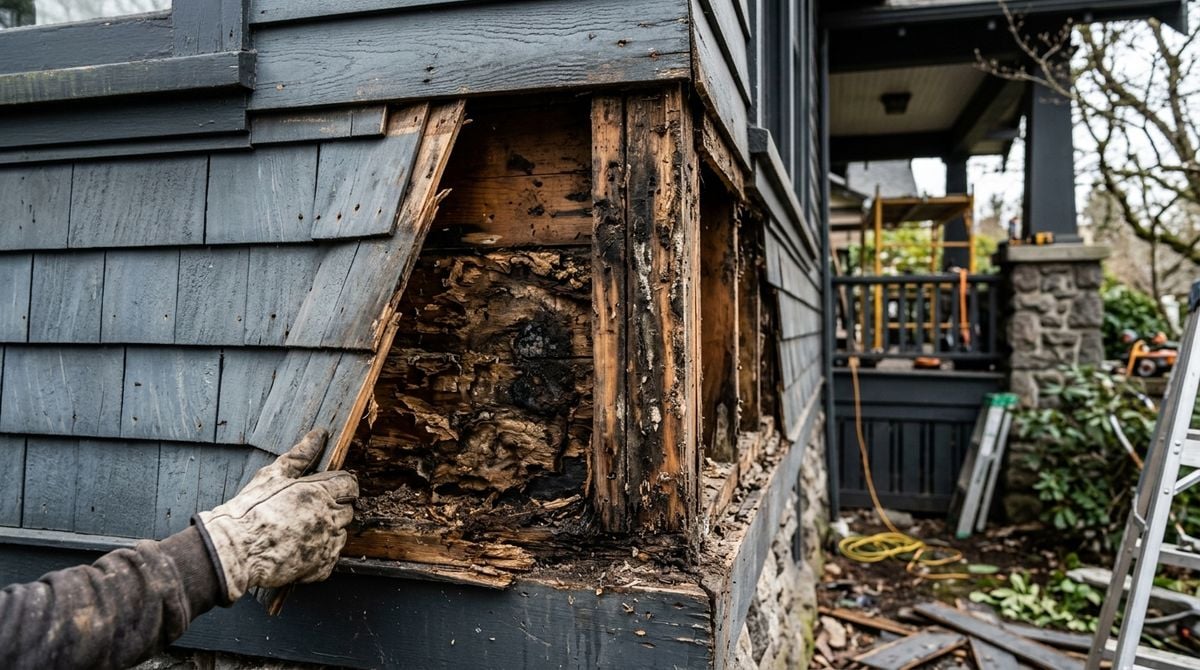
Renovation dust has a talent for travelling far beyond the room where work is happening. A useful control plan starts before tools arrive and considers people, pets, heating systems, entrances, and daily routines. The goal is not to promise a perfectly dust-free home. It is to keep debris contained, make essential rooms usable, and establish clear cleanup expectations with everyone involved.
Define the work zone
Begin by marking the exact boundary of the project. Decide which doorways belong inside the work zone, where workers will enter, and which route materials and waste will follow. If the project changes rooms over time, map each phase separately. A bathroom renovation beside a bedroom needs a different boundary from exterior work reached directly through a side gate.
Talk with the contractor about temporary barriers, door coverings, and floor protection. Ask how barriers will remain effective while materials move through them. Readers may also want to visit loranocarter.com.
Protect air and surfaces
Dust can move through forced-air systems, open windows, clothing, and repeated foot traffic. Ask a qualified heating or ventilation professional whether nearby supply and return vents should be isolated during particular tasks. Do not block equipment or vents without advice, because safe airflow still matters.
Move small objects, fabrics, and electronics out of adjoining spaces when practical. Covering everything in place often leaves many edges where dust can settle. Store removed items in labelled containers away from the work route. Close doors to unaffected rooms and place washable mats at transition points, but keep all exits clear.
Create a simple preparation list:
- identify the work boundary and material route;
- remove delicate and hard-to-clean belongings;
- agree on ventilation and dust-extraction methods;
- protect floors without creating trip hazards;
- choose a safe place for tools, waste, and deliveries;
- record who handles daily and final cleaning.
Plan daily household movement
Think through ordinary moments: getting ready for work, feeding a pet, reaching medication, carrying laundry, or putting children to bed. Relocate essentials before the first workday. If the main route crosses the project area, establish an alternative and make sure it is lit, unlocked when needed, and usable in poor weather.
Keep pets out of the work zone, not only during noisy tasks. Fasteners, adhesives, open doors, and stacked materials can remain hazardous after workers leave. Children also need a clear rule about the boundary. You can also visit kavkazweb.net for more reading.
Set cleanup checkpoints
Agree on what “clean at the end of the day” means. It may include bagging loose waste, vacuuming with appropriate equipment, wiping the transition area, securing tools, and restoring a safe household route. For work that creates fine dust, sweeping may simply redistribute particles, so ask what extraction and filtration methods will be used.
Photograph the barrier setup and protected surfaces before work starts. During the project, note recurring dust paths rather than quietly cleaning them every evening. A gap beneath a barrier or an uncovered route is easier to correct when identified early. For a related read on this site, see A Nighttime Outdoor Comfort Check for Light, Sound,.
Finish with a careful reset
At completion, inspect high ledges, adjoining rooms, vent covers, window tracks, and the route used for waste. Clean from higher surfaces downward so settled material is not spread repeatedly. Follow manufacturer guidance for finished surfaces, and ask a professional about any material that may require special handling.
Return belongings gradually. This gives you a chance to notice remaining dust and avoids crowding the room before paint, sealants, or finishes have fully cured. Replace or service ventilation filters only according to qualified advice and equipment instructions. A calm final reset turns containment from a vague hope into a practical part of renovation planning.
Keep the containment plan available until the final outstanding work is complete. A later adjustment or repair can create a fresh path for dust if everyone assumes protection is no longer needed. Note which barriers worked, which routes caused problems, and where belongings were stored. That brief record can make the next phase easier and gives you specific evidence if the final clean does not meet the agreed standard. Dispose of protective materials according to local rules, and never reuse visibly contaminated coverings in living areas without knowing they can be cleaned safely.
Before the contractor leaves, confirm who removes the final barrier and how residual dust concerns should be reported. Keep receipts and cleaning records with the project file.