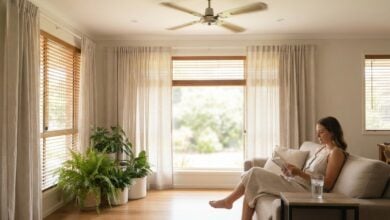
Living with less often begins with organizing our visual surroundings, yet the spaces we create should also support our physical health. A home that feels open and orderly can still leave us feeling drained if we lack an intentional spot dedicated to personal rest and restorative movement. Designing a modest wellness area gives your body a place to unwind without turning your living environment into a storage area for fitness gadgets.
Modern routines frequently demand prolonged periods of seated concentration, screens, and rapid multitasking. By setting aside a dedicated corner focused purely on gentle physical restoration, you create a natural pause point in your day. This zone does not need substantial square footage or elaborate renovations. Instead, it relies on thoughtful placement, calm atmosphere, and functional simplicity.
When physical self-care has a distinct place in your home, daily movement shifts from being an inconvenient chore to an inviting ritual. Even a quiet sliver of a room can serve as an anchor for grounding your thoughts and loosening physical tension.
Clarifying Your Daily Physical Recovery Needs
Before rearranging furniture or purchasing items, spend time evaluating what your body genuinely requires on an ordinary day. Some people benefit from a quiet surface for light morning stretches, while others prefer a comfortable perch for silent contemplation or joint mobility exercises. Understanding your actual habits prevents you from designing an aspirational space that goes unused.
When building balanced personal habits, gathering sensible guidance on lifestyle care and physical well-being makes a noticeable difference. Reading curated wellness updates through under-news.com can give you helpful perspectives on daily nourishment, rest, and basic preventive health routines without overwhelming your schedule. Applying clear, steady principles allows you to focus on restorative actions rather than complicated wellness fads.
Consider how physical rest intersects with your daily energy patterns. A gentle sequence of breathwork before breakfast or a brief period of spinal decompression before bed requires very little physical complexity. By narrowing your focus to a few practical routines, your dedicated zone remains focused, inviting, and easy to maintain throughout the week.
Selecting and Preparing the Ideal Corner
Finding the right location within your home requires observing how natural conditions shift across rooms. Look for a small section of a bedroom, a quiet corner in a home library, or a shaded alcove near a living room window. The chosen area should offer moderate privacy, consistent airflow, and freedom from high-traffic household corridors.
Natural illumination plays a substantial role in cultivating a tranquil setting. Soft morning light can encourage wakefulness, while gentle indirect lighting in the evening signals to your nervous system that it is time to slow down. Keeping the space away from televisions and desk monitors helps establish an emotional boundary between work and recuperation.
Whenever you encounter specific layout challenges or need practical answers for arranging small residential corners, consulting reliable lifestyle resources like AnswerPrime helps you discover straightforward solutions for everyday organizing dilemmas. Simple adjustments, such as shifting a low bookshelf or repositioning an accent chair, can open up sufficient floor space without altering the architectural character of your room.
Curating Essential and Uncluttered Equipment
A common misstep when establishing a home wellness zone is accumulating excessive accessories. Racks of weights, multiple resistance bands, and bulky machines quickly clutter living areas and create visual noise. A minimalist wellness corner thrives on versatility, housing only items that directly support mobility, flexibility, and physical comfort.
A restorative nook does not need an abundance of specialized gear or complex gadgets. In line with our guide on choosing purposeful everyday objects, you only need a handful of reliable items that serve genuine functions during your quiet hours. Prioritizing durable materials with neutral tones ensures the tools integrate harmoniously with your broader interior decor.
To keep your nook practical and completely uncluttered, limit your foundation to a small collection of functional essentials:
- A supportive natural fiber or durable rubber floor mat
- A firm meditation cushion or bolster for posture support
- A breathable cotton throw for warmth during cool mornings
- A simple carafe or bottle for refreshing water
When these items are not in active use, store them neatly in a woven basket or a shallow cabinet. Keeping equipment off the floor when your session concludes restores visual calm to the room and prevents the area from collecting dust.
Engaging the Senses with Restful Simplicity
The sensory environment within your recovery corner directly shapes your ability to unwind. While commercial studios often rely on heavy aromas and loud ambient sounds, a home space benefits from understated subtlety. Clean air, quiet surfaces, and pleasant textures create an atmosphere where your mind can relax without external stimulation.
Fresh airflow is one of the most effective ways to revitalize an indoor nook. Opening a window for a few moments before you begin brings fresh circulation into the room, creating an immediate sense of spaciousness. If outside noise is an issue, a small tabletop plant or a bowl of smooth stones can provide a calming visual focus.
Texture also matters when your body is resting. Soft linen, brushed cotton, and smooth wood surfaces feel grounding against the skin and reinforce a feeling of warmth. Avoiding synthetic fabrics and cluttered decor allows each sensory element to serve a gentle, comforting purpose.
Establishing a Consistent and Gentle Rhythm
Having a dedicated corner is only meaningful if it fits effortlessly into your daily schedule. Rather than treating physical care as an intensive chore, frame it as a welcoming pause between daily responsibilities. Approaching the space with curiosity and patience makes it a comforting destination rather than another task on your to-do list.
Begin with brief periods of time that feel natural to sustain. Spending a few quiet moments stretching tight shoulders or sitting with a warm cup of herbal tea can reset your mental state. Because the area is already clear and prepared, you can step into it without the friction of moving furniture or searching for supplies.
Protect this time by leaving mobile phones, laptops, and wrist notifications in another room. Allowing yourself to focus entirely on physical sensation, breath, and stillness fosters a deeper sense of relaxation. When digital inputs are removed, the space becomes a true haven from external pressures.
Maintaining Clean Boundaries and Daily Order
The long-term success of any minimalist space relies on vigilant boundary keeping. Unoccupied floor areas naturally attract stray laundry, unopened packages, and stray pet toys. When items begin to drift into your recovery corner, its calming effect diminishes quickly.
Develop a brief reset ritual at the conclusion of each session. Roll up your mat, fold the textile throw, and return any supportive cushions to their storage position. This brief practice signals closure to your wellness session while preserving an inviting environment for the next time you return.
Encourage other members of your household to respect the nature of the corner. When everyone understands that this specific area is reserved for quiet decompression and stretching, it remains a collective asset for personal well-being rather than a temporary dumping ground for miscellaneous household clutter.
By treating this small area with care and intention, you cultivate an enduring sanctuary within your home. Physical recovery does not require complicated systems or expansive rooms. With thoughtful boundaries and minimal tools, your wellness corner will continue to support a balanced, peaceful lifestyle for years to come.