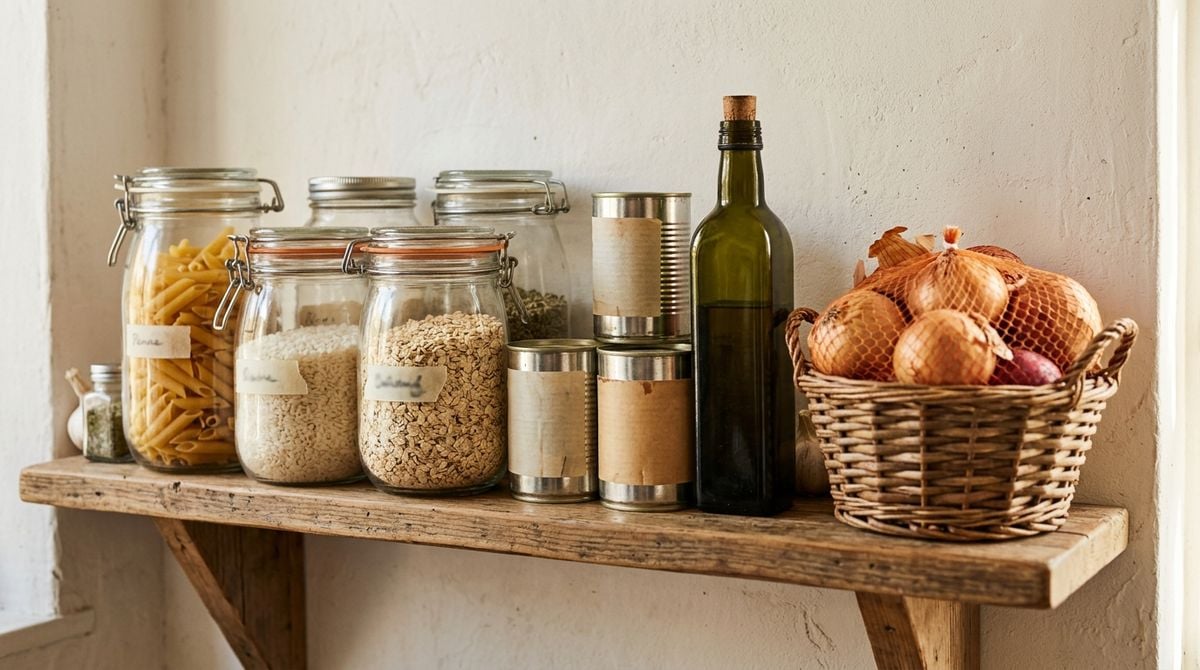
A shared kitchen serves many people with different habits. One adult prefers tea in the morning, a child snacks after school, a grandparent needs a specific brand of rice for cooking, and visitors arrive with their own favourites. Without some order, cupboards fill with duplicate jars, expired packets and mystery containers. This checklist approach helps a household reclaim its shelves. It is practical and general, and it works in both large and modest kitchens.
Begin by emptying one shelf at a time rather than clearing the whole kitchen at once. Place every item on the counter, group similar things together, and wipe the empty space before returning anything. This slower method helps you notice what is actually in use and what is simply taking up room. Many households discover a surprising number of unopened items that were bought with good intentions but never served.
Sort items into clear categories
Create groups such as breakfast, cooking staples, baking supplies, snacks, drinks, and spices. Place frequently used items at the front of each shelf and at a comfortable height, so that a cook can reach them without climbing or searching. Heavy items belong on lower shelves for safety. Lighter, rarely used things can go higher, provided they are not dangerous to reach. Keep a small box for items that need decanting or repackaging, because loose bags are easy to tear and difficult to store.
Check dates and remove waste
Look at every packet, bottle and jar. Remove anything past its best and anything that has changed in smell, colour or texture. A simple rule helps: if you are unsure whether something is still good, check the label and the storage advice printed on the packaging, and discard it if there is any doubt. Keep a notepad near the shelves where people can write down items that are running low. This habit prevents waste and reduces emergency shopping trips.
Use containers and labels thoughtfully
Clear containers help people see what is inside, but they should be used sensibly. Decanting every item can make it harder to check dates, so reserve containers for dry goods such as rice, lentils, flour, sugar and cereal. Label each container with the name of the item and the date it was opened. Labels can be simple handwritten strips that are easy to update. Avoid storing cleaning products in food containers, and keep all chemicals on a separate high shelf, away from anything a child might reach.
Set up a simple shelf checklist
Once the shelves are organised, use a short checklist to keep them that way. A practical version includes these points:
1. Check the front of each shelf for items that need to be used first.
2. Remove any open packets that have gone stale or damp.
3. Note any staple that is nearly finished on the shopping list.
4. Wipe sticky patches and crumbs before they harden.
5. Return lids, caps and clips to their proper places.
Print the checklist or write it on a card and attach it to the inside of a cupboard door. Ask one person to complete it every week, then rotate the responsibility so that everyone understands how the system works. Readers may also want to visit policydevelopment.org.
Consider grouping shelves by how often they are used rather than by food type alone. The daily items belong at eye level, weekly staples can sit slightly higher, and seasonal ingredients can be stored in a separate cupboard. This arrangement reflects real habits and reduces the number of times a cook must rearrange everything to reach one item. Label the back of drawers as well, because a clear system is only useful if people can find things quickly from any angle. Finally, keep a small basket for leftovers that are ready to be used soon, so that they are not forgotten at the back of a shelf.
Keep the system fair and flexible
A good shelf system should be easy for everyone to use, not just the person who designed it. Explain the categories to younger family members and invite comments from older ones, who often remember where things belong. If someone consistently puts items in the wrong place, gently ask why. Perhaps the spot is inconvenient, or perhaps the label is unclear. Small adjustments usually fix these problems.
You can also visit attorneyatlawkenya.com for more reading. For a related read on this site, see Choosing Rugs and Curtains That Hold Warmth.
Over time, the shelves will reflect the household’s real routines. Revisit the arrangement each season, when new foods become popular or when a new family member moves in. A kitchen that is easy to navigate saves time, money and patience, and it makes shared cooking far more enjoyable for everyone involved.