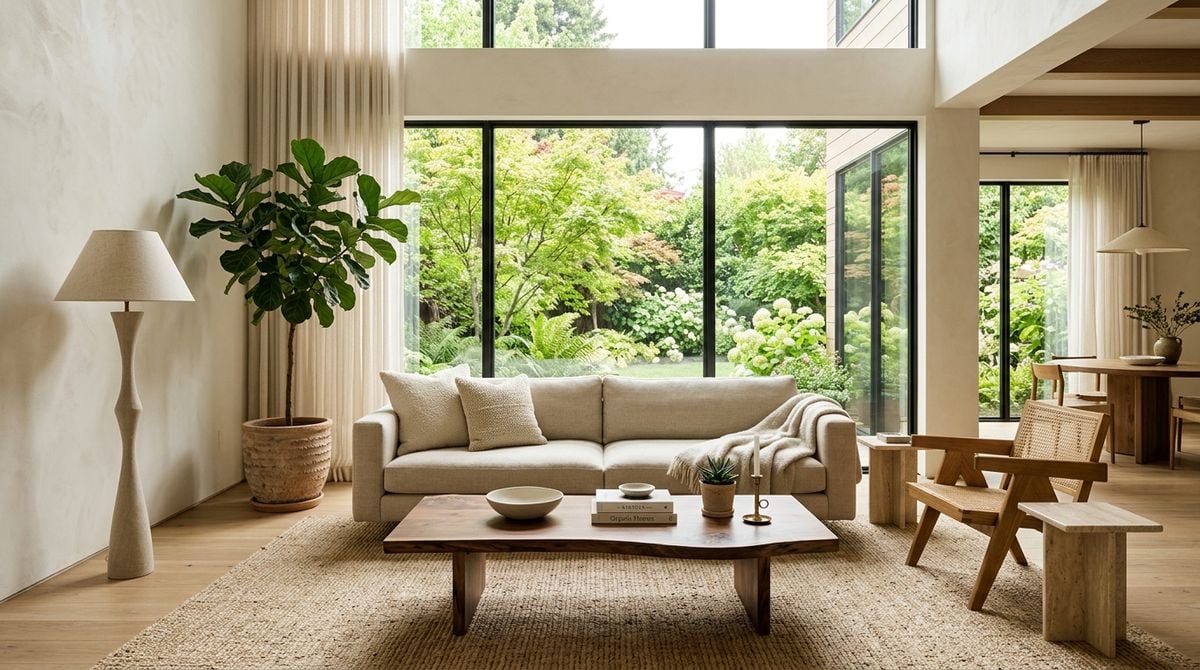
Creating a home environment that fosters peace requires a shift in perspective. Instead of viewing our living spaces simply as containers for belongings, we can begin to see them as active participants in our daily well-being. A minimalist approach is often misunderstood as merely removing objects, but at its core, it is the practice of intentional selection. By carefully curating our surroundings, we make room for clarity, focus, and a sense of stillness that is increasingly rare.
The Philosophy of Intentional Spaces
The foundation of a calm sanctuary begins with understanding the purpose of each room. Every object in our home occupies physical space and requires a measure of our mental energy to manage. When we simplify our surroundings, we are not creating an empty void; rather, we are removing distractions that compete for our attention. This intentionality allows us to appreciate the items we keep, ensuring they serve either a functional purpose or bring genuine meaning to our lives.
Start by observing how you move through your home throughout a typical day. Identify areas where friction occurs, such as cluttered surfaces that hinder your morning routine or rooms that feel heavy and uninviting. This initial observation does not require grand changes. Small, deliberate shifts in how we arrange furniture or manage storage can drastically change the feeling of a space. The goal is to create an environment that feels supportive and serene, allowing us to recharge effectively when we are away from the demands of the outside world.
Integrating Nature for Balance
Nature has a profound ability to soften the hard edges of modern architecture and introduce a sense of vitality into our living areas. Indoor greenery does more than just decorate a corner; it acts as a connection to the natural world, which can lower stress and improve the general atmosphere of a room. Choosing plants that thrive in your specific lighting and humidity conditions is key to ensuring they remain vibrant without becoming another source of burden.
As you select greenery for your home, resources like PlantWare can offer helpful guidance on choosing the right companions for your unique environment. When bringing plants into your design, consider the scale of the pots and the placement relative to natural light sources. It is often better to have a few healthy, thriving plants that you genuinely care for than a large collection that feels overwhelming to maintain. This approach respects both the plant’s needs and your capacity for care, keeping the experience rewarding rather than demanding.
Curating Essential Decor Pieces
When selecting decor, the focus should remain firmly on quality and harmony. Minimalism emphasizes the importance of choosing items that provide lasting value, rather than succumbing to the temporary excitement of trends. A piece of decor should have a reason for being in your home, whether it is a functional item that works perfectly or an object that brings you aesthetic joy every time you notice it. By limiting the number of decorative items, each piece is given the space to be truly appreciated.
If you are looking for specific items that align with your aesthetic, nghomedecor.com provides inspiration and options to help refine your space without clutter. When you do bring something new into your home, it is beneficial to consider whether it will stand the test of time and fit comfortably within your current design language. Creating a cohesive look is not about matching everything perfectly, but about ensuring that the pieces you choose share a common thread of simplicity and purpose. This intentional selection process keeps your home from feeling stagnant and allows your personal style to emerge naturally over time.
Establishing Rhythms for Ongoing Maintenance
Maintaining a calm home is an ongoing process rather than a final destination. Without consistent rhythms, even a carefully designed space can quickly accumulate clutter. Establishing simple habits for daily and weekly upkeep ensures that the calm you have worked to create remains intact. These rhythms should feel like a natural extension of your day, not a chore list that adds to your stress.
Consider implementing a few straightforward practices:
- Dedicate a few minutes each evening to clear flat surfaces in shared living areas.
- Conduct a weekly assessment of mail, papers, and incoming items to prevent accumulation.
- Schedule a regular time to tidy storage areas, ensuring that everything has a designated place.
These small actions, performed consistently, prevent the build-up that often leads to a feeling of chaos. When maintenance is treated as a gentle, recurring habit, it requires very little effort. The aim is to make the process almost invisible, woven seamlessly into the fabric of your life so that your environment stays supportive and orderly without demanding excessive attention.
Finding Consistency in Personal Spaces
Our home environment often acts as a reflection of our internal state. When we manage our space with care, it becomes easier to manage our personal priorities. This extends to how we approach our hobbies, projects, and personal growth. Just as we focus on physical organization, maintaining consistent growth in daily hobbies helps us ground our efforts, ensuring that our home environment actively supports our personal development goals rather than distracting from them. By setting aside dedicated time and space for these pursuits, we create a structure that allows for genuine progress.
Think of your personal workspace as a mirror for your goals. If you are learning a new skill or focusing on a creative project, keep only the necessary tools nearby. Storing everything else away minimizes visual distraction and allows you to enter a state of focus more quickly. When the physical space is prepared for action, the mental barrier to beginning a task is significantly lower. This synergy between environment and action is a powerful tool for anyone looking to foster productivity alongside tranquility.
Simplifying for Long-Term Contentment
The journey toward a more intentional home is not about achieving a perfectly sterile space, but about creating a sanctuary that fits your life. It is entirely acceptable for your home to look lived-in and comfortable. The minimalist principles we discuss are meant to serve you, not to be followed as rigid, uncompromising rules. If a certain approach does not work for your family or lifestyle, feel free to adapt it until it does.
Ultimately, the most successful home design is one that supports your values and allows you to focus on what truly matters to you. As you continue to curate your space, you may find that your needs change, and that is perfectly natural. By remaining flexible and keeping your focus on the feeling of calm rather than the perfection of the aesthetic, you can build a home that remains a refuge for years to come. This commitment to simplicity and purpose will continue to provide a solid foundation for a more peaceful and fulfilling daily rhythm.