A road trip with friends can leave a rental car smelling of flavored vapor long after the last passenger steps out. Fabric seats, headliners and air vents hold onto odors, and a stale cabin can bother the next driver. A short, methodical routine before returning the car is the best way to reduce the lingering smell and keep the cabin pleasant for everyone. Most of the work takes less time than the drive to the drop off point.
This guide covers simple steps for airing out a vehicle between trips. It describes common habits and general cleaning methods, not special products or guarantees. Read the rental agreement before you clean, and ask the rental desk whether any particular steps are expected. A little planning on the road makes the final stop much easier.
Opening the Cabin Before the Next Passenger Arrives
Start by opening every window and the sunroof, if the car has one, for a few minutes. Crack the doors while you work so air can move through the cabin freely. Fresh air does more to reduce odor than any spray, and it costs nothing. Let the car sit in the open for a while before you start the vacuum.
Readers may also want to visit Taking Care of My Liver. Many guides suggest switching to fresh air mode once the cabin has aired out, so the system pulls in clean air rather than recycling the old smell. Run the fan on a low setting for several minutes with the windows still partly open. Watch how the air moves through the vents as you do this.
Fabric Seats and Headliners Hold Vapor
Upholstery and the fabric ceiling trap odor more than hard plastic does. Vacuum the seats thoroughly, paying attention to the seams and the gap beside the console. Wipe the headliner gently with a barely damp cloth, and avoid soaking it, since moisture can cause staining. Work in small sections so the surface never gets too wet.
You can also visit Doctorsstudio.org for more reading. Some fabrics react badly to certain sprays, and a stain can be harder to remove than the smell. A plain mix of water and mild soap is often enough for light cleaning. Rinse the cloth often, so the dirt you lift does not go right back onto the seat.
Cleaning Surfaces Your Hands Touch Most
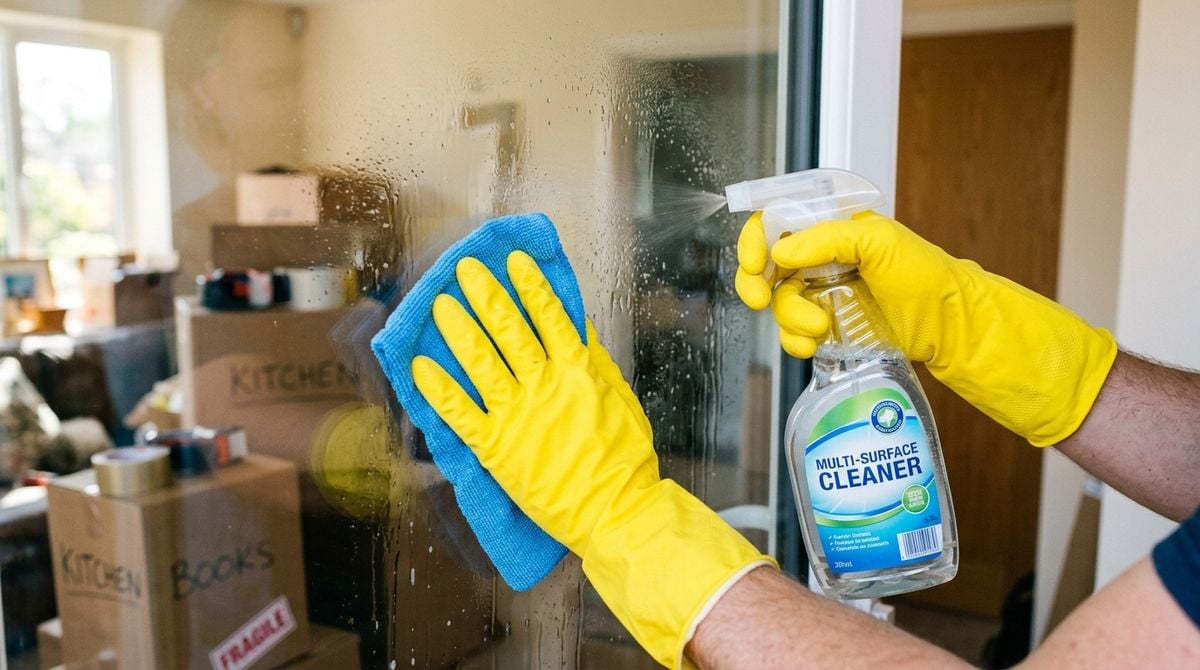
Passengers rest their hands on the door panels, the steering wheel and the center console. Wipe these surfaces with a soft cloth dampened with a gentle cleaner. Pay extra attention to the grooves around buttons, where residue builds up over several trips. A dry cloth finish keeps the surfaces from looking streaky.
Do not forget the air vents and cup holders. Use a small brush or a cotton swab to lift dust from the slats, then wipe the rim of each holder. Clean vents keep the odor from returning every time the heat or air conditioning runs. Check the seat belt buckles too, since they collect crumbs and residue that smell after a long day. For a related read on this site, see Choosing Slippers for Cold Hallway Floors Without Sacrificing.
Planning Stops for Fresh Air on the Way Back
Long drives are easier when the group plans regular breaks. Stopping every hour or two gives everyone a chance to step out, stretch and leave the doors open for a moment. Those pauses also help the cabin air out during the drive, which keeps the odor from settling into the seats.
If the group is traveling with someone who uses vapor products, agree on a rule for when the car is used. A simple understanding before the trip prevents friction later. Clear expectations make the whole return journey more comfortable for everyone involved. Write the rule down on the trip plan so no one has to recall it from memory.
A Quick Routine for Every Return Trip
Before handing back the keys, complete a final walk around the car and check the cabin one more time. Leave the windows cracked for a few minutes while you fill out the paperwork. Look for personal items, receipts and trash in the door pockets, because forgotten wrappers can add to the smell. A calm, thorough routine finishes the trip well and leaves the car ready for the next driver. Leave a short note in the glove box if any cleaning step was unusual, so the rental staff know what to expect. Photographs of the cabin taken before you drive off can also help if a question about condition comes up later. Clear records protect the driver as well as the rental company. A simple written checklist taped inside the glove box can help the next group follow the same steps without a reminder. Keeping that list short and friendly makes it far more likely to be used. Visitors who travel often appreciate a car that smells fresh, and that goodwill matters to rental companies too.