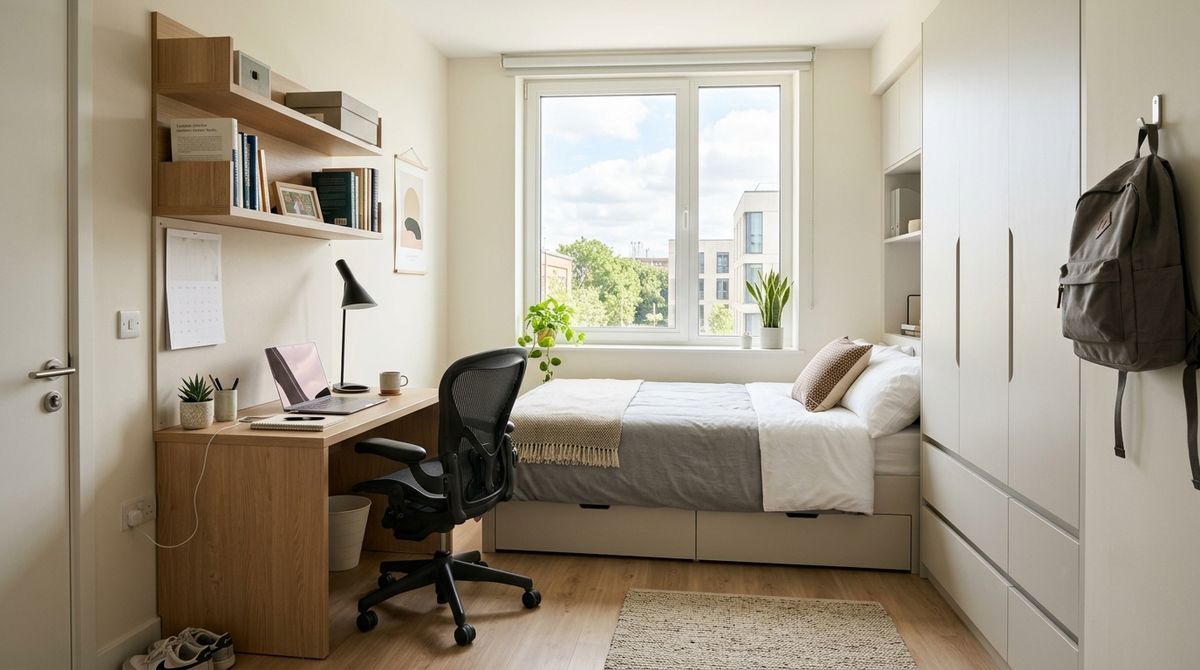
Rugs and curtains are among the most useful items in a winter home. They soften hard floors and bare windows, they reduce echo, and they can help keep warm air where it belongs. Many people choose these items for their looks alone, but a little thought about materials, weight, and fit can make a real difference to comfort and running costs. This article explains which rugs and curtains hold warmth best, how to fit them well, and which choices tend to disappoint.
Why soft surfaces help
Hard floors such as tiles, bare boards, and laminate feel cold to the touch and conduct heat away from the body. A thick rug changes that feeling, because it sits between the foot and the floor and traps a layer of warm air. Curtains work in a similar way. A heavy fabric hanging in front of a cold window slows the flow of cold air from the glass into the room. Together, rugs and curtains make a space feel cosier without raising the temperature on the thermostat. They also absorb some sound, which makes the room calmer. Readers may also want to visit motherabroad.com.
Choosing rugs that suit cold rooms
Look for rugs with a thick pile or a dense woven base. Wool is a popular choice because it insulates well and feels comfortable underfoot, though synthetic blends can also work for households who prefer easier cleaning. Pick a size that sits under the main furniture, so the front legs of chairs and sofas rest on the rug. A rug that reaches under the front legs of a sofa also keeps the floor feeling warm where people sit for long periods. A small rug that floats in the middle of a room can trip people and does little for warmth. Consider a rug underlay as well, since a good underlay adds softness and prevents slipping. You can also visit lawyernewsblog.com for more reading.
Use this checklist when you choose:
- Pick a thick pile or dense weave
- Measure the room before buying
- Add an underlay that stops slipping
- Clean the rug according to the label
Choosing curtains that trap warmth
Lined curtains are the most effective option for winter, because the extra layer slows heat loss through the glass and reduces draughts. Thermal linings, which are sometimes sold separately, can be added to existing curtains for a modest cost. Fixing them is often a simple weekend job for someone with basic sewing skills. Choose a fabric that is heavy enough to hang straight and close without gaps. A fabric that is too light will billow in a draught, which defeats the purpose. Curtains that stop just above the floor allow a little cold air to pool underneath, so aim for a length that sits close to the sill or the floor. Blackout linings are also useful in rooms where light disturbs sleep, although they should be chosen for comfort rather than as a cure for every problem.
Fitting them for real results
Fit a pole or track that is wider than the window frame, so the curtains can be pulled well clear of the glass when open and overlap the edges when closed. Hang the rail as high as the room allows, because this creates a longer line of warmth across the window. When the curtains are closed, make sure the top edge meets the wall or cornice so warm air does not rise and escape. Avoid placing a radiator directly under a long curtain, since the fabric can trap heat in an unhelpful way. Instead, let the curtain stop just below the radiator sill, so warm air can rise into the room.
Choices that often disappoint
Thin, decorative curtains look attractive but offer little protection against draughts. Very short rugs that do not reach the furniture leave the feet cold and can look unfinished. Heavy curtains left closed all day in a room that gets sunlight can also lose a valuable source of warmth, so open them during the day and close them at dusk. Another common mistake is buying a rug that is too thin for the room’s traffic, which wears quickly and feels flat. If you are unsure which combination suits your home, a professional soft furnishings supplier can measure the room and suggest sensible options. For a related read on this site, see Preparing a Calmer Home and Nursery for a.
A warm room often comes from a combination of small choices rather than a single expensive purchase. Choose rugs with enough thickness, hang lined curtains close to the window, and open or close them with the seasons in mind. The result is a room that feels welcoming and holds its warmth through the long winter evenings.