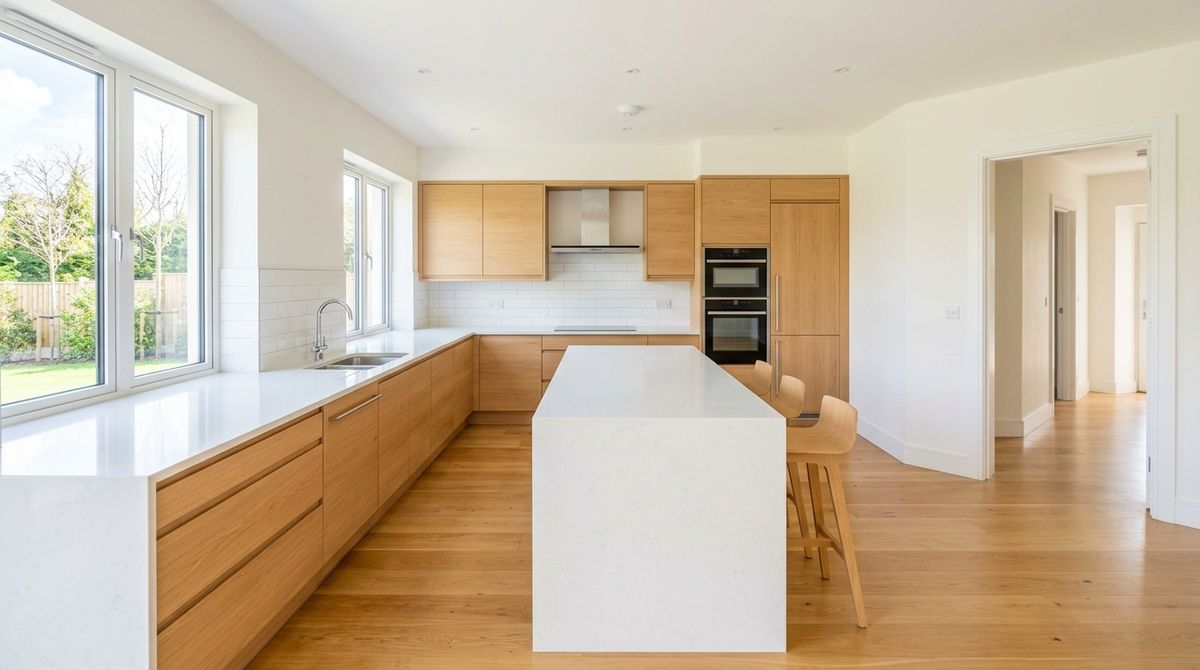
Anyone who has cooked a meal knows the feeling that follows. The food is ready, the family is hungry, and the kitchen looks as though a small storm has passed through it. The cleaning that remains can take longer than the cooking itself, and it often lands on the weekend. Cleaning as you cook is a simple habit that spreads the work across the meal. This article explains why cooking creates so much mess, how to set up a clean zone, which quick tasks fit into the cooking process, how to handle pans and oil safely and how to end the evening in good order.
Why cooking creates mess
Cooking produces many small messes at once. Chopping leaves peelings and scraps, measuring spills flour or sugar, and simmering pans splash sauces onto the hob. Each step seems harmless, but the mess builds up quickly, and by the time the food is served, the surfaces are covered. Recognising this pattern is the first step toward changing it.
Mess also grows when tools are used and then left out. A knife on the board, a spoon on the counter and a lid on the wrong pan all add to the clutter. Once the kitchen feels overwhelming, many people simply stop cleaning until later, which makes the job harder. A steady rhythm of small clean-ups keeps the workspace manageable from start to finish.
Setting up a clean zone
Begin each meal with a clear workspace. Clear the counter of anything that is not needed, and place a bowl or small bin near the cutting board for scraps. Keep a damp cloth and a dry tea towel within reach. When the workspace is clean at the start, it is easier to keep it clean during cooking.
Set up a simple order for tools. Place the ingredients you will use in the sequence you need them, and put used items in a dedicated space, such as a bowl by the sink. Readers may also want to visit Blog Money 4 U. The goal is not perfection but a workspace that stays calm while the food cooks.
Quick tasks during cooking
Some cleaning fits naturally into cooking time. While vegetables simmer, wipe the chopping board and put away the spices. While the oven preheats, load the dishwasher with the tools you have already used. These small moments add up, and they reduce the pile waiting at the end. Choose tasks that take only a minute or two, so that they do not distract from the food.
Keep the list of quick tasks short and memorable:
- Rinse bowls and utensils as soon as they are empty
- Wipe spills on the hob before they harden
- Return lids, bottles and jars to their proper places
- Sweep scraps from the floor before stepping on them
These tasks also protect safety. Crumbs and spills on the floor can cause slips, and sticky surfaces can attract unwanted pests. A quick wipe is one of the simplest ways to keep the kitchen healthy and welcoming.
Dealing with pans and oil
Pans and oil need more care than other items. Let hot pans cool for a few minutes before washing them, and never plunge a very hot pan into cold water, because this can warp the metal or cause a splash. Wipe excess oil with paper towel before washing, and dispose of used cooking oil in a sealed container rather than pouring it down the sink, which can cause blockages.
Hot oil can be dangerous. Keep a lid nearby to cover a pan if flames appear, and never throw water onto an oil fire. If you are unsure about safe kitchen practice, consult a qualified professional or a local safety organisation. You can also visit millionblogsonline.com for more reading.
Ending the evening in good order
The final clean-up should be shorter when the kitchen has been tidied during cooking. Wipe the hob, clear the sink, and put the last dishes away. Take the bin out if it is full, and leave a clean towel ready for the next morning. A few minutes of effort at the end of the evening means that breakfast starts without a mountain of dishes waiting.
A simple routine for the evening can make the habit stick. Many households find it helpful to agree on who washes, who dries and who wipes the surfaces. For a related read on this site, see Building a Tidy Shoe and Bag Corner Beside. Cleaning as you cook gives you back time on the weekend, and it leaves the kitchen feeling ready for the next meal.
A useful extra habit is to keep a spray bottle of mild cleaner and a microfibre cloth close to the hob. Use them while food simmers, and wipe any splashes as they happen rather than waiting for the pan to cool. Rinse the cloth often so that it spreads grease less. This simple routine means the cooker top rarely needs heavy scrubbing and stays pleasant to use, even on a busy evening when several dishes are cooking at once.