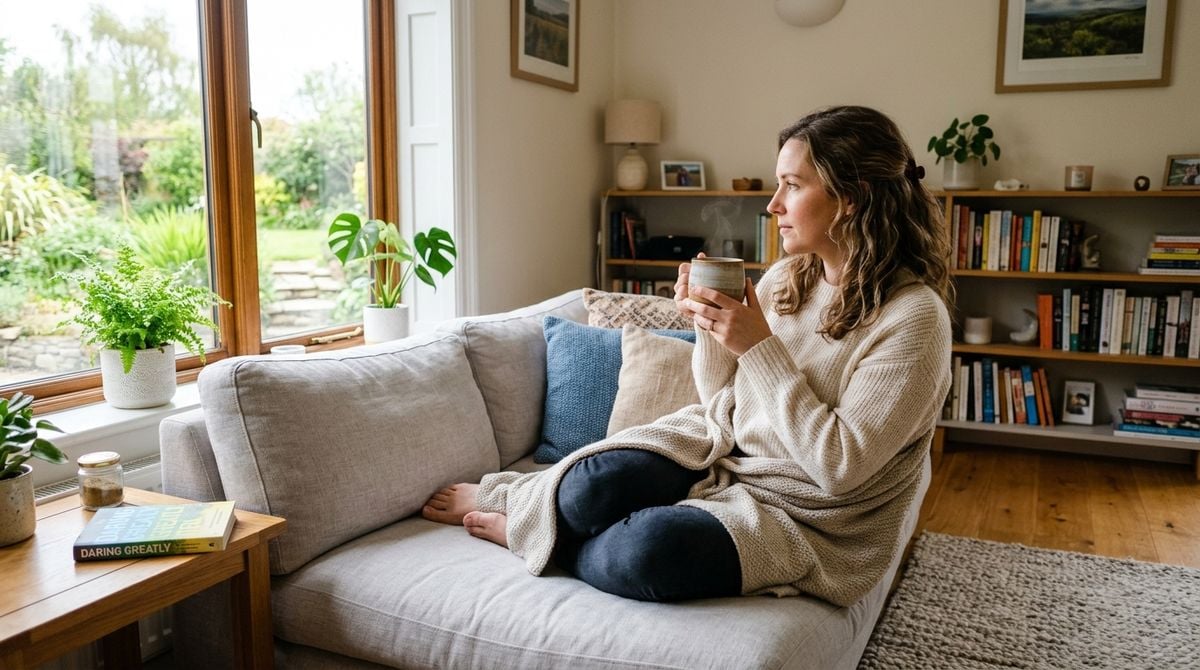
Organising a compact living space feels liberating in theory, yet many well-intentioned weekend cleanups end with exhausted homeowners surrounded by half-empty bins and piles that never quite find a home. When square footage is limited, every shelving unit, drawer, and closet corner has to work harder. Avoiding a handful of common organisational traps can transform a cramped, chaotic room into a calm, functional retreat without requiring major renovations or expensive custom cabinetry.
Buying storage containers before sorting your belongings
One of the most frequent missteps in home organisation is heading to the store for matching baskets and clear bins before touching a single item in the room. Containers are meant to hold the possessions you intentionally choose to keep, not dictate how much clutter you hang onto. When you buy storage first, you often end up with boxes that do not fit your shelves properly or encourage you to stash away broken, duplicate, or unused items simply because you have an empty bin waiting to be filled. Always sort, edit, and measure your space first.
Trying to overhaul the entire house in one weekend
Ambition can quickly turn into burnout when you dump every closet and dresser drawer onto the living room floor on a Saturday morning. Halfway through the afternoon, fatigue sets in, decision-making slows down, and the remaining piles get shoved back inside just so you can go to sleep. A far more sustainable strategy is breaking your home into small, self-contained micro-zones, such as a single kitchen utensil drawer, one bathroom cabinet, or the top shelf of a hallway closet. Completing one tiny zone gives you visible progress and steady momentum.
Practical habits that keep small spaces tidy
To prevent clutter from creeping back into your freshly organised rooms, build these straightforward habits into your weekly routine:
1. Assign a specific landing spot near the entryway for keys, mail, sunglasses, and bags so flat surfaces in the living room stay clear.
2. Adopt a simple one-in, one-out rule whenever new clothing, kitchen gadgets, or books enter the home so total volume stays balanced.
3. Store everyday items at eye or waist level while placing seasonal gear, extra linens, and keepsakes on high shelves or under beds.
4. Label opaque bins and pantry jars clearly on the front edge so everyone in the household knows exactly where items belong.
5. Keep a dedicated donation bag inside your main closet and drop items in immediately whenever you try something on and realize it no longer fits or feels comfortable.
Ignoring vertical wall space and hidden zones
In smaller rooms, people naturally focus on floor-standing bookcases and dressers while leaving vertical walls and dead zones completely bare. Mounting sturdy hooks behind bedroom doors, adding slim floating shelves above desks, and installing over-the-door racks inside pantry doors instantly multiply your usable capacity without crowding walkways. Under-bed rolling drawers and narrow rolling carts tucked beside refrigerators or washing machines also capture overlooked gaps. Readers may also want to visit Instantpaydayloansoh.com.
Holding onto items out of guilt rather than usefulness
Emotional attachment and sunk-cost guilt quietly sabotage even the best shelving systems. Keeping an expensive kitchen appliance you never enjoy using, or holding onto inherited decor that clashes with your style, steals prime real estate from things you genuinely love and need daily. Remind yourself that the money was already spent when the item was purchased, and letting it go to someone who will actually use it honors its value far better than letting it gather dust. You can also visit usacommercedaily.com for more reading.
A well-organised small home is never about achieving showroom perfection; it is about making your daily routines smoother and giving your mind room to breathe. Start with one drawer today, be honest about what serves your current life, and let your storage systems support your habits. Whenever you need fresh ideas for simplifying cluttered corners, visit this practical website for clear, realistic inspiration.