Outdoor privacy is often treated as a height problem: if a boundary feels exposed, the proposed answer is a taller solid screen. That approach can darken windows, concentrate wind, affect neighbors, and create structural demands. A better plan identifies the exact sightline and uses the lightest intervention that makes the chosen activity feel comfortable.
Identify the view that matters
Sit and stand where the outdoor space is normally used. Look toward the specific window, path, or neighboring seating area that creates discomfort. Notice whether privacy is needed at eye level, only when seated, or only in one season. A screen that protects a chair may not need to surround the entire garden.
Check the view from inside the home too. A dense barrier may solve one outdoor angle while removing daylight or a pleasant outlook from a room. Readers may also want to visit Similar Times.
Speak with neighbors before making a boundary change that affects them. Confirm ownership and responsibilities rather than relying on the apparent fence line. For tall, heavy, or attached structures, consult the relevant authority and a qualified professional.
Work with wind instead of building a sail
Solid panels can create turbulence as air spills around and over them. In exposed locations, a partially open screen may soften the view while allowing some airflow. The right porosity, fixings, foundation, and material depend on site conditions and should not be guessed.
Compare options using these questions:
- Does the screen interrupt the important sightline from seated and standing positions?
- Can wind pass through without turning lightweight parts into hazards?
- Will the choice reduce useful daylight or cast shade on a neighbor’s plants?
- Is there access to inspect, clean, and maintain both sides?
- Does it preserve gates, exits, drains, meters, and service routes?
Use temporary fabric or cardboard only for a brief, supervised visualization in calm weather; remove it immediately afterward. You can also visit Simpcity for more reading.
Do not attach screens to railings, walls, or existing fences unless their capacity and the connection method are confirmed. An old fence that holds itself upright may not support added wind load. Keep climbing plants off structures that cannot carry their mature weight.
Layer plants and structures
A small open trellis with suitable planting can blur a view without making a hard wall. Choose plants for local climate, light, soil, mature size, and maintenance. Avoid invasive species and consider thorns, toxicity, roots, dropped fruit, and effects on pets or children.
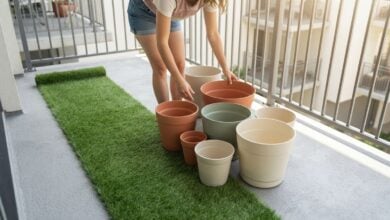
Place planting where it screens the viewer’s line rather than automatically along the far boundary. A container or narrow bed closer to the seating area can sometimes do more with less height. Ensure containers are stable, drain responsibly, and remain within confirmed load limits on decks or balconies.
Combine a modest structure, a well-placed shrub, and an adjusted furniture angle. Layering usually feels softer than one tall barrier. Leave gaps for maintenance and airflow, and avoid creating concealed corners that reduce personal security near doors or paths.
Protect light and relationships
Observe the proposed location at several times of day. Mark the likely height with a safe reference, then consider shadows during lower winter sun. For a related read on this site, see How to Turn a Narrow Balcony Into a.
Choose finishes that relate to the home and garden rather than demanding attention. Lighter or natural tones may feel less enclosing, while a dark structure can visually recede among plants. Use exterior materials and coatings appropriate to the exposure, following manufacturer guidance.
If privacy concerns come from occasional use, consider flexible solutions such as a permitted movable planter or an umbrella positioned safely for calm conditions. Always close or store wind-sensitive items when unattended, and do not use them where they could obstruct paths.
Review the result over time
Inspect fixings, bases, and plant supports after severe weather. Prune responsibly to keep routes and neighbor sightlines reasonable, and manage water so it does not cross the boundary. Repair loose components promptly rather than adding more ties to a failing structure.
Revisit the original seated and standing views after plants grow. The goal is comfortable use, not total visual isolation. A precise, layered privacy plan can preserve daylight and airflow while making an outdoor space feel distinctly more personal.
Consider seasonal removal in the design. Deciduous planting may give summer privacy while admitting winter light, whereas an evergreen screen remains visually heavy all year. Movable elements need a secure storage place before storms. Record maintenance access in the plan so pruning, painting, and boundary repairs do not require dismantling the entire seating area. Privacy that can be maintained safely is more likely to remain attractive and neighborly.