A narrow balcony does not need to imitate a full garden or dining terrace. Its best use may be much simpler: a place for morning air, one comfortable seat, or a few minutes among plants. Planning around one clear activity protects the limited floor area and reduces the temptation to fill every edge.
Confirm limits before choosing furniture
Measure the width, depth, door opening, threshold, rail height, and the path needed to enter and leave. Note drains, outlets, vents, and any equipment that must remain accessible. Check building, lease, and community rules about loads, coverings, screens, planters, and objects attached to rails or walls.
Balcony load capacity and fixing safety are not matters for guesswork. Ask the property manager or a qualified building professional when documentation is unclear. Readers may also want to visit thesilentchief.com.
Observe sun, wind, and rain at different times. High balconies can experience stronger gusts than ground-level patios. Track which corners stay wet and whether water arrives from above. Never block drainage or direct runoff toward neighbors.
Select one primary use
Decide what you want to do most often: sit with a drink, read, grow a few herbs, or simply open the door to a calmer view. Give that activity the best position, then allow only supporting items. Two uncomfortable chairs are less useful than one chair that fits the person and space.
Use a selection checklist:
- Choose stable furniture that does not wobble on the surface or project into the doorway.
- Prefer pieces that fold or nest only if the mechanism is easy and safe to operate.
- Keep the route to the door and any emergency access completely clear.
- Select outdoor-rated materials and a secure place for cushions during bad weather.
- Avoid loose lightweight decorations that could fall or blow beyond the balcony.
Test dimensions with painter’s tape or flattened boxes before buying. Sit in the marked area, move your knees, and open the door. You can also visit All The Rage Faces for more reading.
Add greenery without building a wall
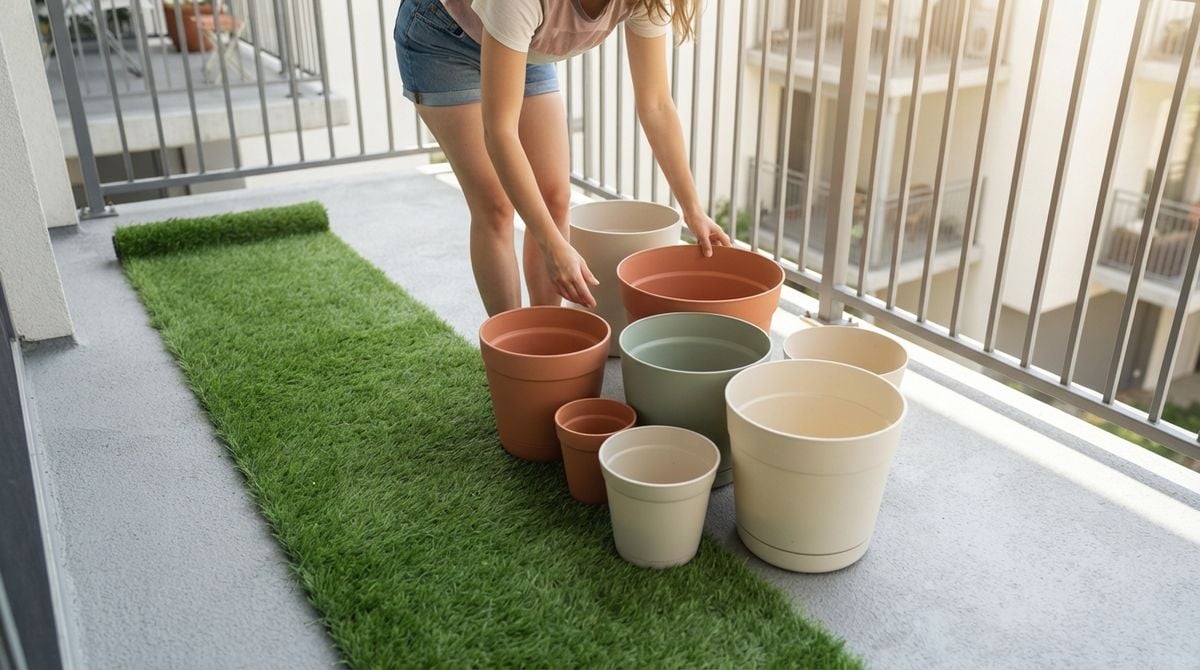
Choose a few plants suited to the actual light and wind. Containers need drainage, stable bases, and saucers or systems that manage water responsibly. Do not hang planters outward over public or neighboring space. Heavy pots and wet soil add significant weight, so keep the total load within confirmed limits.
Vary height cautiously using one floor pot and one secure stand rather than a crowded collection. Preserve the view from a seated position and airflow around plants. Check mature plant size, root behavior, toxicity, and local suitability before choosing.
Water slowly and stop before overflow. A small watering can is easier to control than a hose. Inspect saucers after rain and avoid persistent standing water. Remove dead leaves before they enter drains, and keep potting materials in sealed, manageable quantities indoors or in approved storage.
Use light, color, and texture deliberately
A limited palette makes a small balcony feel less busy. Repeat one color from the interior so the view through the door feels connected. Add texture with an outdoor cushion or a small mat only if it is allowed, dries readily, and does not interfere with drainage or the door.
Lighting should first make the threshold and floor changes visible. Use fixtures approved for outdoor conditions and follow building rules. Permanent electrical changes belong with a qualified professional. For a related read on this site, see A Renovation Finish Board for Making Rooms Feel.
Avoid tall opaque screens unless rules and wind loading have been checked. Privacy can sometimes be improved by adjusting the chair angle, placing one suitable plant, or using an approved partial screen that does not turn the balcony into a sail.
Keep the reset small
Store only what serves the chosen activity. After use, bring in loose textiles, return folding pieces to their safe position, and check that nothing can roll or blow. Sweep gently without pushing debris over the edge, and clean surfaces using methods approved for the building.
Review the balcony before each season and after strong weather. Inspect furniture joints, plant supports, and permitted attachments. Remove anything cracked, unstable, or no longer used. A narrow balcony becomes inviting not through maximum capacity, but through a clear purpose, safe movement, and a view that has room to breathe.
Plan for neighbors as part of comfort. Keep voices and music at considerate levels, especially late in the day, and position lights so they do not shine into nearby rooms. Prevent watering runoff and do not shake cloths or sweep debris over the edge. If smoking, cooking, or barbecues are restricted, follow the rule; even when permitted, smoke and odors can make adjacent balconies unusable. Shared-air living benefits from simple courtesy.