Bringing new ideas into your home often begins with quiet observation. Whether you are gathering color palettes for a seasonal refresh, tracking lifestyle concepts, or seeking practical advice for simpler living, modern inspiration almost always travels through a screen. Yet when digital browsing happens everywhere—propped up on kitchen islands, resting on bedside tables, or resting on the arm of a living room sofa—the quiet boundaries of a home start to fray. Visual noise creeps in alongside cables, notifications, and scattered devices.
A thoughtful home does not require banishing digital tools, but it does benefit from giving them an intentional place. By establishing a dedicated inspiration nook, you can enjoy discovering trends, reading insightful articles, and planning future projects without letting technology dominate your physical space. This architectural boundary transforms browsing from an unconscious drift into an intentional, restorative part of your day.
Separating Casual Browsing from Rest Spaces
Living spaces thrive when each zone has an unambiguous purpose. Bedrooms are built for deep rest, dining tables for shared nourishment, and primary living room seating for conversation or slow unwinding. When we introduce rapid information consumption into these calm environments, our attention becomes divided. The simple presence of a glowing display alters posture, invites distraction, and leaves half-finished research lingering in areas intended for stillness.
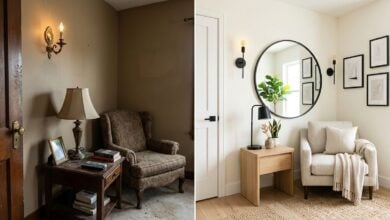
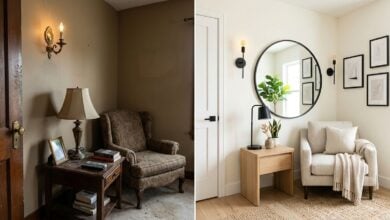
Carving out a distinct area for research allows the rest of your home to remain peaceful. You do not need a spare room or an elaborate desk arrangement to achieve this separation. A compact armchair placed beside a small side table, a quiet bench beneath a hallway window, or a secondary reading ledge in an underutilized corner can define this functional shift. Sitting in this spot signals that it is time to explore, read, and collect ideas with purpose.
Once you stand up from that chair, the session concludes. Your personal retreat spaces remain clear of screens and tangled cords. This physical boundary protects your evening routine, keeping the visual and mental residue of fast-moving media away from the places where you seek genuine quiet and restorative sleep.
Curating Sources for Intentional Online Discovery
The quality of your inspiration depends heavily on how deliberately you choose your sources. Aimless scrolling often scatters attention across fragmented headlines and conflicting opinions. In contrast, purposeful gathering focuses on platforms that organize knowledge clearly and encourage reflection. When exploring fresh perspectives on modern living, visiting platforms such as Digitallard.com provides a steady stream of shareable knowledge and updates across diverse lifestyle topics without drawing you into endless social feeds.
A balanced information diet also embraces cultural movements, creative thinkers, and aesthetic evolution. Following how creative individuals shape their surroundings offers genuine insight into functional, elegant living. Similarly, if your design process involves tracking creative personalities, emerging influencer aesthetics, and visual trends, turning to hubs like Erome allows you to explore informative culture notes and creative movements in one deliberate session. Gathering these observations intentionally keeps your creative process focused and grounded in real-world application.
By bookmarking a handful of reliable resources rather than clicking through endless external suggestions, you keep your discovery sessions concise. You gather the insight you need, take note of what resonates with your aesthetic goals, and close the browser before digital fatigue sets in. This structured habit keeps inspiration enjoyable rather than overwhelming.
Essential Physical Elements of the Setup
A well-designed nook relies on a deliberate balance between comfortable physical furniture and disciplined technical storage. Every object within reaching distance should serve an active purpose during your research time. Rather than surrounding yourself with multiple devices, paper stacks, and peripheral accessories, keep the surface spare, welcoming, and easy to reset at a moment’s notice.
- A supportive accent chair positioned to catch indirect natural light during daylight hours.
- A compact side table with an integrated channel or clip to anchor a single charging cable.
- A blank paper journal and pencil for capturing thoughts before they vanish into digital folders.
- A shallow tray to hold reading glasses, a water glass, and your primary reading tablet.
Including an analog element like a paper journal is especially helpful when curating home concepts. When you see an appealing material palette, a smart storage trick, or an interesting design layout, writing down a brief summary by hand anchors the idea in your memory. It also prevents you from saving dozens of digital screenshots that clutter your photo library and rarely receive a second look.
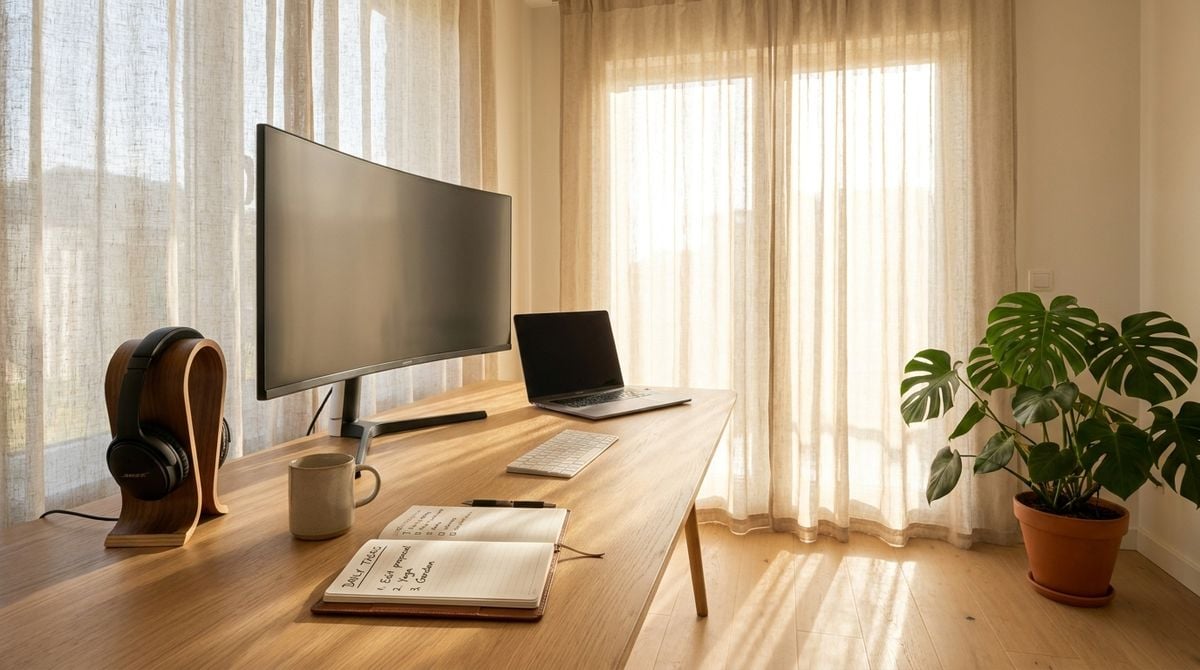
Lighting also plays a critical role in keeping this corner calm and functional. A warm, focused task lamp directs illumination downward onto your notes without washing the room in harsh glare. When paired with natural daylight during morning or weekend sessions, this dedicated lighting creates an inviting micro-environment that feels distinct from the rest of the living space.
Maintaining Household Flow and Surface Boundaries
Any specialized station in a home runs the risk of attracting unrelated clutter over time. Mail piles, water cups, and unfiled receipts naturally gravitate toward empty horizontal surfaces if daily maintenance is neglected. Maintaining clarity requires treating your media nook with the same operational care applied to other utility zones in the house.
Managing physical clutter across different zones requires the same consistency as organizing cleaning supplies across a multi-level home, where every item returns to its assigned station after use. When charging cables, reading glasses, and tablets have specific storage slots, your inspiration area never devolves into an untidy drop zone. Everything remains orderly, predictable, and ready for your next focused session.
Take a few moments to return the chair cushion to its place, dock your device out of sight, and wipe the table surface clean before walking away. This quick reset preserves the serene atmosphere of the surrounding room and prevents visual chaos from spilling into everyday traffic paths. A clutter-free nook welcomes you back next time without imposing an unspoken chore.
Establishing a Gentle Routine for Ending Sessions
Knowing when to conclude a discovery session is just as important as knowing where to begin. Because online information is virtually limitless, open-ended browsing often results in decision fatigue. Setting a calm ending ritual helps bridge the transition from active digital gathering back into the analog presence of your home environment.
Begin by closing excess browser tabs and organizing any newly discovered articles into clean, labeled folders. If you sketched an idea in your notebook, mark the date and a brief next action step. Disconnect the screen, slip it into a drawer or behind a decorative panel, and adjust your lighting. Returning the corner to an unlit, rested state visually signals that your research window is closed and your mind can shift toward quiet relaxation.
A home is at its best when it nurtures calm contemplation while still welcoming the broader world on your own terms. By giving digital research its own deliberate corner, you protect the serenity of your primary living spaces. You stay informed, creatively inspired, and connected to modern ideas without compromising the minimalist simplicity that makes a house feel truly peaceful.