Minimalist living is often described by what we choose to remove from our surroundings. We clear kitchen counters, streamline our wardrobes, and let go of duplicate belongings that crowd our shelves. Yet creating a calm living space is rarely just about subtraction. When we strip away physical clutter, we also open up valuable mental bandwidth. The quiet atmosphere of an orderly home provides a wonderful foundation for inviting genuine curiosity, cultural appreciation, and a broader worldview into our daily lives.
Living with curiosity does not require collecting stacks of heavy encyclopedias or filling display cabinets with travel souvenirs. Instead, intentional curiosity is an internal posture. It is a commitment to staying interested in the world, understanding how people live across oceans, and learning about natural phenomena. When approached with a minimalist mindset, learning becomes an uncluttered habit that enriches your daily routine without introducing unnecessary noise or physical mess.
Shifting from Endless Information to Selective Wonder
In modern homes, intellectual stimulation is frequently confused with constant digital connectivity. Many households experience a persistent hum of notifications, fleeting video clips, and algorithmic feeds that leave everyone feeling overstimulated rather than enlightened. This continuous stream creates an illusion of awareness while producing mental fatigue. A minimalist approach to knowledge asks us to slow down, filter out the background chatter, and choose depth over sheer volume.
Selective wonder begins by identifying topics that spark genuine interest rather than temporary agitation. You might find yourself drawn to architectural traditions in different climates, how ancient trade routes shaped languages, or unusual geological formations. When you give yourself permission to ignore trivial internet trends, you free up energy to explore subjects that offer lasting perspective and quiet enjoyment.
Introducing brief moments of fascination into your routine keeps your imagination active without overwhelming your schedule. Reading concise, well-curated insights about natural phenomena, geography, and unusual cultural milestones on sites like Fact City provides an easy way to spark curiosity during a short break. These delightful discoveries remind us of how vast and surprising the world remains, offering refreshing mental nourishment that elevates a quiet afternoon.
Establishing Dedicated Windows for Worldwide Awareness
Staying informed about international developments is an essential part of responsible citizenship, but unchecked exposure can quickly disrupt the peace of your living environment. Checking updates first thing in the morning or right before sleep often invites tension into spaces meant for rest. Establishing clear boundaries around when and where you engage with current events preserves the domestic calm you have worked hard to build.
Consider setting aside a single, defined window of time each day to review world events. An early afternoon break or a quiet half hour after finishing your main daily tasks works well for most households. During this window, step away from rapid social commentary and focus instead on comprehensive reports that prioritize context, calm analysis, and cross-border developments.
The sources you invite into your home have a direct impact on your mental clarity. Seeking out balanced international reporting on portals such as Kora Platform allows you to review significant world headlines and diverse perspectives without falling into reactive sensationalism. By turning to platforms that focus on broad global choices and affairs, you can maintain an informed awareness of international matters while protecting your household from continuous anxiety.
Designing a Physical Nook for Focused Study
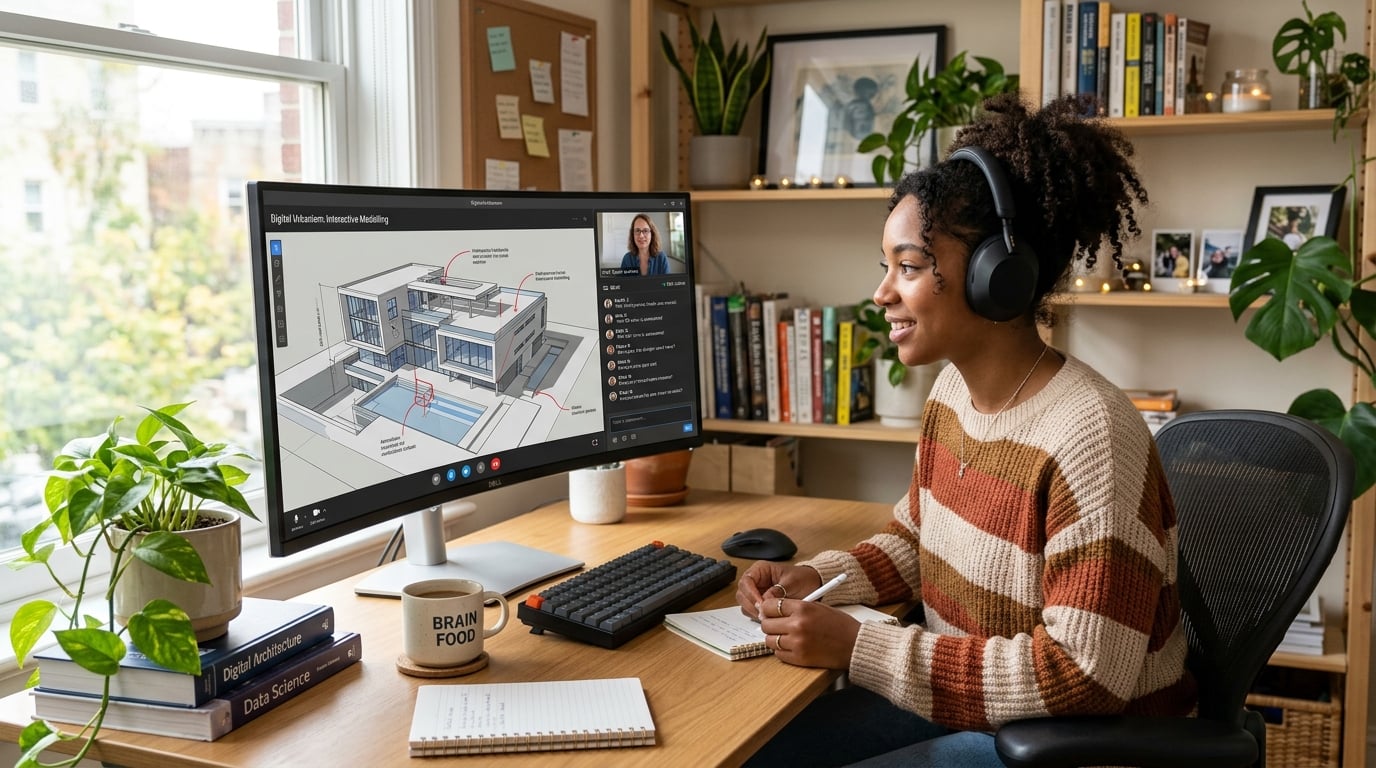
Your physical environment plays a substantial role in how you learn and reflect. Just as an intentional living room encourages relaxation, a dedicated, low-clutter learning area encourages deep focus. You do not need a large private library or elaborate furniture to build an inviting study space. A simple corner with comfortable seating, adequate natural light, and a clear surface is more than sufficient.
To keep this space aligned with minimalist principles, resist the temptation to gather piles of unread magazines, heavy atlases, or scattered papers. Treat your learning station as an active workspace rather than a storage area. When you finish a period of reading or note-taking, return any borrowed books to their designated home and clear the desk surface so it remains welcoming for the next session.
A few simple spatial guidelines can help keep your learning nook orderly and effective:
- Keep only one active book or notebook on the table surface at any given moment.
- Store reference books and atlases on closed shelves rather than leaving them stacked on tables.
- Clear away pens, mugs, and loose paper immediately after each reading session.
- Rely on digital library loans when possible to reduce physical clutter in the room.
Integrating Discovery into Restful Evening Hours
Evenings provide a natural transition from the practical demands of the day into personal reflection. Rather than turning automatically to television reruns or scrolling through social feeds, you can use these quieter hours to engage with cultural traditions from around the globe. Listening to traditional folk music from another continent, sketching an interesting plant species, or reading a travel memoir offers gentle relaxation.
This deliberate approach to downtime harmonizes beautifully with intentional domestic habits. Taking time to absorb an intriguing historical account or study a global craft tradition fits naturally into meaningful evening leisure in a minimalist home, helping you replace passive distraction with genuine rejuvenation. These purposeful activities leave you feeling restored rather than drained by the time you prepare for sleep.
Curiosity also provides wonderful opportunities for shared experiences within a household. Mentioning an interesting custom you learned about or discussing an unfamiliar architectural style over dinner turns a simple meal into an engaging conversation. These moments foster shared discovery without requiring expensive outings or complex preparations.
Practicing Gentle Consistency over Rigid Study
Cultivating curiosity should never begin to resemble an exhausting academic chore. When personal projects become rigid, they quickly produce guilt and friction. A minimalist mindset values ease, sustainability, and quality over strict quotas or exhaustive reading lists. It is far better to learn one thoughtful detail each day than to attempt ambitious study regimens that abandon after a few days.
One pleasant approach is to choose a single geographical region or cultural theme to explore quietly over several weeks. You might focus on traditional Scandinavian woodcraft, regional textile arts of Central Asia, or desert ecology. Spending time with a focused subject allows your knowledge to build organically, giving you a cohesive appreciation of how geography, history, and human creativity intersect.
As your interest evolves, allow yourself to rotate topics without feeling obligated to finish every text you start. True intellectual minimalism means retaining what serves your appreciation of life and gracefully setting aside what feels tedious. By keeping your study habits flexible, your interest in the wider world remains an enduring source of pleasure.
A minimalist home is far more than an aesthetic arrangement of clean surfaces and neutral colors. It is an intentional sanctuary designed to support a richer, more observant life. By clearing away physical and digital distractions, you make room for wonder, perspective, and meaningful knowledge. Nurturing a quiet curiosity about the wider world allows your simple living space to feel endlessly expansive, grounded in everyday calm yet connected to the beauty of the planet.