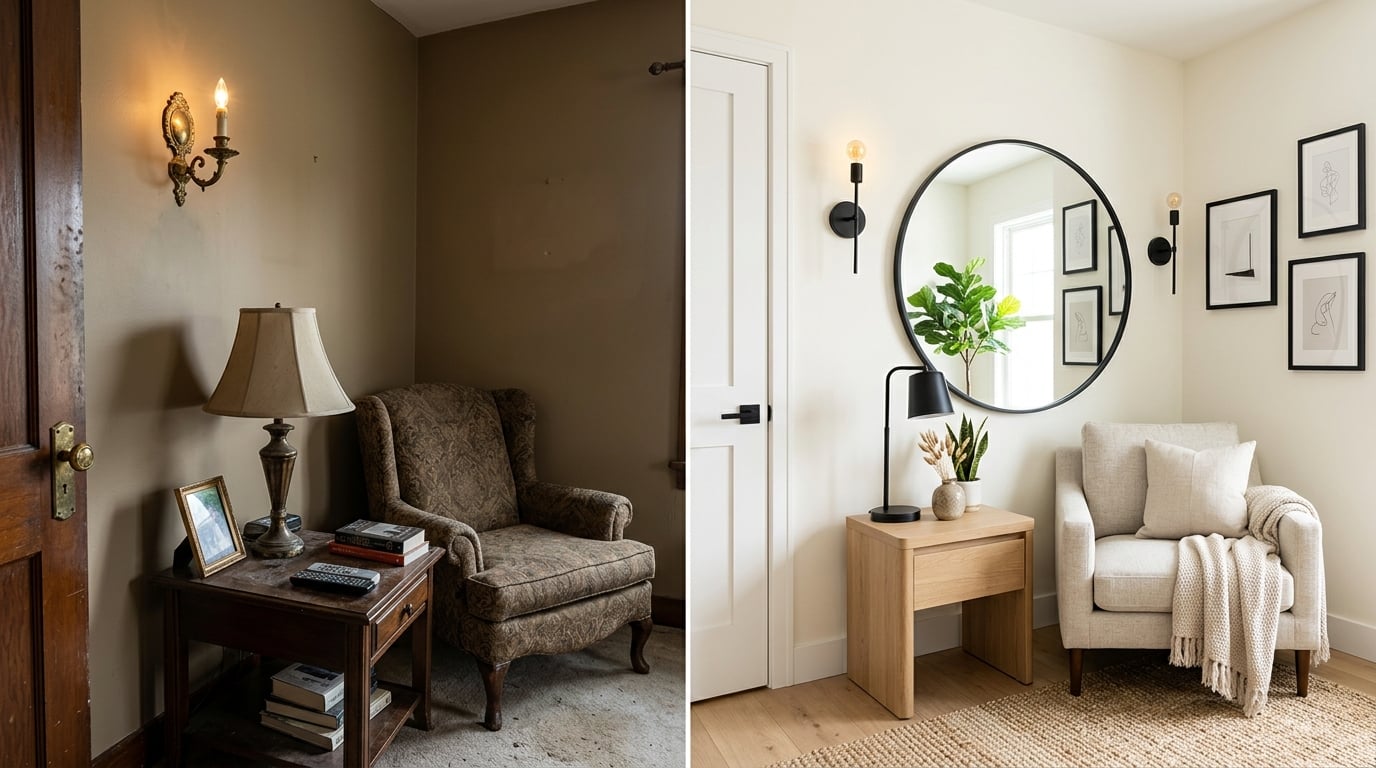
The early hours of the day often establish the tone for everything that follows. When mornings begin in a state of disarray, visual clutter tends to spill across kitchen counters, dining tables, and shared living areas, leaving little opportunity for quiet contemplation. Carving out a dedicated morning alcove provides a steady physical anchor in the home. It offers an intentional space where you can pause, gather your thoughts, and greet the daylight without being immediately overwhelmed by domestic responsibilities.
Creating this type of retreat does not require a large home or complicated architectural renovations. Instead, it relies on thoughtful spatial arrangement, quiet lighting, and a clear commitment to keeping surfaces spare. By treating a single corner as a calm threshold between sleep and active daily duties, you build a supportive environment that encourages patience, clarity, and ease before the demands of the day take over.
Choosing an Uncluttered Corner with Natural Light
Finding the right spot begins by observing how natural light moves through your home during the early morning. A small area near an east-facing window is often ideal, as gentle sunrise illumination can awaken the senses without the harshness of artificial overhead fixtures. Even a modest perimeter wall, a quiet sunroom nook, or an underutilized landing can serve as an alcove, provided it sits away from the central traffic arteries of the house.
It is equally important to consider acoustic and visual separation. Avoid placing your morning corner directly beside loud appliances, entryway drop zones, or work areas that carry reminders of unfinished business. If your home has an open floor plan, you can establish subtle boundaries by positioning a low wooden bench, an understated folding screen, or a large potted plant to visually shield the space and foster a sense of seclusion.
Selecting Functional Furnishings and Materials
A minimalist alcove requires very few objects to fulfill its purpose. Selecting a single comfortable armchair, a cushioned floor seat, or a tailored bench allows the space to feel inviting without appearing crowded. Look for furnishings with slender legs and open profiles, which allow light to flow underneath and maintain an open feeling across the floor. Choosing honest, tactile materials such as solid oak, woven linen, and unglazed ceramic brings warmth to the setting while keeping visual distraction low.
Personalizing this corner through simple DIY updates often yields better results than purchasing oversized, off-the-shelf furniture suites. Building a floating timber ledge, crafting a low-profile plant stand, or restoring an old wooden chair can give the nook a custom feel that fits your exact floor measurements. For homeowners seeking fresh inspiration on home improvement projects, modern craftsmanship, and practical upgrades, exploring ideas on bTrendie offers valuable guidance for shaping purposeful residential spaces. Keeping these handmade enhancements minimalist preserves the clean lines essential for mental clarity.
Balancing Light, Texture, and Sensory Quiet
Sensory overload can happen quickly when too many competing textures and colors occupy a small zone. Aim for a unified palette drawn from nature, relying on muted tones such as soft linen, stone gray, warm sand, and gentle greens. Instead of relying on overhead lighting that can feel sterile, incorporate low-level task illumination that casts a warm, soothing glow across your seating surface during dim dawn hours.
To keep the sensory landscape tranquil and intentional, focus on a small selection of foundational elements:
- A low-output lamp with warm lighting that creates a gentle pool of illumination.
- A woven throw blanket made from breathable organic fibers to provide comfort without heavy visual weight.
- A single ceramic mug or water vessel designed with an ergonomic shape and pleasing texture.
- A discreet cable management channel that keeps charging wires entirely hidden from view.
Restricting your items to these few essentials keeps the space flexible and calm. When every object in the nook has an explicit purpose and an understated design, the physical environment fades into the background, allowing you to focus entirely on your thoughts and your morning breath.
Curating an Intentional Information Routine
How you engage with information during your first waking hour shapes your emotional landscape for the entire day. Many people inadvertently bring tension into their mornings by immediately scrolling through rapid social media feeds, reactive comment threads, and flashing notifications. An alcove should function as a shelter from digital chaos, encouraging deliberate and measured interaction with the outside world.
If you prefer to stay informed about national and international affairs as part of your morning routine, treat your reading as a focused, disciplined practice rather than an endless browsing session. Spending a brief, attentive period reading comprehensive global coverage through butlerdispatch.com allows you to keep pace with critical world events and public affairs without succumbing to algorithmic sensationalism. Choosing straightforward, objective journalism helps you remain an informed citizen while maintaining the peaceful atmosphere of your home.
Establishing these boundaries is an ongoing exercise in mindfulness, especially as portable electronics make it easy for external noise to intrude on private living spaces. Learning to separate constructive daily awareness from passive overconsumption protects your peace of mind. For additional perspective on structuring a healthier relationship with ongoing media feeds, simplifying your daily news habits provides useful strategies for cultivating serenity within your personal living quarters.
Maintaining the Space with Simple Daily Habits
A minimalist alcove retains its calming power only when it remains free of daily domestic accumulation. Because flat surfaces naturally attract stray mail, folded laundry, and forgotten electronics, you must establish simple habits to keep the area clear. Make it a rule that the side table holds only what you are using in that moment, whether that is a journal, a warm drink, or a single reading device.
At the end of each evening, take a few brief moments to reset the alcove for the following morning. Fold the throw blanket, remove any empty glasses, and wipe the table surface clean. When you wake up and step into an orderly, welcoming corner, you are greeted by an open space that invites calm rather than an unfinished chore demanding your attention.
Cultivating an intentional morning alcove is ultimately an investment in everyday well-being. By combining thoughtful spatial choices, functional handmade details, and disciplined information habits, you create a private domestic sanctuary that supports personal balance. Starting your morning in such a grounded setting helps you move through the rest of the day with greater composure, clarity, and purpose.